
Latitude
55° 39’ 12.1” NLongitude
12° 4’ 34.2” EDescription
Traditional town in the south of Roskilde Fjord with a museum harbour and two marinas.
NV Cruising Guide
Navigation
The approach to the harbour is only possible during the day. The mighty Roskilde Cathedral is a landmark that cannot be overlooked.
Berths
The harbours are very busy with local yachts. However, guests can find berthing possibilities in free boxes or at the bridgehead (arrangement with the harbour master). The outer piers of the marina, with their high, wooden sheet pile walls, are only suitable for larger yachts, otherwise there are difficulties in getting ashore.
Anchorage:
An acceptable anchorage in calm weather can be found east of the
harbour in front of the Viking Museum in a water depth of 2-3
m.
Surroundings
Sanitary facilities (in the clubhouse), a crane and a slip are available in the cosy harbour. Limited supplies are available at the ship chandlery near the harbour. An uphill park provides access to the centre of Roskilde, 1 km away.
NV Land Guide
The picturesque location by the fjord, the mighty cathedral and the music festival of Roskilde probably come to mind for almost everyone who is asked about Denmark's old capital. Pop greats such as the roaring rock bard Joe Cocker have sung at the summer open-air festival at Bygården. The approach of the city with the musical background of this primordial voice would of course be the optimal listening and viewing experience in one. But you won't be lucky enough to do that, so you'll have to make do with the imposing sight of the approaching cathedral.
Around 1000 years ago, you wouldn't have been able to get this close to the city without a couple of wooden warships with curved stems already appearing in your wake. One might have considered one's fate sealed at the very sight of the Viking ship hall against the green silhouette of the shore. And one would not have had to worry much about the unimaginative architecture of this building. In the large hall, the ships of those who once lay in wait for unwelcome visitors in the side bays and ensured that no one succeeded in conquering the city from the water are on display. Even the Swedes, 500 years later, only managed to do so by land. For the population it did not matter from which side the enemy managed to take the city. The result would probably have been the same: an almost completely destroyed city.
The cathedral survived the Swedish destructive fury and still has the special reputation of being the preferred burial place of the royal family. Since the 15th century, the church has been constantly expanded because many a Danish ruler did not want to lie in a burial chamber with his predecessor. Four large burial chapels have since been added which, together with the church choir, contain the graves of 20 kings and 17 queens.
The first chapel the visitor enters is the Chapel of Christian I. It was built around 1460 and, according to the king's will, was to be the meeting place of an order of knights he had founded. Both Christian I himself (1426 -1481) and Queen Dorothea (1430-1496) were buried under the floor; two pompous stones from more recent times mark the graves. Apparently the royal couple regarded the chapel itself as a tomb.
Today, two massive monuments in Dutch Renaissance style give the space its imprint in the manner of classical temples designed and guarded by satellites in Roman costume.
The oldest tomb was built to commemorate Christian III. (1503-1559) and his wife Dorothea, although only alabaster effigies of the king adorn the tomb. On the lid he rests in full armour, on the canopy he kneels in prayer. This tomb, made by Cornelius Floris in 1575, is considered one of the most accomplished works of the Renaissance in Denmark.
Again, opposite Christian III's monument, stands that of his son Frederik II. (1534-1588) and his wife Sofie (1557-1631). Reliefs here depict scenes from the king's Dithmarschen campaign in 1559 and from the Northern War (1563-70). Soldiers are seen advancing to battle in the typical battle formation of the time. The two tombs are empty, as both Christian III and Frederik II and their consorts rest in low, underground crypts. The frescoes and the trombone-blowing angels in the chapel still give a vivid impression of the appearance of a church room in the late Middle Ages.
To describe in detail the other tombs would go too far at this point. We recommend that you buy a booklet at the tourist office that tells you all you need to know about the tombs, the magnificent altarpiece, the tower chapel and the royal gallery.
King Blauzahn built a wooden church in Roskilde around 960. King Harald and his successor King Tvæskæg opened the long series of funeral services here, even before the powerful Bishop Absalon ordered the building of a cathedral in 1158. Roskilde was one of the richest ecclesiastical centres of the Middle Ages. In addition to the churches, monasteries and convents, the clergy alone owned 30 large manors - but only until the Reformation, after which the riches and absolute glory of clerical life were over. The seat of the bishop, the palace at the cathedral, has remained for the church. It is also the visiting quarters of the royal family.
The second outstanding sight next to the cathedral is the aforementioned Viking Ship Hall near the harbour, where five almost 1000-year-old Viking ships are on display. The five ships were once used to block one of the shipping channels at Skuldelev, 20 kilometres north of Roskilde (see also there). Filled with large stones, they were sunk across the fairway. It was possible to salvage the remains of the boats in 1962, and after preservation of the wood and classification of the parts, it was determined that they were five different types of boats: a fishing and ferry boat, an ocean-going Greenland boat, a merchant boat, a small warship for 24 rowers, and a longship. Of the latter, with its enormous length of 28 metres, unfortunately the least has been preserved (about 25 percent). About three-quarters of the original timbers of the remaining vessels have been salvaged. All the boats have the slender hull, the clinker construction and the shallow draft in common, so they were perfectly suited for the shallow waters of the fjord.
In the museum's film hall, there are also regular presentations in German about the excavation work - usefully supplemented by a permanent exhibition about the Viking Age. Replicas of the Viking boats lie on moorings outside the museum.
That Roskilde was an important Viking seafaring town is borne out by the ship finds. Why else would Knut the Great have made it an episcopal see in 1020. Copenhagen was then still an insignificant fishing town. The centre of power was in Roskilde.
The archaeologists' excavations in the city park extending to the cathedral hill confirm Adam von Bremen's account, who described Roskilde around 1070 as the largest city in Zealand and a stronghold of trade. There are traces of houses from the 11th century. Traces of houses from the 11th century, clay soils, pottery shards and remains of fireplaces have come to light. In 1168 King Waldemar gave the town to his favourite, Bishop Absalon (after the king had previously ensured that Absalon was elected bishop). The gift also included Havn Castle, then Copenhagen. Absalon created a trade axis between Roskilde and Copenhagen, which helped the economic life in both places to flourish, which only ended with the Reformation. Roskilde was by then undoubtedly the spiritual centre of the realm, with a disproportionate influence of the church, which at the zenith of its power owned one-sixth of all Zealand farms.
The everyday life, long before the episcopal glory days of that time, is relived by "leisure ancestors" ten kilometres southwest of Roskilde - at the must-see Lejre Historical-Archaeological Research Centre. Here, volunteer prehistoric families live in an Iron Age village and let you look over their shoulders. There is also an ancient trail, a sacrificial bog, an ancient farmland, a cultic dance labyrinth and a giant stone tomb from the Stone Age. In a weaving room, visitors try to copy the production of archaeological textile finds, and in a pottery, ceramics are fired in the prehistoric way. Firewood is lit in a "fire valley" and hollowed-out dugout canoes are sailed on the valley's lake.
A few farmhouses do not fit into the chronological context. They serve mainly as a separate attempt to recreate the daily life of small farmers and village artisans 150 years ago.
The focus, however, is on life in the Iron Age village, where the austere conditions of over 2000 years ago dominate the scene. Enclosed by a row of palisades, reconstructions of four longhouses, two smaller houses, three shelters and four fireplaces as well as the building site of a chieftain's court stand here.
Sleep on skins, the flour for the groats or the daily bread is sifted in a stone trough. The inhabitants of the settlement draw water from the pond, collect firewood in the forest and sew their clothes with pointed animal bones. Many of the "Stone Age amateurs" describe their excursion into this prehistoric world as a search for themselves. Film and photo presentations near the entrance to the centre explain the benefits archaeology derives from the experiments, for example in iron working in the Lejre forge. Valuable information for archaeology is also provided by the cultivation of plants according to prehistoric methods, although agriculture was still in its infancy in the times of hunter-gatherers. In any case, Lejre is one of the outstanding sights on Zealand. It is quickly reached from Roskilde by train and bus.
In addition to the three described, there is of course a whole range of other sights at and in the former capital. You can choose between the Tool Museum in Ringstedgade, the City Museum in St. Olsgade 18 and the Gambling Chamber in St. Hans Gade near the harbour. The Gambling Chamber houses the largest collection of games and playing cards in Scandinavia, while the City Museum exhibits traditional costumes and finds from the Middle Ages. A historical general store and children's toys from grandma's time can also be seen there, while the aforementioned palace by the cathedral holds a collection of furniture and paintings.
Also worth noting is the large number of springs in the city area, including St. Gertrude's spring in Frederiksborgvej 23a (at the entrance to the city park) and the Magdekilde spring in Magdekildevej.
Outside Roskilde, the Ledreborg Castle (near Lejre), a large baroque complex with an English-French park, and Roskilde Sommerland, a large-scale amusement park with a narrow-gauge railway, are also worth mentioning. The village of Gammel Lejre and a stone settlement not far from this old settlement are also worth a visit. There is therefore a wide choice of places to visit, not forgetting the old settlement of St. Jørgensberg, immediately southeast of the harbour. It was once a small village with farms around the medieval church of St. Jürgen and is still a gem with lovingly maintained, mostly whitewashed thatched cottages. Where the picturesque courtyards surround the Romanesque church today, a hospital stood during the Middle Ages, where the "lepers" were housed.
Into the town centre, the footpath through the park south of the harbour should be chosen. On the way, you will pass a glassblowing workshop where the art of glassblowing is demonstrated.
Marina Information
| Max Depth | 3 m |
Contact
| Phone | +45 2966 3234 |
| Please enable Javascript to read | |
| Website | http://www.roskildehavn.dk |
Surroundings

Electricity

Water

Toilet

Shower

Restaurant

Imbiss

Crane

Atm

Internet

Fuel

Grocery

Boatyard

Ramp

Public Transport

Bikerental

Garbage
Comments


You can add comments with the NV Charts App (Windows - iOS - Android - Mac OSX).
You can download the current version at nvcharts.com/app.
Buy nv charts covering this place Clicking one of the products will open the nv charts shop.
-
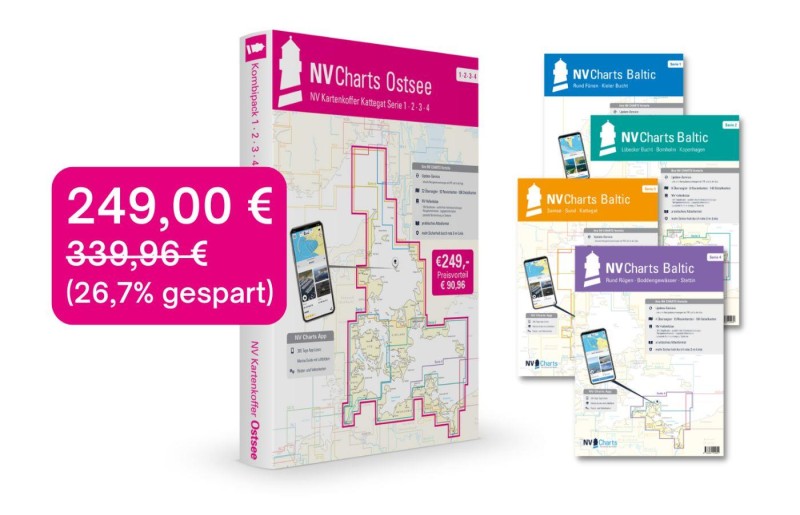 NV Charts Kartenkoffer Ostsee Serie 1, 2, 3, 4 NV Verlag / NV Charts249,00 € incl. VAT, excl. Shipping
 -
 NV Charts Nordsee DE13 - Ostfriesland, Borkum bis Helgoland & Ems NV Verlag / NV Charts64,99 € incl. VAT, excl. Shipping
 -
 NV Charts Nederland NL3 - IJsselmeer, Markermeer en Randmeeren NV Verlag / NV Charts64,99 € incl. VAT, excl. Shipping
 -
 NV Charts Nordsee DE12 - Weser, Bremen bis Helgoland & Jade NV Verlag / NV Charts64,99 € incl. VAT, excl. Shipping
 -
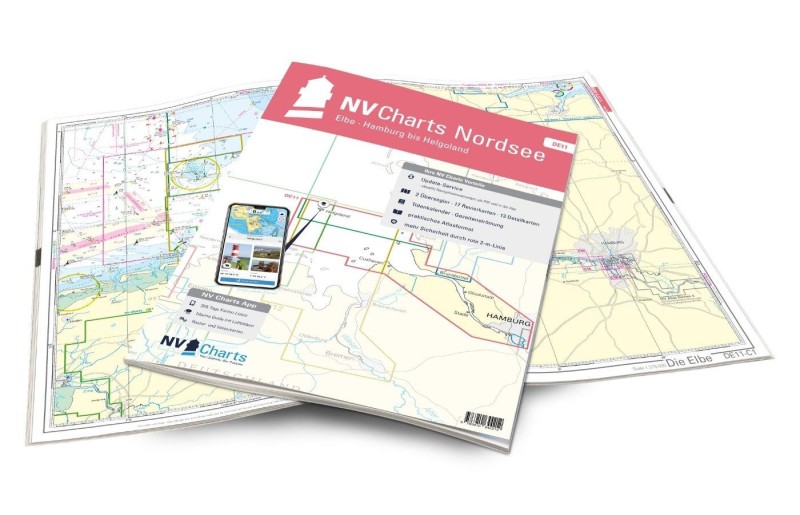 NV Charts Nordsee DE11 - Elbe, Hamburg bis Helgoland NV Verlag / NV Charts64,99 € incl. VAT, excl. Shipping
 -
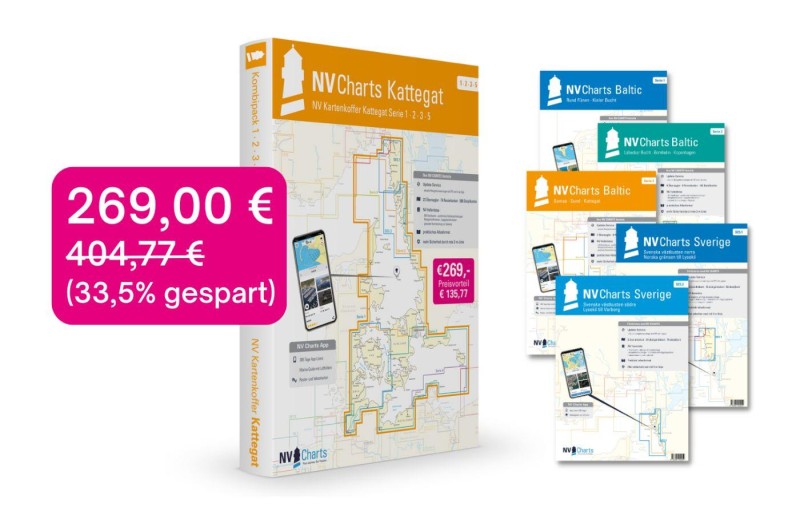 NV Atlas Kartenkoffer Kattegat Serie 1, 2, 3, 5.1, 5.2 NV Verlag / NV Charts269,00 € incl. VAT, excl. Shipping
 -
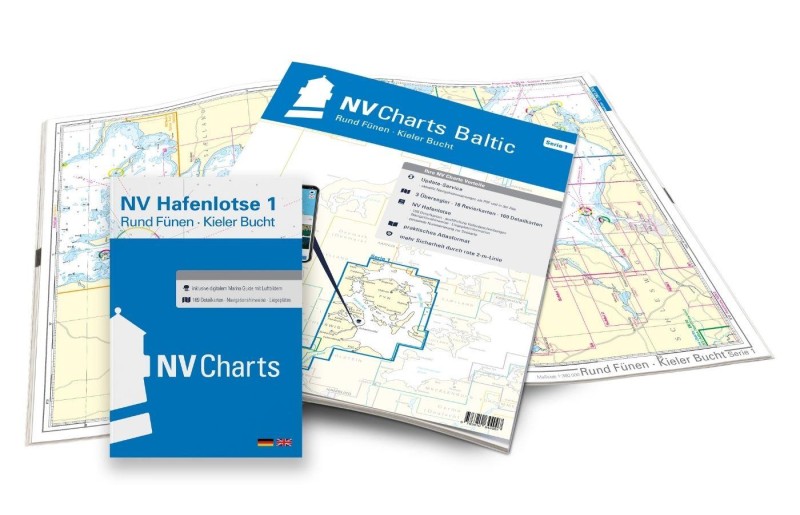 NV Charts Baltic Serie 1, Rund Fünen-Kieler Bucht NV Verlag / NV Charts94,99 € incl. VAT, excl. Shipping
 -
-
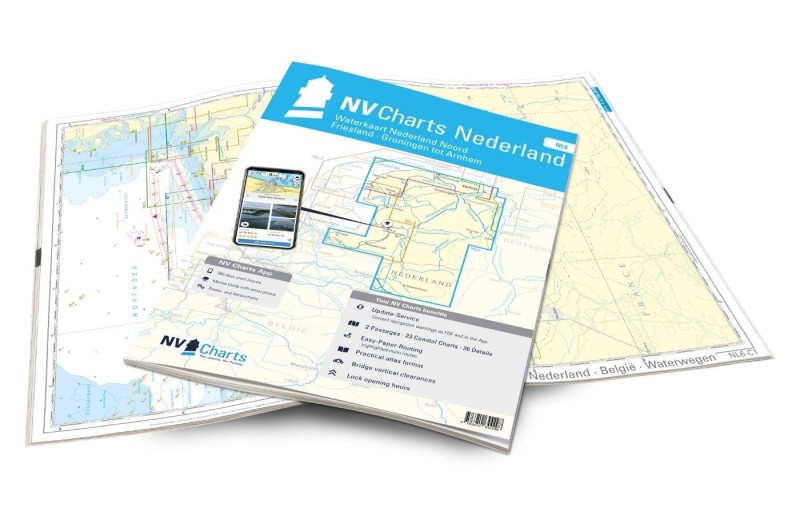 NV Charts Nederland NL6 - Waterkaart Nederland Noord - Friesland - Groningen tot Arnhem NV Verlag / NV Charts64,99 € incl. VAT, excl. Shipping
 -
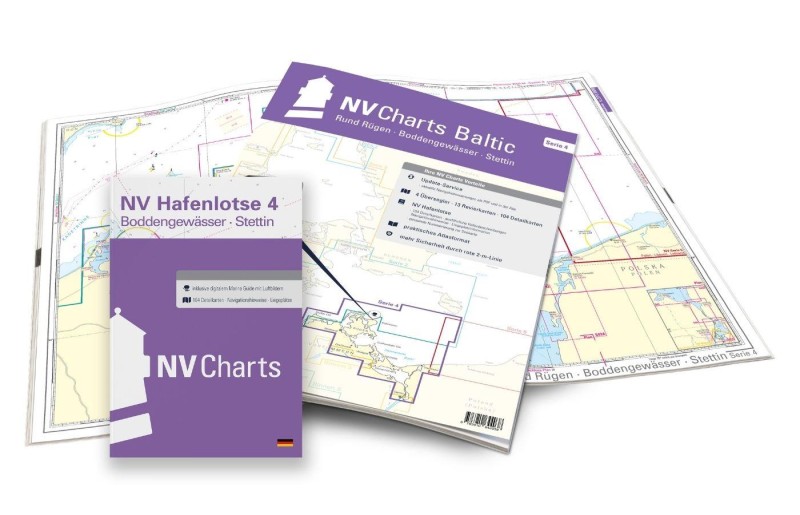 NV Charts Baltic Serie 4 Rund Rügen - Boddengewässer - Stettin NV Verlag / NV Charts74,99 € incl. VAT, excl. Shipping
 -
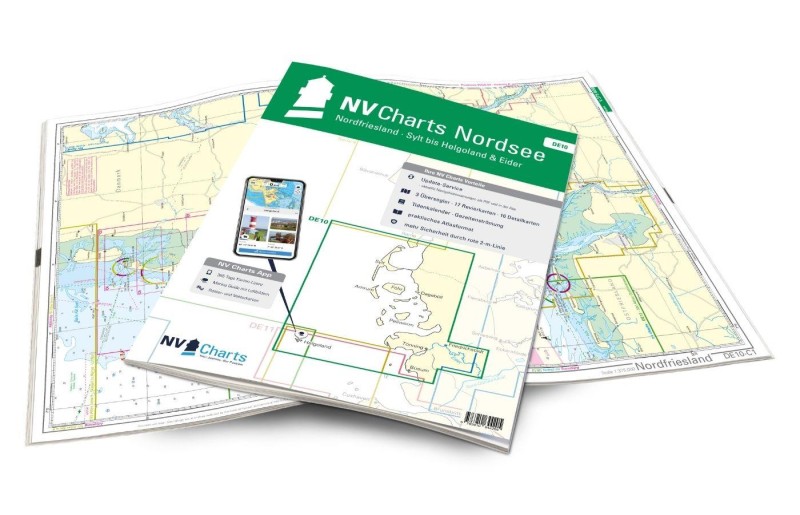 NV Atlas Nordsee DE10 - Nordfriesland, Sylt bis Helgoland & Eider NV Verlag / NV Charts64,99 € incl. VAT, excl. Shipping
 -
-
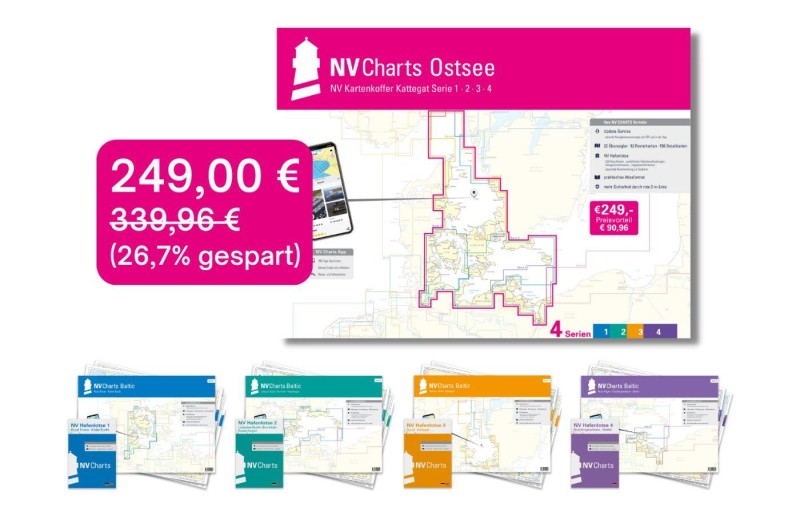 NV Charts Baltic Plano Kartenkoffer Ostsee Serie 1, 2, 3, 4 NV Verlag / NV Charts249,00 € incl. VAT, excl. Shipping
 -
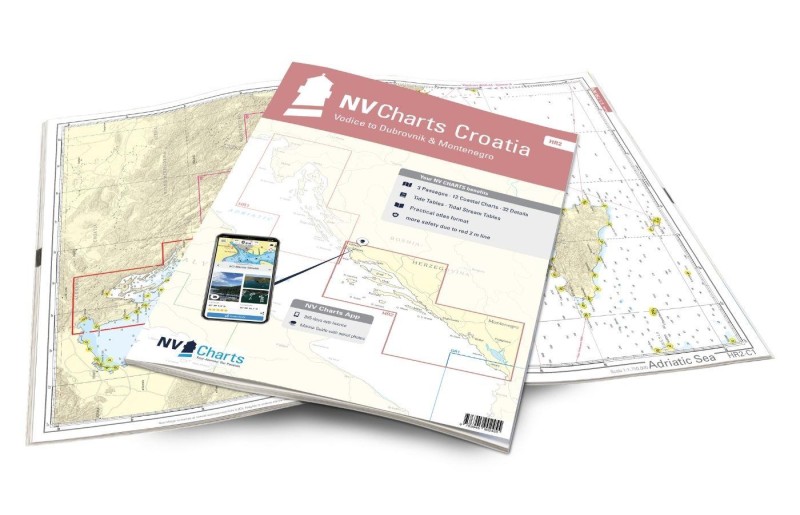 NV Atlas Croatia HR2 - Vodice to Dubrovnik & Montenegro NV Verlag / NV Charts64,99 € incl. VAT, excl. Shipping
 -
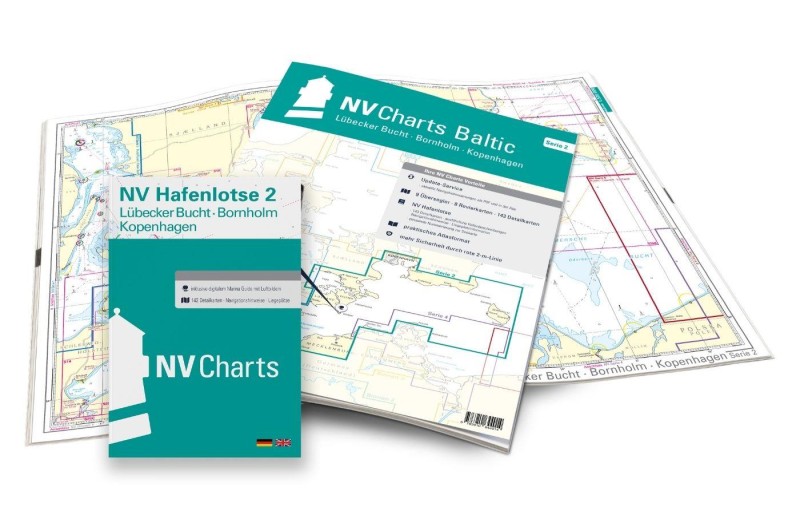 NV Charts Baltic Serie 2 Lübecker Bucht - Bornholm - Kopenhagen NV Verlag / NV Charts94,99 € incl. VAT, excl. Shipping
 -
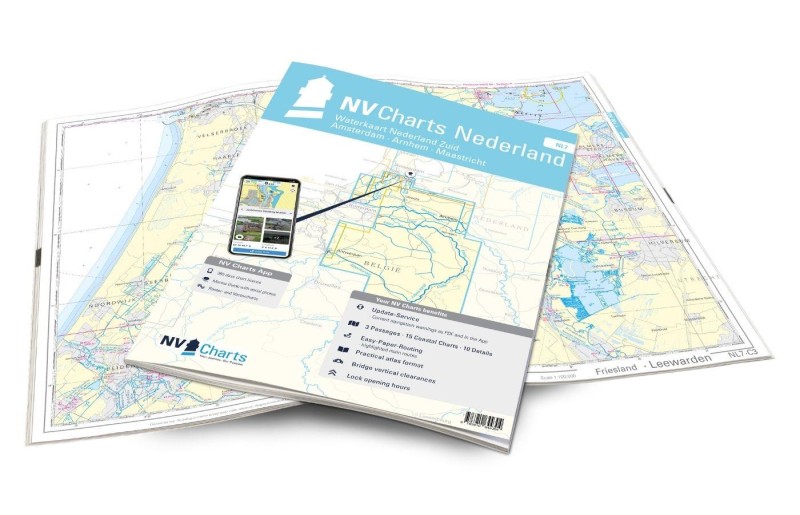 NV Charts Nederland NL7 - Waterkaart Nederland Zuid - Amsterdam - Arnhem - Maastricht NV Verlag / NV Charts64,99 € incl. VAT, excl. Shipping
 -
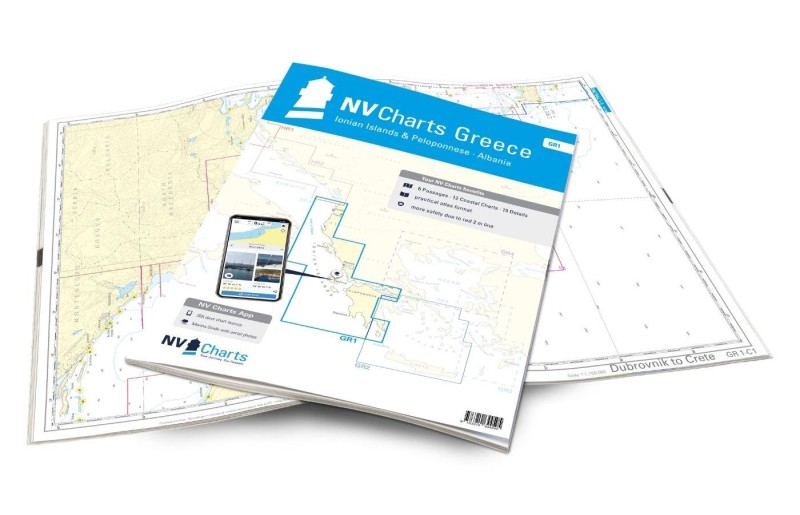 NV Charts Greece GR1 - Griechenland Ionische Inseln & Peloponnes - Albanien NV Verlag / NV Charts74,99 € incl. VAT, excl. Shipping
 -
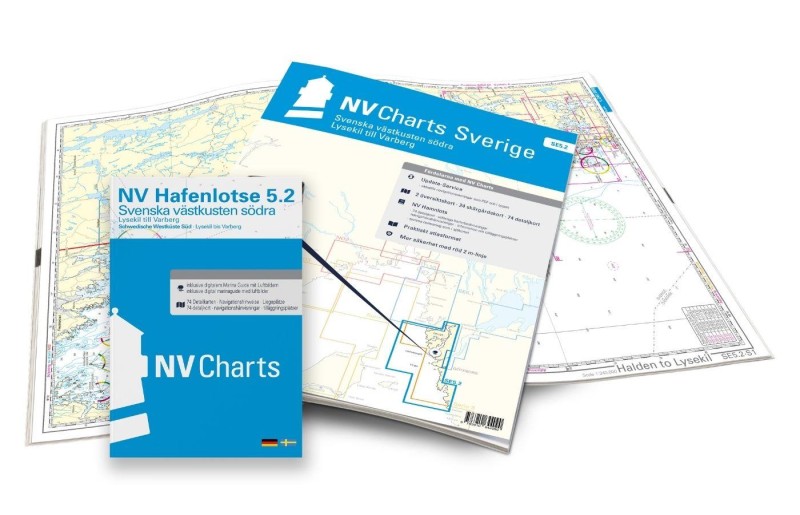 NV Charts Sverige SE 5.2 - Svenska Västkusten Södra NV Verlag / NV Charts69,90 € incl. VAT, excl. Shipping
 -
 NV Plano Baltic Serie 1, Rund Fünen-Kieler Bucht NV Verlag / NV Charts94,99 € incl. VAT, excl. Shipping
 -
 NV Charts Pilot 2 North Sea - Falmouth to Kristiansand - Inverness NV Verlag / NV Charts24,99 € incl. VAT, excl. Shipping
 -
 NV NV Charts Greece GR2 - Griechenland Kykladen bis Kreta & Athen NV Verlag / NV Charts74,99 € incl. VAT, excl. Shipping
 -
 NV Charts Nederland NL1 - Oostende naar Borkum NV Verlag / NV Charts64,99 € incl. VAT, excl. Shipping
 -
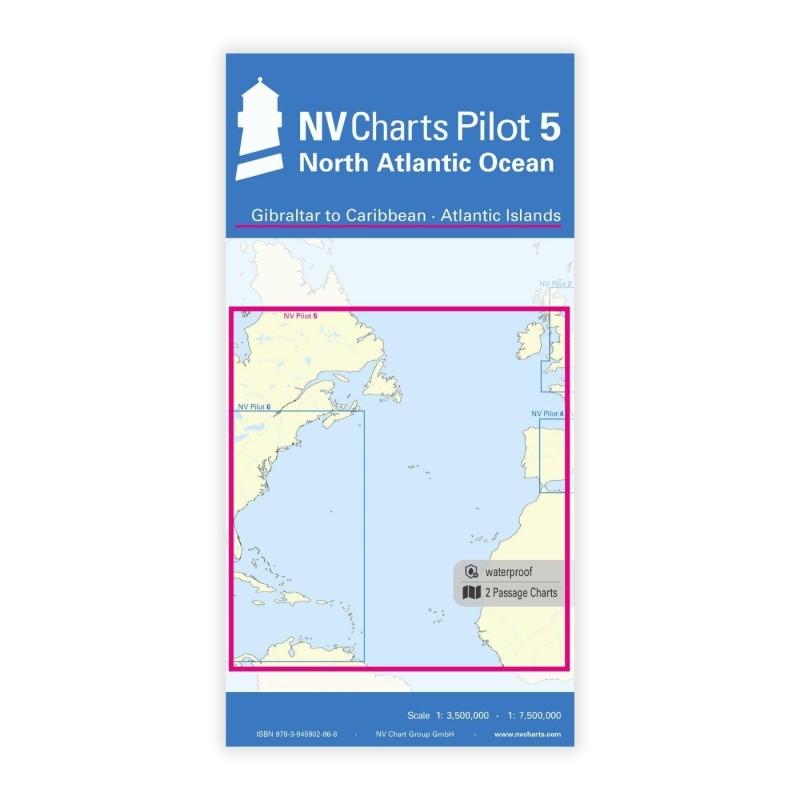 NV Charts Pilot 5 North Atlantic Ocean - Gibraltar to Caribbean, Atlantic Islands NV Verlag / NV Charts24,99 € incl. VAT, excl. Shipping
 -
-
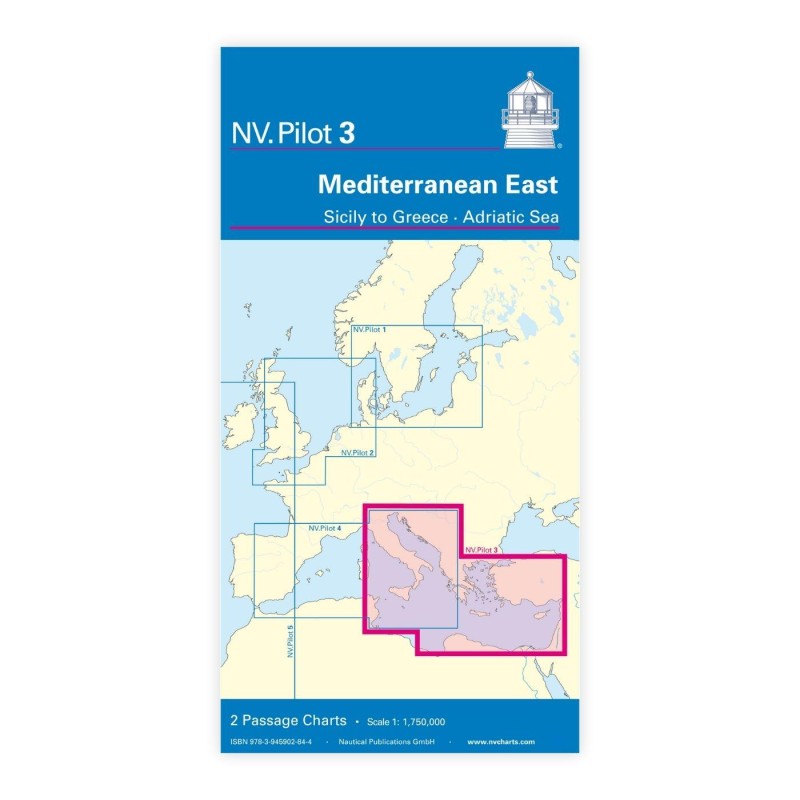 NV Charts Pilot 3 - Mediterranean East, Sicily to Greece Adriatic Sea NV Verlag / NV Charts24,99 € incl. VAT, excl. Shipping
 -
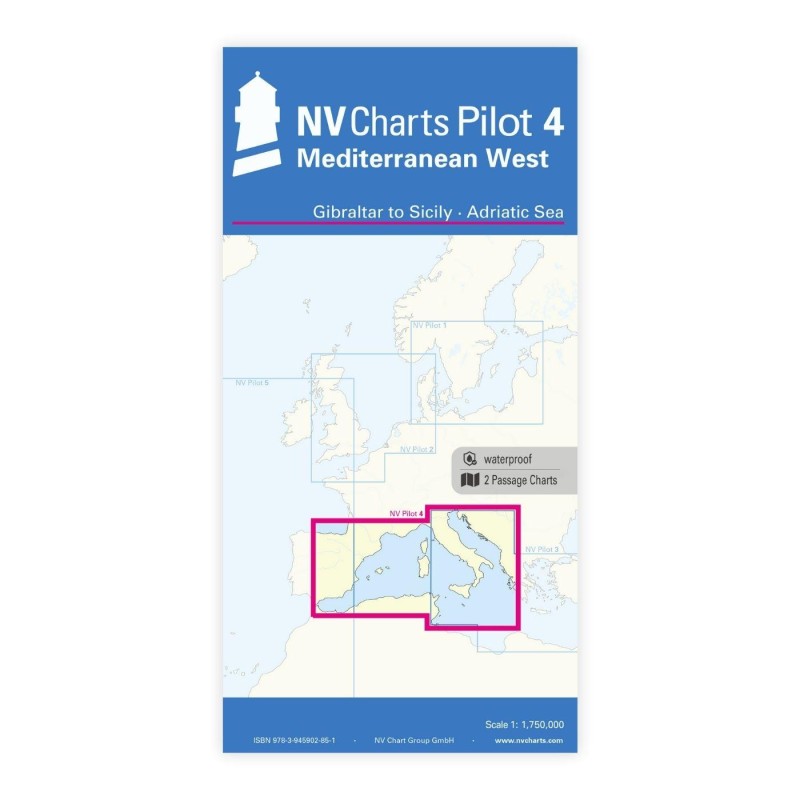 NV Charts Pilot 4 - Mediterranean West, Gibraltar to Sicily Adriatic Sea NV Verlag / NV Charts24,99 € incl. VAT, excl. Shipping
 -
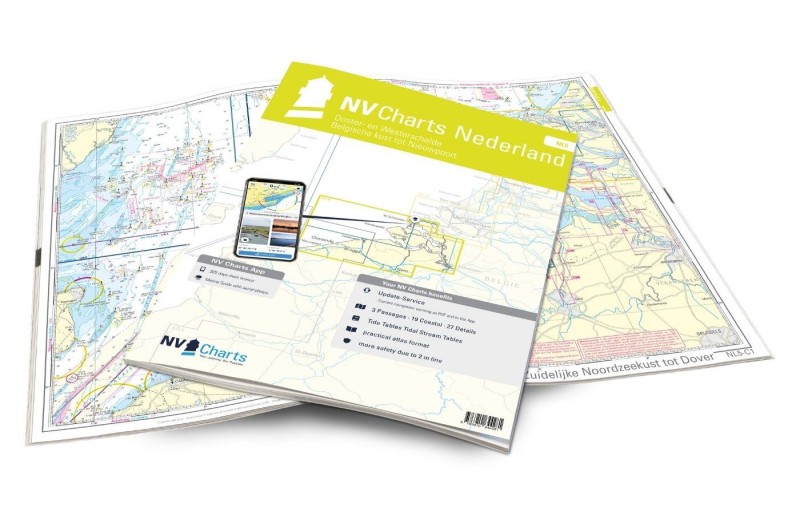 NV Charts Nederland NL5 - Ooster- en Westerschelde NV Verlag / NV Charts64,99 € incl. VAT, excl. Shipping
 -
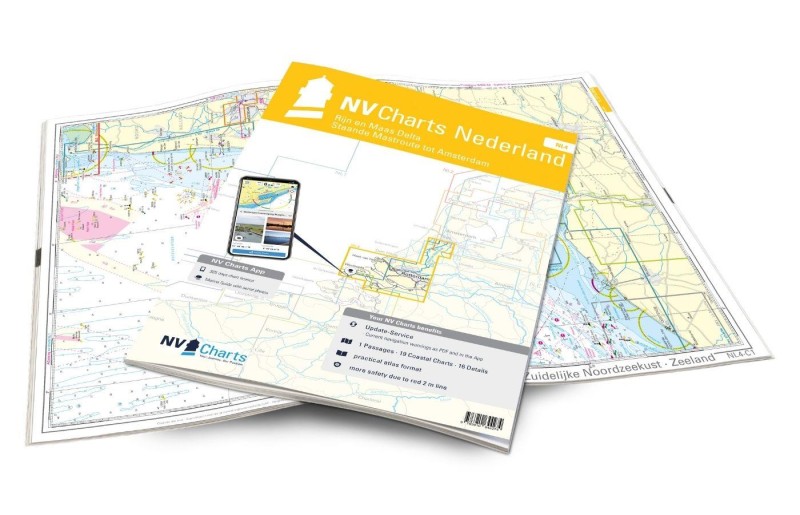 NV Charts Nederland NL4 - Rijn en Maas Delta NV Verlag / NV Charts64,99 € incl. VAT, excl. Shipping
 -
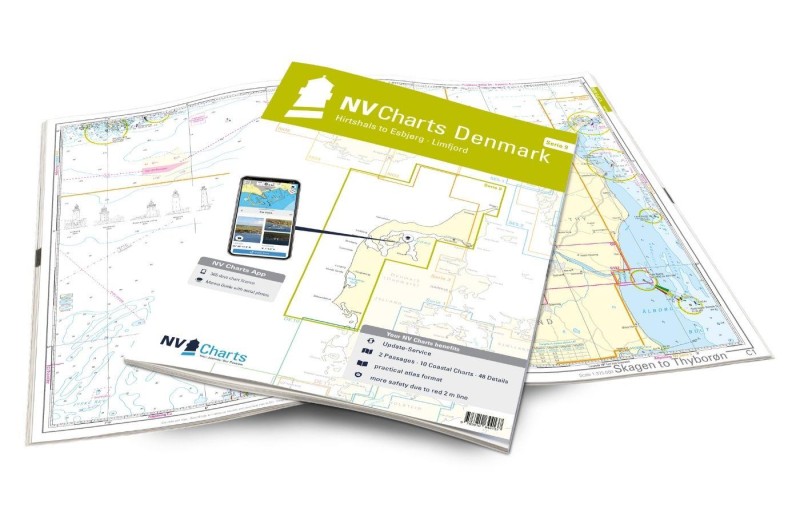 NV Charts Denmark Serie 9 - Hirtshals to Esbjerg & Limfjord NV Verlag / NV Charts64,99 € incl. VAT, excl. Shipping
 -
-
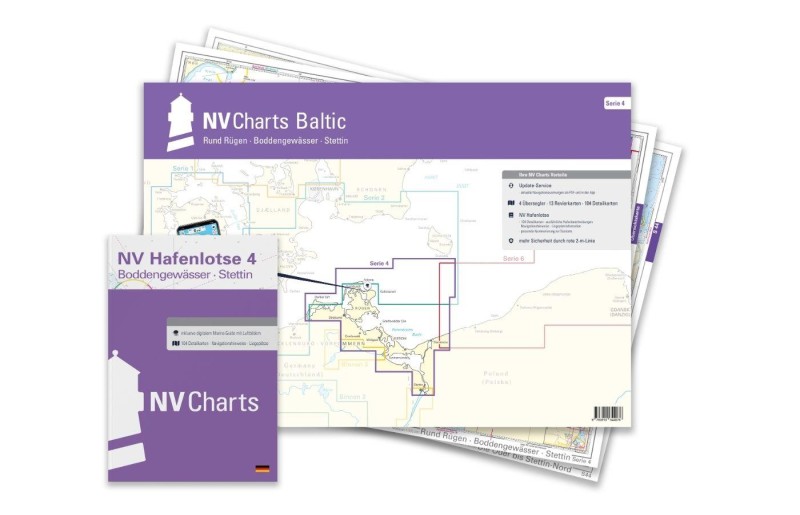 NV Charts Baltic Serie 4 Plano - Rund Rügen - Boddengewässer - Stettin NV Verlag / NV Charts74,99 € incl. VAT, excl. Shipping
 -
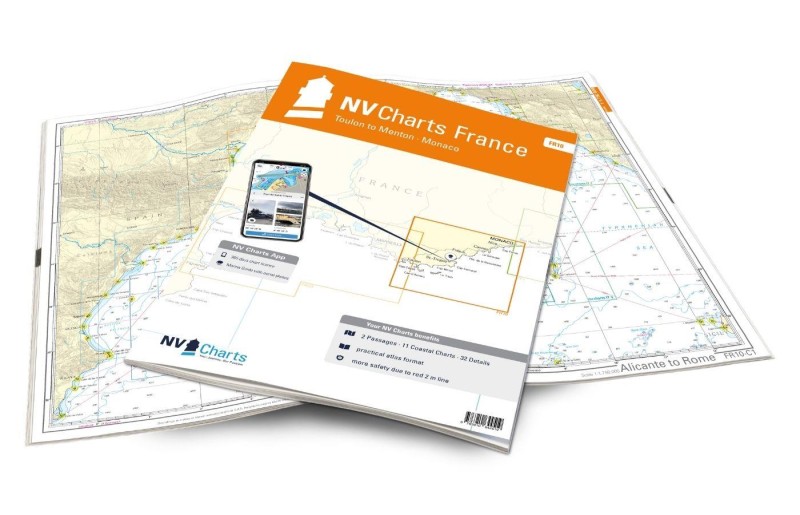 NV Charts France FR10 - Toulon to Menton, Monaco NV Verlag / NV Charts64,99 € incl. VAT, excl. Shipping
 -
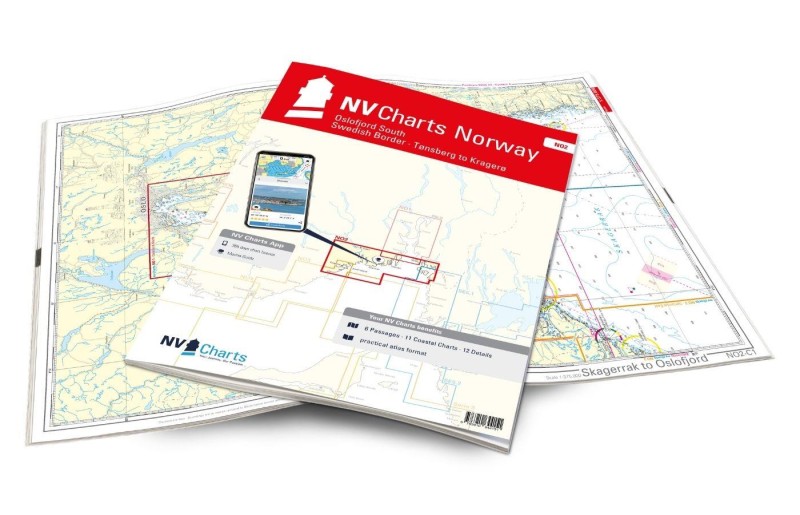 NV Charts Norway NO2 - Oslofjord Sør, Svenska Grensen til Kragerø NV Verlag / NV Charts74,99 € incl. VAT, excl. Shipping
 -
-
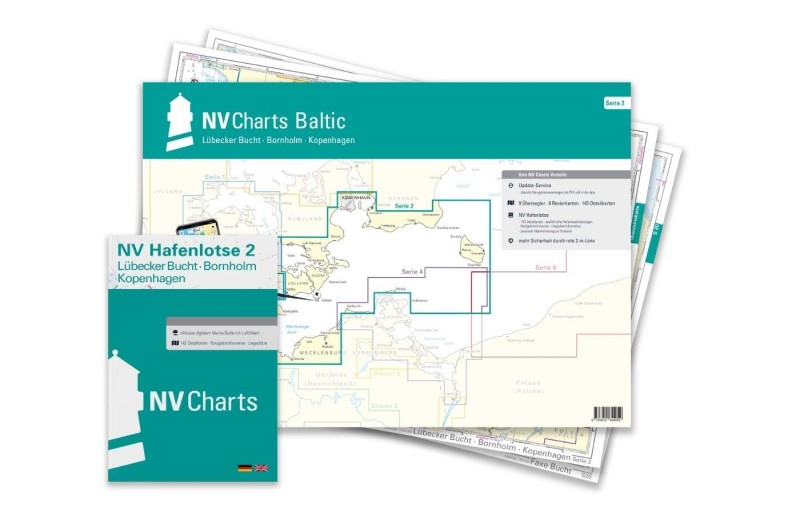 NV Charts Baltic Serie 2 Plano Lübecker Bucht - Bornholm - Kopenhagen NV Verlag / NV Charts94,99 € incl. VAT, excl. Shipping
 -
-
-
 NV Charts Spain ES2 - Balearic Islands, Ibiza to Menorca NV Verlag / NV Charts64,99 € incl. VAT, excl. Shipping
 -
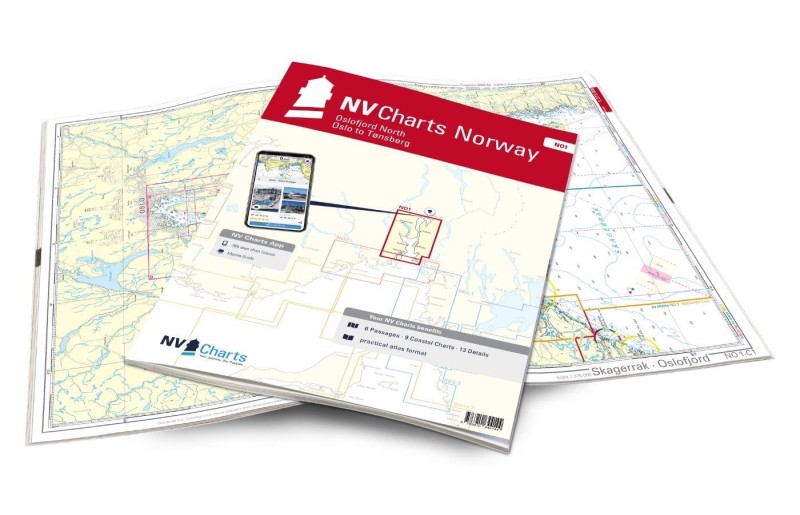 NV Charts Norway NO1 - Oslofjord Nord, Oslo to Tønsberg NV Verlag / NV Charts74,99 € incl. VAT, excl. Shipping
 -
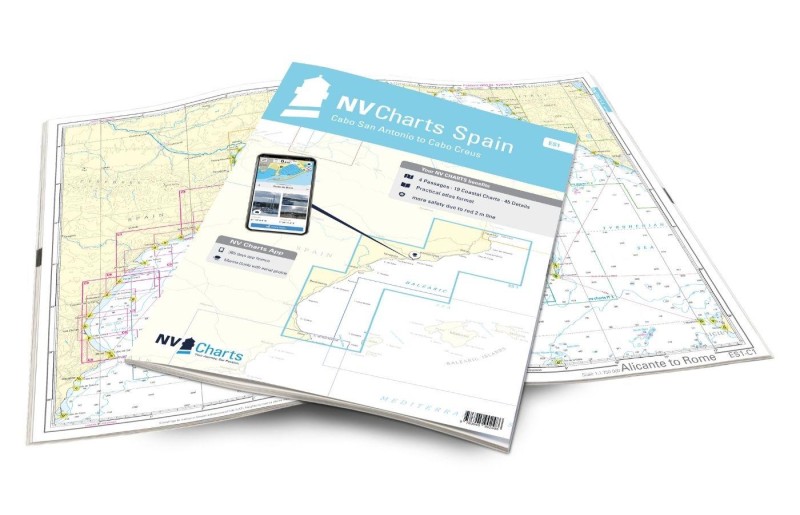 NV Charts Spain ES1 - Cabo San Antonio to Cabo Creus NV Verlag / NV Charts64,99 € incl. VAT, excl. Shipping
 -
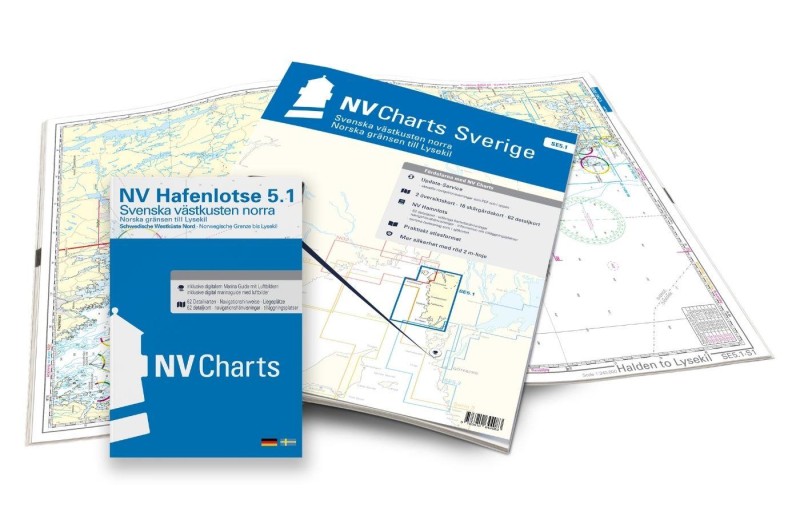 NV Charts Sverige SE 5.1 - Svenska Västkusten Norra NV Verlag / NV Charts69,90 € incl. VAT, excl. Shipping
 -
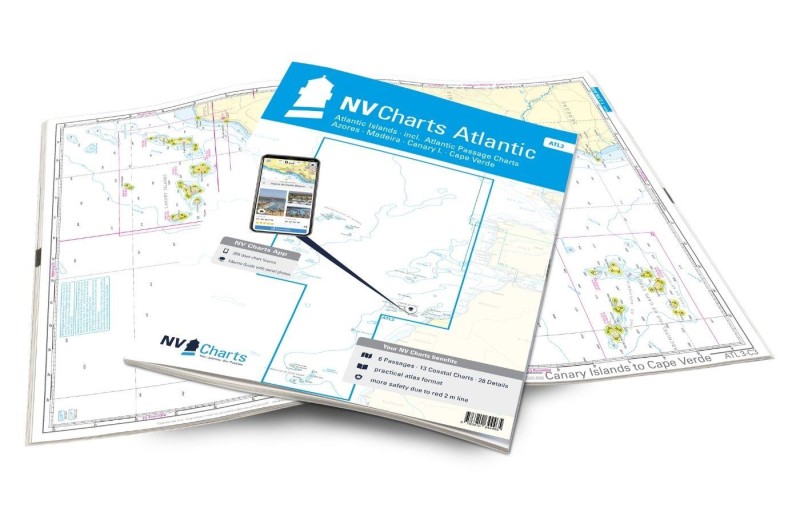 NV Charts Atlantic ATL3 - Atlantic Islands Azores - Madeira, Canary Islands, Cape Verde NV Verlag / NV Charts74,99 € incl. VAT, excl. Shipping
 -
-
-
-
-
-
-
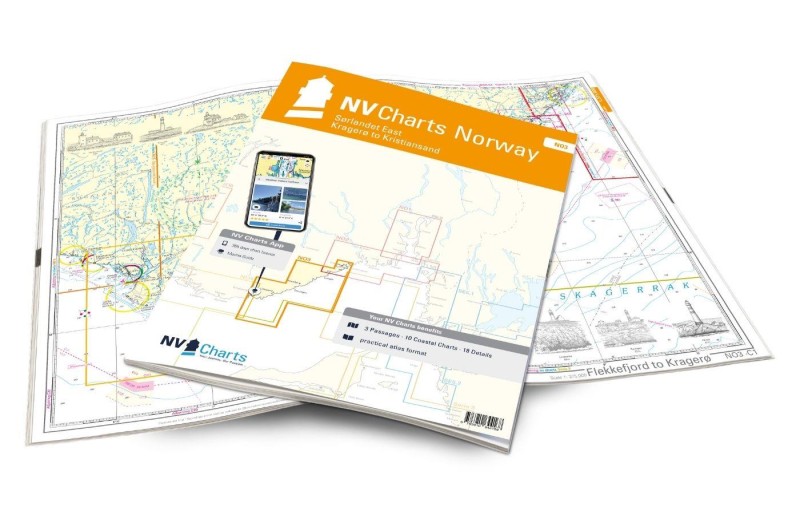 NV Charts Norway NO3 - Sørlandet East - Kragerø to Kristiansand NV Verlag / NV Charts74,99 € incl. VAT, excl. Shipping
 -
-
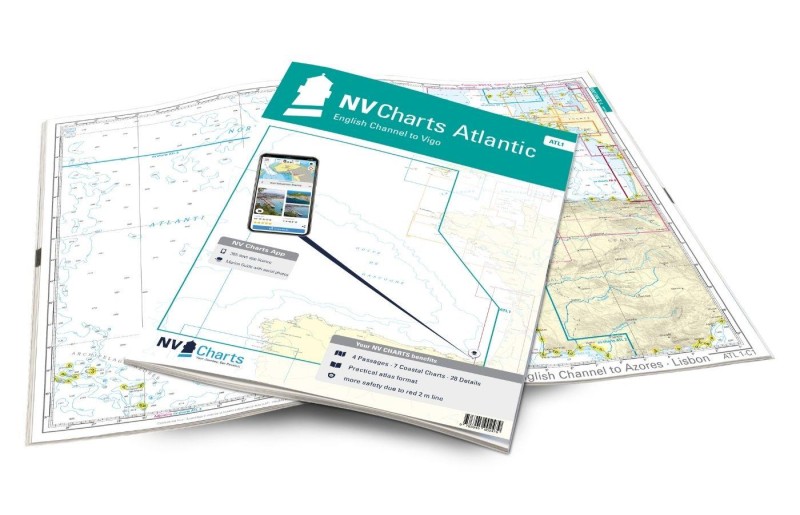 NV Charts Atlantic ATL1 - English Channel to Vigo NV Verlag / NV Charts74,99 € incl. VAT, excl. Shipping
 -
-
-
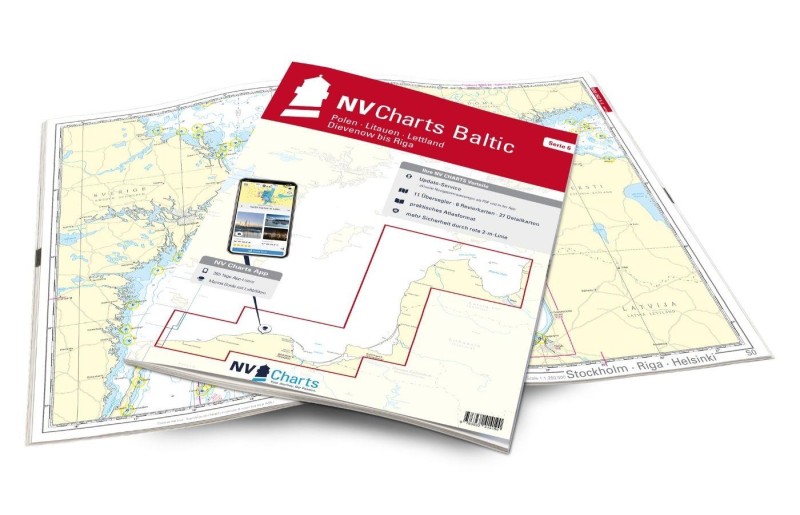 NV Charts Baltic Serie 6 - Polen - Litauen - Lettland NV Verlag / NV Charts94,99 € incl. VAT, excl. Shipping
 -
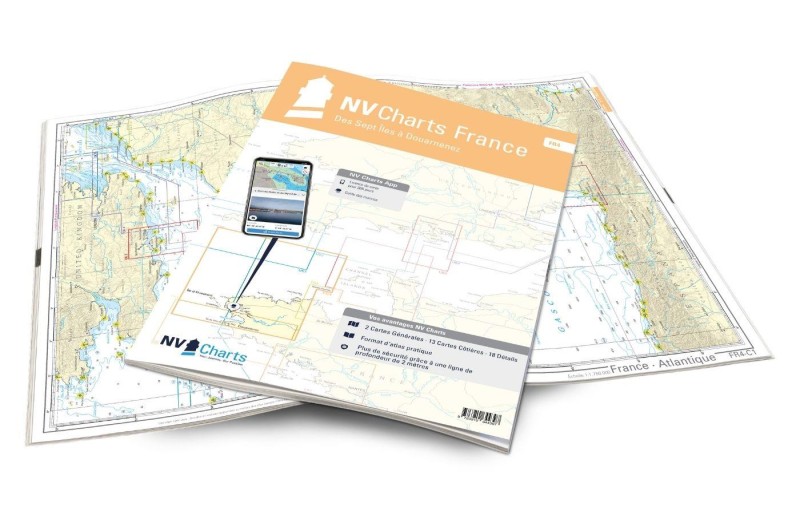 NV Charts France FR4 - Les Sept Isles à Douarnenez NV Verlag / NV Charts64,99 € incl. VAT, excl. Shipping
 -
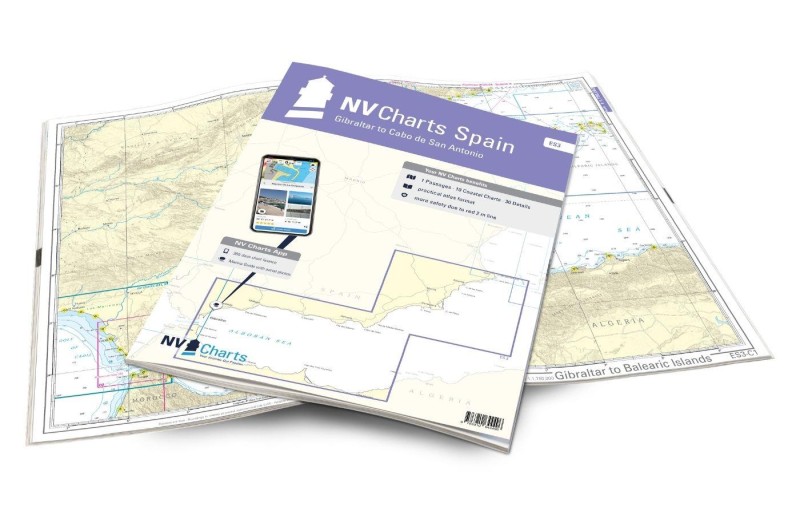 NV Charts Spain ES3 - Gibraltar to Cabo de San Antonio NV Verlag / NV Charts64,99 € incl. VAT, excl. Shipping
 -
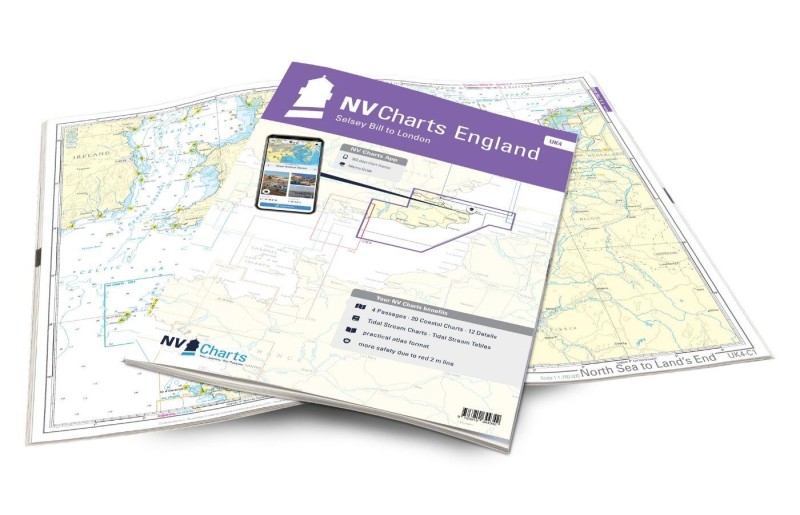 NV Charts England UK4 - Selsey Bill to London NV Verlag / NV Charts64,99 € incl. VAT, excl. Shipping
 -
-
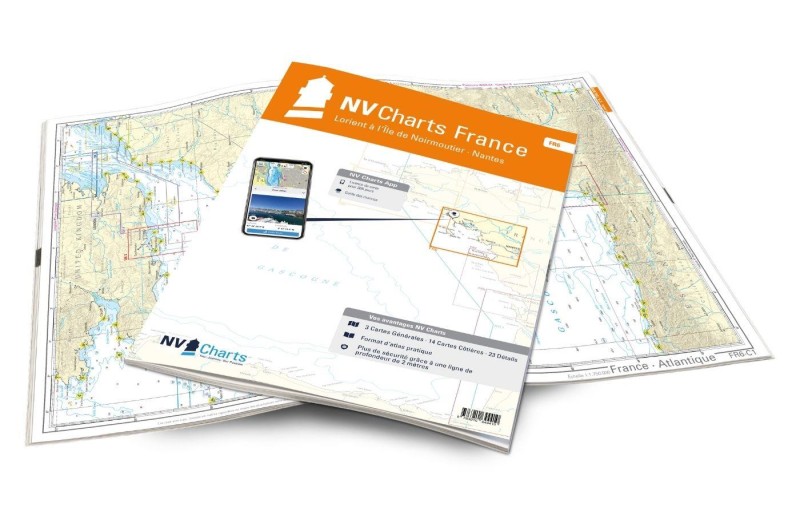 NV Charts France FR6 - Lorient à l`Île de Noirmoutier NV Verlag / NV Charts64,99 € incl. VAT, excl. Shipping
 -
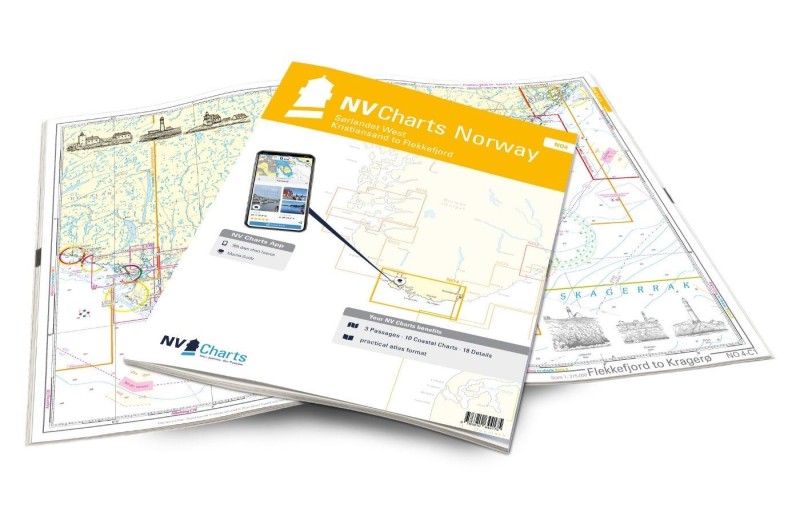 NV Charts Norway NO4 - Sørlandet West - Kristiansand to Flekkefjord NV Verlag / NV Charts74,99 € incl. VAT, excl. Shipping
 -
-
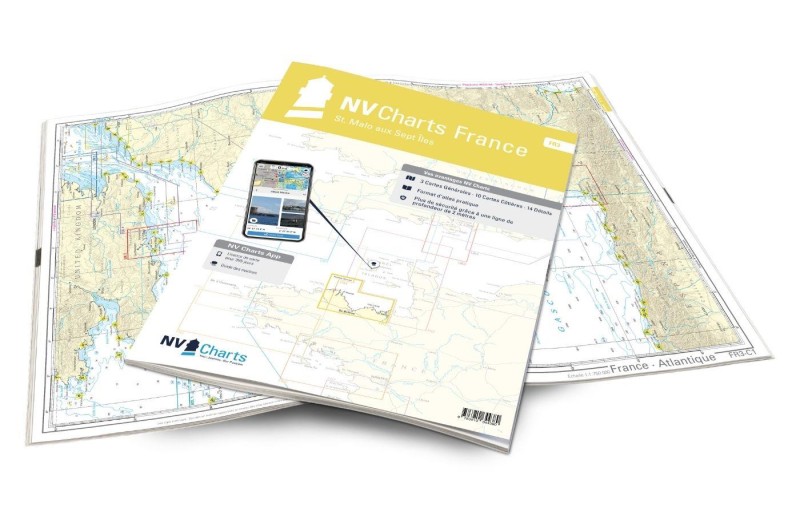 NV Charts France FR3 - St. Malo aux Sept Isles NV Verlag / NV Charts64,99 € incl. VAT, excl. Shipping
 -
-
-
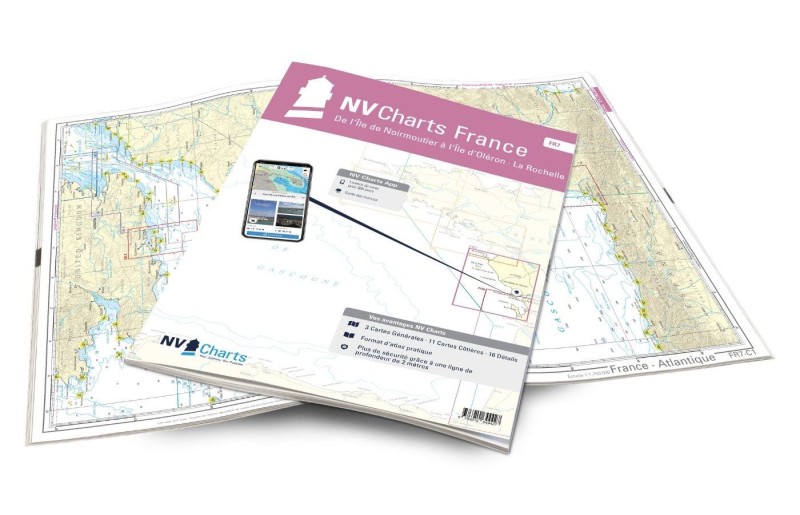 NV Charts France FR7 - Îles de Noirmoutier à Oléron NV Verlag / NV Charts64,99 € incl. VAT, excl. Shipping
 -
-
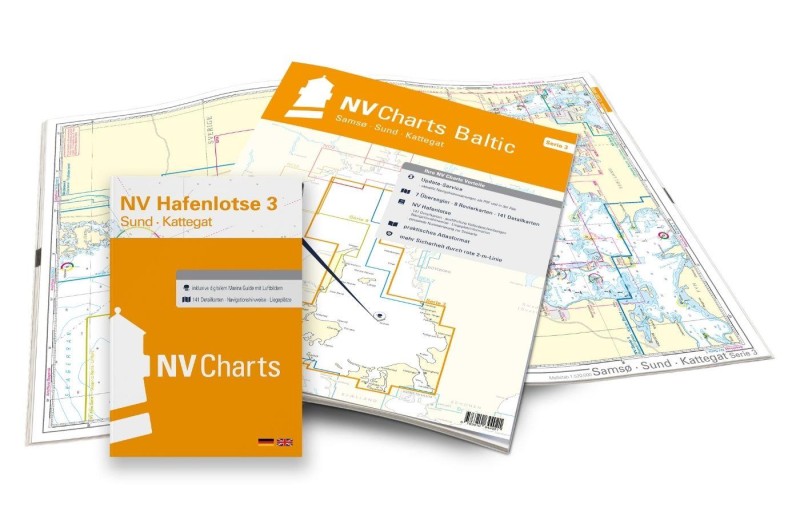 NV Charts Baltic Serie 3 - Samsø - Sund - Kattegat NV Verlag / NV Charts74,99 € incl. VAT, excl. Shipping
 -
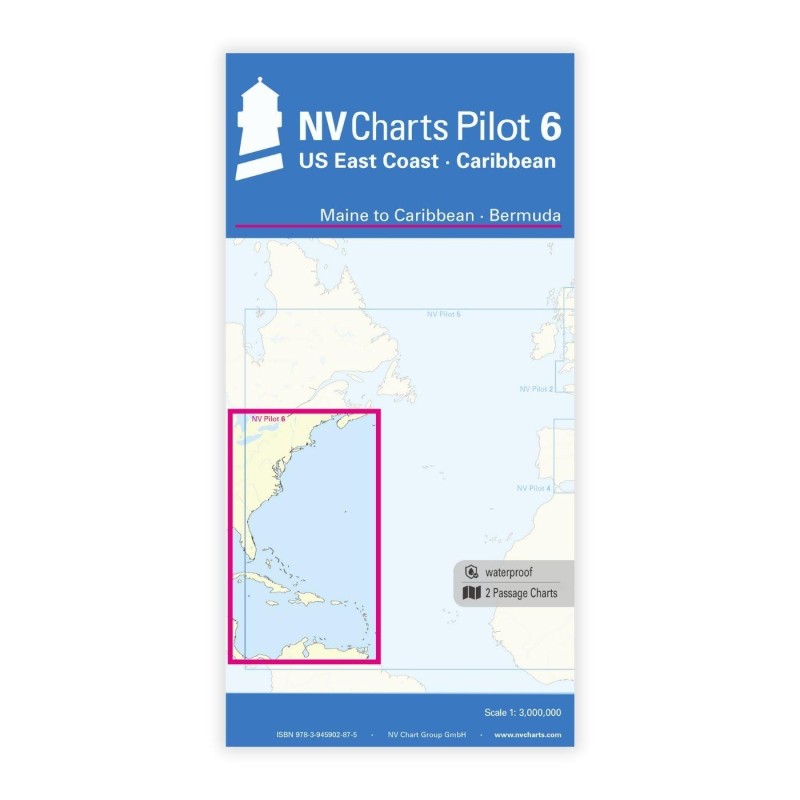 NV Charts Pilot 6 - US East Coast, Maine to Caribbean • Bermuda NV Verlag / NV Charts24,99 € incl. VAT, excl. Shipping
 -
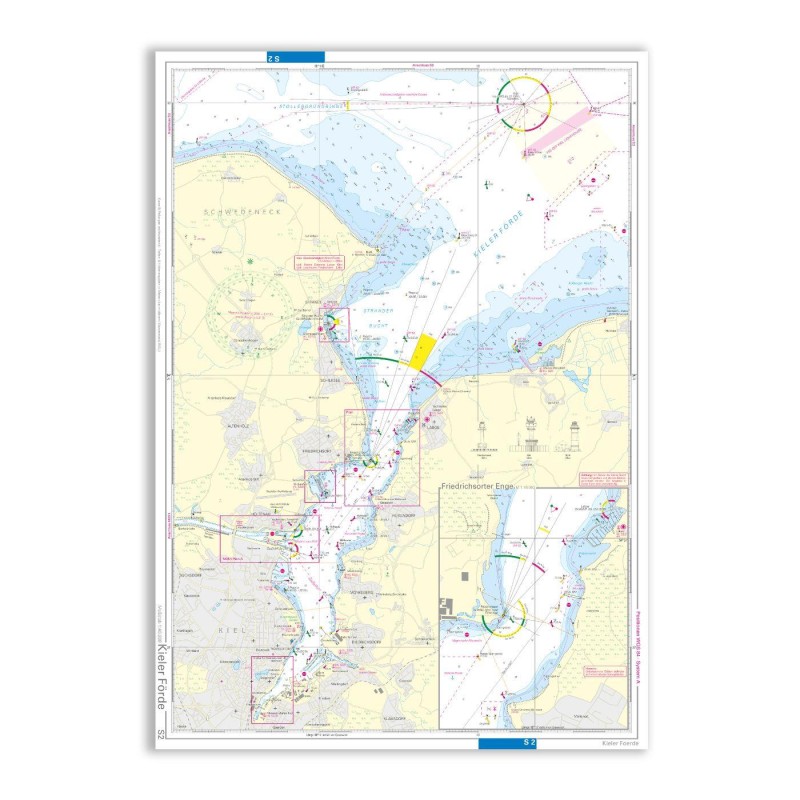 NV Charts Seekarte S2 Kieler Förde, Einzelkarte NV Verlag / NV Charts14,99 € incl. VAT, excl. Shipping
 -
-
-
 NV Charts Baltic Serie 3 Plano - Samsø-Sund-Kattegat NV Verlag / NV Charts74,99 € incl. VAT, excl. Shipping
 -
 NV Charts England UK1 - Isles of Scilly to Start Point NV Verlag / NV Charts64,99 € incl. VAT, excl. Shipping
 -
 NV Charts France FR8 - Île d'Oléron à San Sebastian NV Verlag / NV Charts64,99 € incl. VAT, excl. Shipping
 -
 NV Charts Norway NO5 - Sørvestlandet South - Flekkefjord to Stavanger NV Verlag / NV Charts74,99 € incl. VAT, excl. Shipping
 -
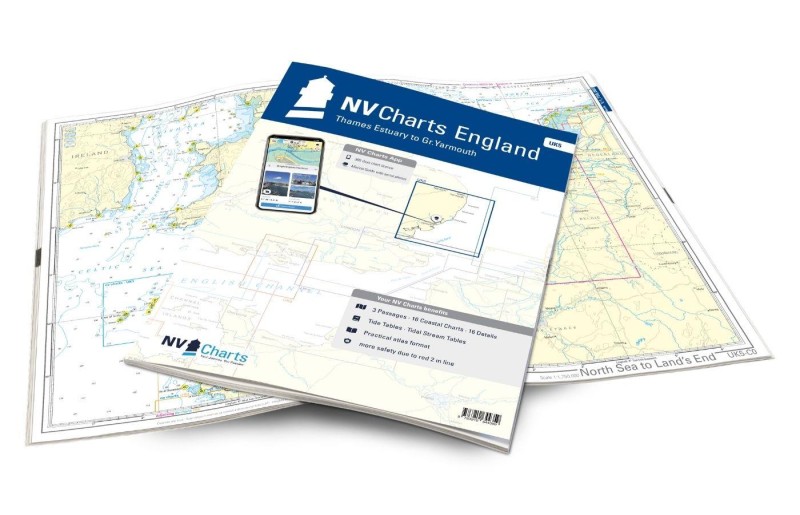 NV Charts England UK5 - Thames Estuary to Great Yarmouth NV Verlag / NV Charts64,99 € incl. VAT, excl. Shipping
 -
-
-
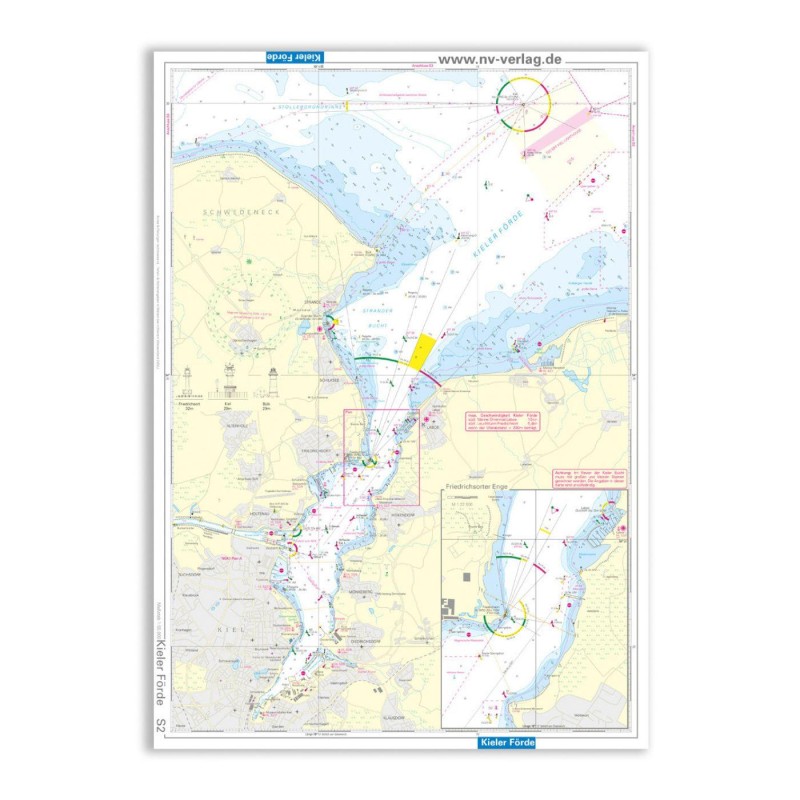 NV Einzelkarte Kieler Förde, Wasserfest / Kunststoff NV Verlag / NV Charts14,99 € incl. VAT, excl. Shipping
 -
-
-
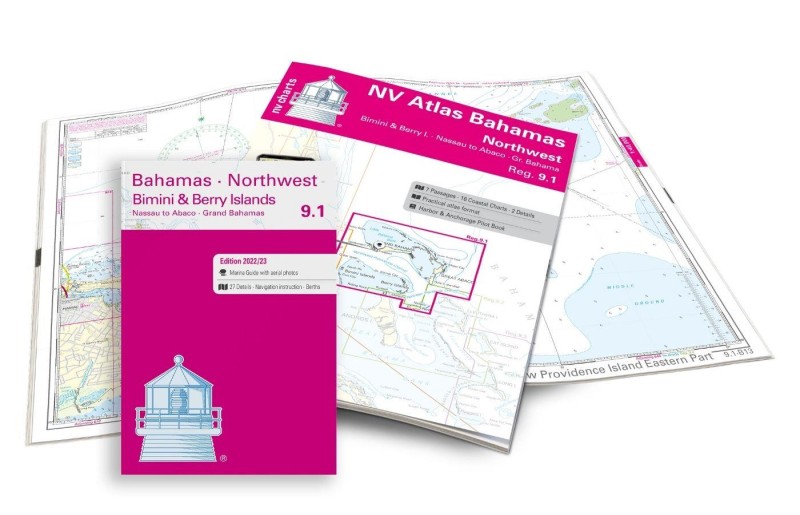 NV Charts Bahamas 9.1 - Northwest - Bimini & Berry Islands - Nassau to Abaco - Grand Bahama NV Verlag / NV Charts74,99 € incl. VAT, excl. Shipping
 -
-
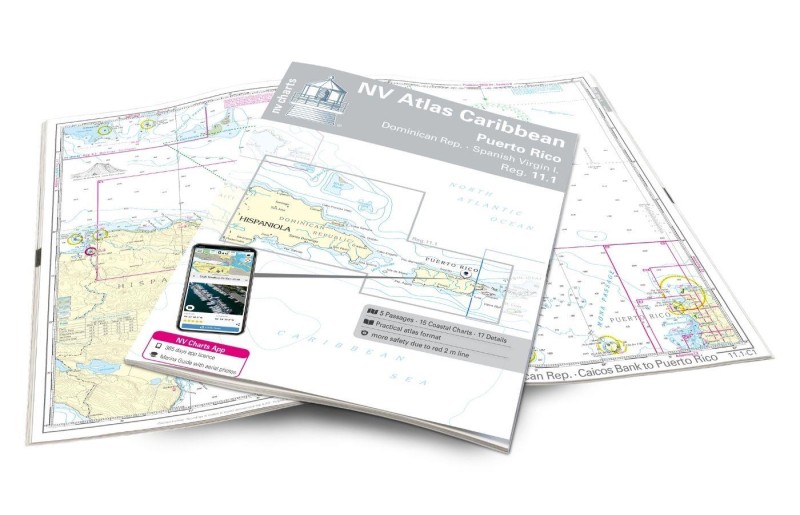 NV Charts Caribbean 11.1 - Puerto Rico - Dominican Republic - Spanish Virgin Islands NV Verlag / NV Charts94,99 € incl. VAT, excl. Shipping
 -
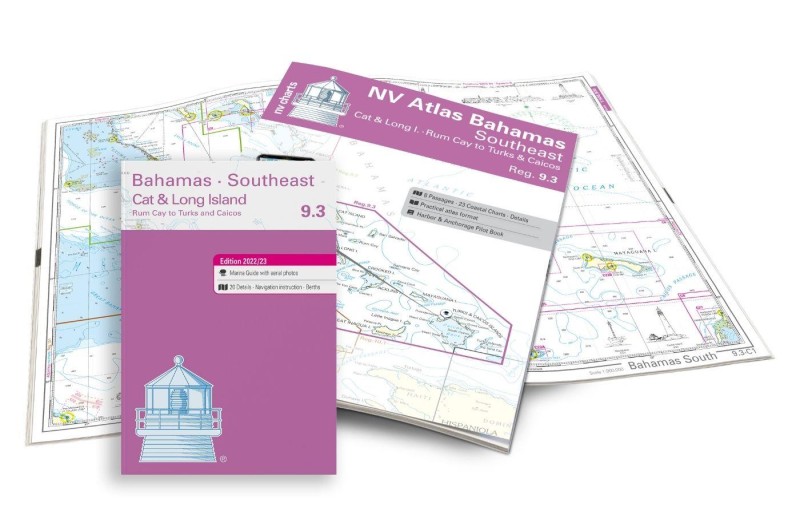 NV Charts Bahamas 9.3 - Southeast, Cat & Long Island - Rum Cay to Turks & Caicos NV Verlag / NV Charts74,99 € incl. VAT, excl. Shipping
 -
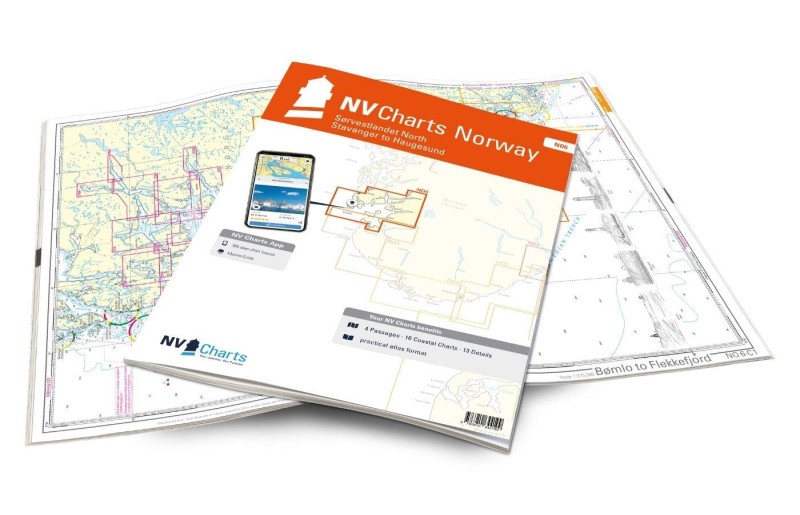 NV Atlas Norway NO6 - Sørvestlandet North - Stavanger to Haugesund NV Verlag / NV Charts74,99 € incl. VAT, excl. Shipping
 -
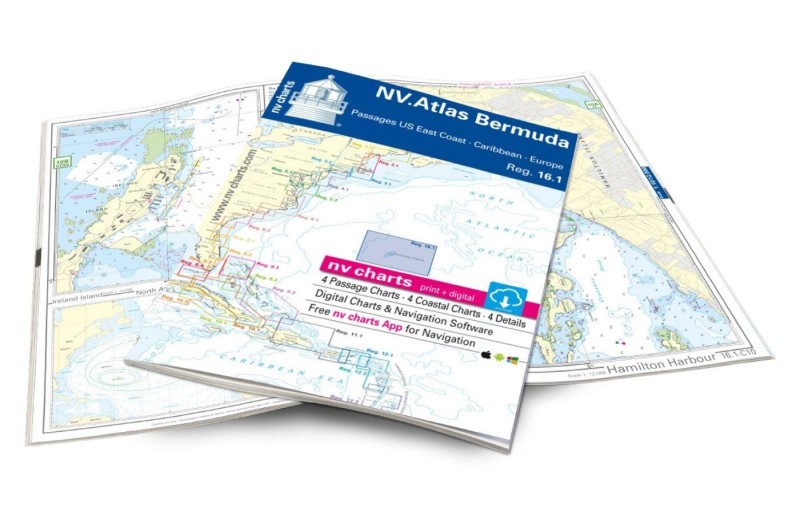 NV Charts Bermuda 16.1 - Passages US East Coast - Caribbean - Europe NV Verlag / NV Charts69,80 € incl. VAT, excl. Shipping
 -
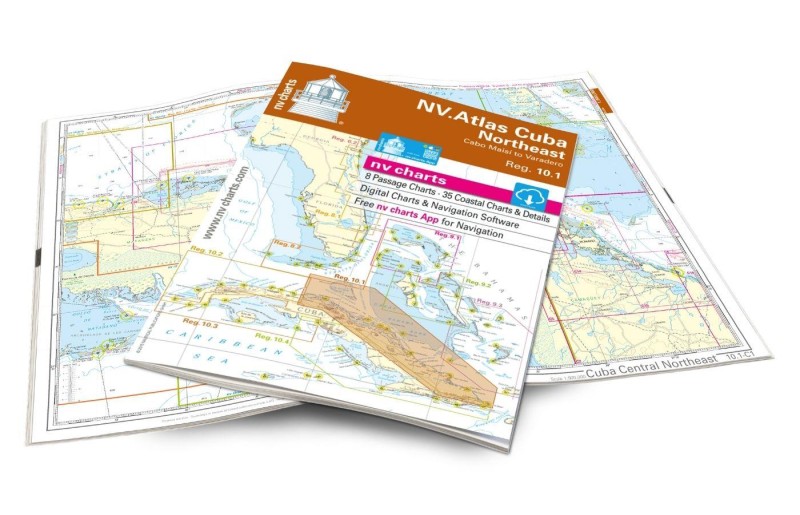 NV Charts Cuba 10.1 - Northeast Cuba, Cabo Maisi to Varadero NV Verlag / NV Charts94,99 € incl. VAT, excl. Shipping
 -
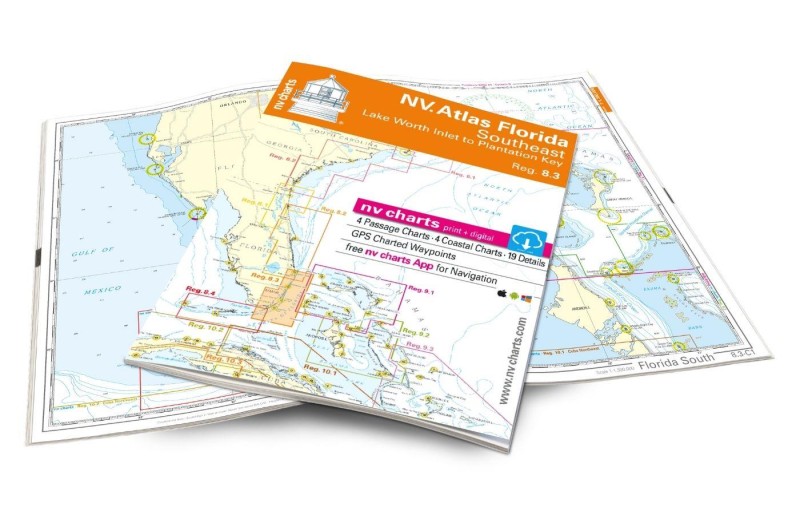 NV Atlas Florida Southeast Reg. 8.3 - Lake Worth Inlet to Plantation Key NV Verlag / NV Charts49,00 € incl. VAT, excl. Shipping
 -
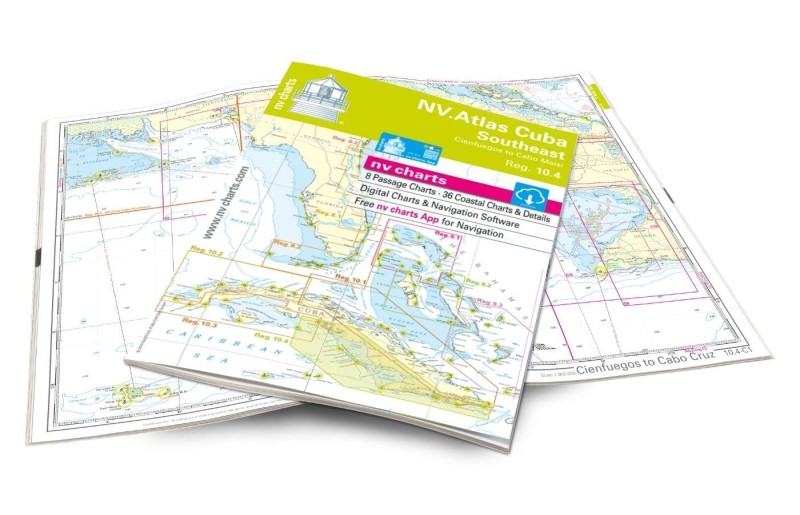 NV Charts Cuba 10.4 - Southeast - Trinidad to Cabo Maisi NV Verlag / NV Charts94,99 € incl. VAT, excl. Shipping
 -
-
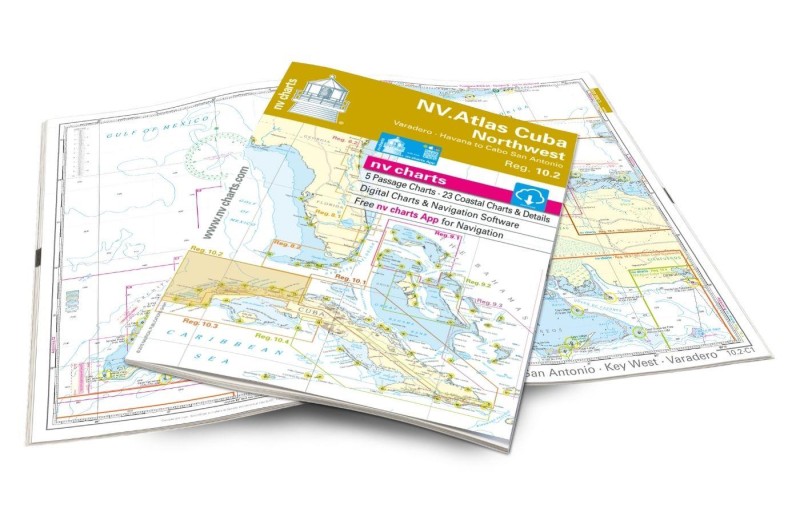 NV Charts Cuba 10.2 - Northwest - Varadero to Cabo San Antonio NV Verlag / NV Charts94,99 € incl. VAT, excl. Shipping
 -
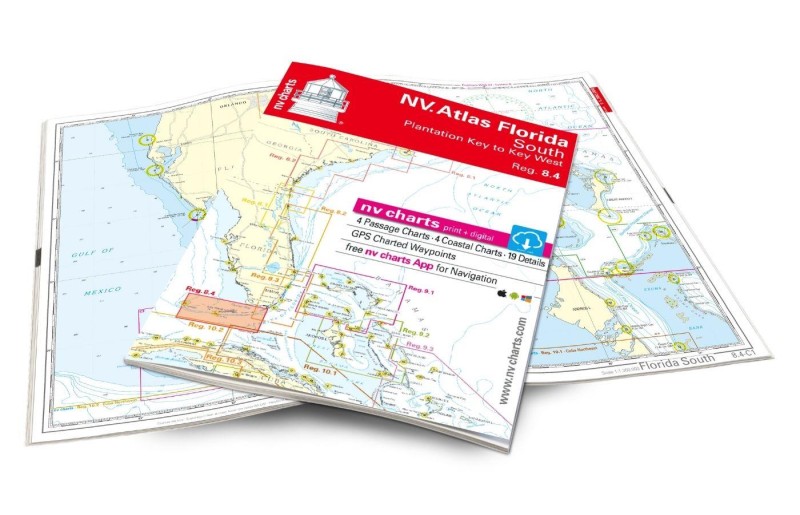 NV Charts Florida 8.4 - South Florida, Plantation Key to Key West NV Verlag / NV Charts49,00 € incl. VAT, excl. Shipping
 -
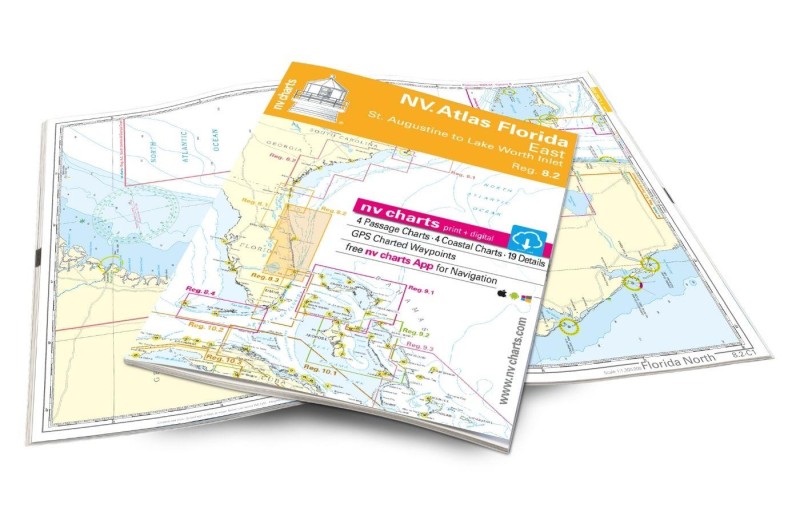 NV Atlas Florida, East Reg. 8.2 - St. Augustine to Lake Worth Inlet NV Verlag / NV Charts49,00 € incl. VAT, excl. Shipping
 -
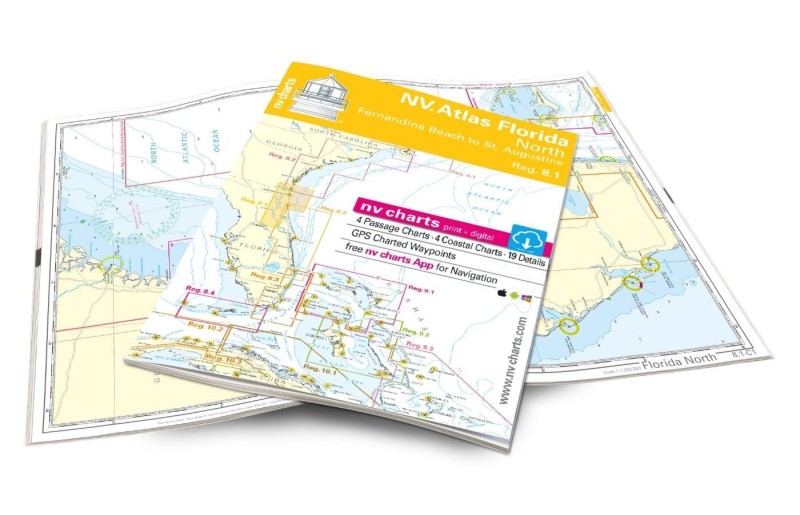 NV Atlas Florida North Reg. 8.1 - Fernandina Beach to St. Augustine NV Verlag / NV Charts49,00 € incl. VAT, excl. Shipping
 -
-
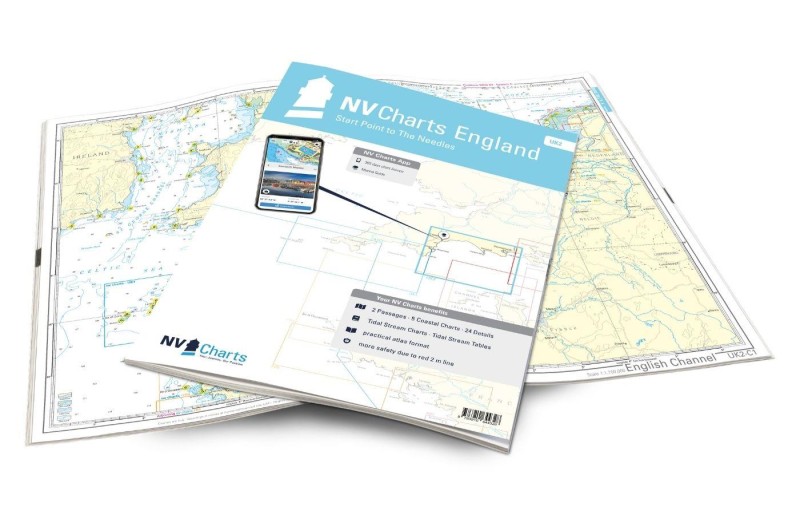 NV Charts England UK2 - Start Point to The Needles NV Verlag / NV Charts64,99 € incl. VAT, excl. Shipping
 -
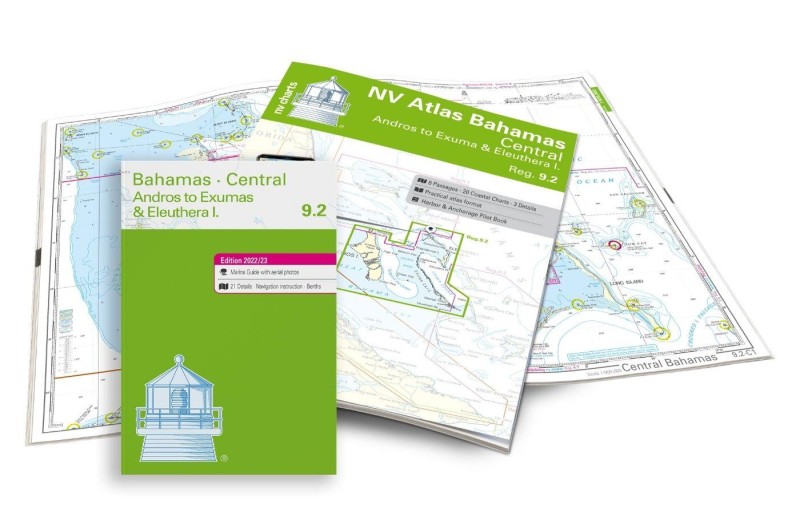 NV Charts Bahamas 9.2 - Central - Andros to Exumas & Eleuthera Islands NV Verlag / NV Charts74,99 € incl. VAT, excl. Shipping
Places nearby

Related Regions
This location is included in the following regions of the BoatView harbour guide:
 WhatsApp
 Facebook
 E-Mail
 Copy
Copy