Frederiksværk
Marina near Frederiksværk

Latitude
55° 57’ 47.4” NLongitude
11° 59’ 48.2” EDescription
Sport boat harbour north of the industrial harbour at the north-eastern tip of Roskildefjord.
NV Cruising Guide
Navigation
The approach is only recommended for those unfamiliar with the area during the day. From the buoyed fairway to the industrial harbour, steer north towards the entrance to the marina.
Berths
Guests can find moorings at bridge 5. The water depth is 2.3 - 2.8 m. However, noise and dust pollution from the steelworks and waste incineration plant are not insignificant. The industrial harbour and the former marina are closed for recreational shipping.
Surroundings
Behind the façade of the steelworks is the large club harbour of the local sailing club with all the necessary service facilities, as well as a town well worth seeing, where good supply facilities are available.
NV Land Guide
The industrial backdrop of Frederiksværk is at first more a reason to sail away than to sail in. Concrete, corrugated iron and steel form the "welcoming committee". The deterrent silhouette of the shore is mainly shaped by a huge steel rolling mill.
Large production facilities have a tradition here, because Frederiksværk was Denmark's first industrial town. The town's main attraction for tourists is therefore its surroundings. But the notoriously lazy sports boaters don't have to walk that far, because the town surprises in a positive way behind the ugly facade.
A canal, dug between Lake Arre and the Roskildefjord at the beginning of the 18th century, meanders through Frederiksværk and brings cosiness to the town. Numerous footbridges lead from one side of the canal to the other between green spaces, front gardens and houses standing close together. King Frederik IV did not have an idyll in mind when he built the moat. The aim was to drain Lake Arre because the largest Danish lake overflowed its banks after heavy downpours and flooded the country. In addition, water energy could be harnessed because the lake is higher than the fjord.
A museum by the canal commemorates an earlier industry in the town, the (gun) powder mill museum. Several old black powder mills with associated workshops and a watermill are part of the more than one hundred year old site, all still equipped with the old rollers and machinery. The visitor is informed about the history of powder from the time around 1200 to the present. The composition (saltpetre, sulphur and charcoal) and production of powder are illustrated by schematic overviews and copies of old powder mill drawings. The pulverizing, blending and polishing rollers are still intact. However, driven by a waterwheel or electric motors from the 1920s, they run empty, as no powder has been produced in Frederiksværk since 1965.
It was dangerous to work in the powder mill. Straw shoes were on display to prevent pebbles caught in the tread of shoe soles from spraying sparks as they walked.
A grounded metal ball discharged static electricity when touched. Not even cursing allowed General J.F. Classen, founder of the first powder mill (1756). Nevertheless, heavy explosions occurred, the first time in 1758 and the last time in 1957.
The city supplied the Danish army not only with powder, but also with weapons. For many years, the museum building "Arsenalet" stored the cannons from the factory after which the city got its name. A few metres from the Arsenal is the "Projektilmagasinet". Where powder was once stored, a general store from the turn of the century has been set up.
The old cannon foundry in Gjethusgade is now used to display works of art. A restaurant and concert hall are also located here, as is the tourist office.
With a bicycle, a trip to Maglehøj, two kilometres southeast of town, is recommended, where you can perch 70 metres above the action. Once you've had a breather, enjoyed the view and regained your strength on the descent, the next destination is the Birkely Museum Farm (another three kilometres to the south-east). The farm was built in 1860 and shows the development of Danish agriculture in words and pictures. If you still feel like cycling, you could turn north of Frederiksværk to the seaside resorts of Liseleje and Tisvildeleje on the Kattegat beach. Between the two lies a large wooded area, originally created to fortify the shifting sand dunes. It is worth making a detour on the tour to see the mill at MeIby, four kilometres northeast of the town. It was built in 1878 and renovated a few years ago. But what is the use of the surroundings described in the brochure as the "most beautiful holiday paradise", if the smoke of the steel mill sticks into your cabin when the wind blows from the south. So: Only sail into Frederiksværk with constant winds from the other three cardinal directions.
Marina Information
| Max Depth | 2.8 m |
Contact
| Phone | +45 4772 1190 |
| Please enable Javascript to read | |
| Website | http://www.frv-havn.dk |
Surroundings

Electricity

Water

Toilet

Shower

Restaurant

Imbiss

Crane

Atm

Internet

Fuel

Grocery

Boatyard

Ramp

Public Transport

Bikerental

Garbage
Comments

You can add comments with the NV Charts App (Windows - iOS - Android - Mac OSX).
You can download the current version at nvcharts.com/app.
Buy nv charts covering this place Clicking one of the products will open the nv charts shop.
-
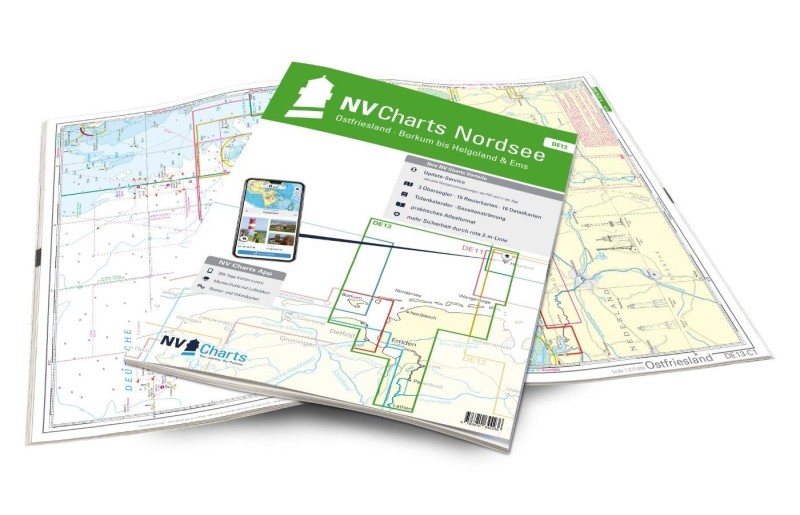 NV Charts Nordsee DE13 - Ostfriesland, Borkum bis Helgoland & Ems NV Verlag / NV Charts64,99 € incl. VAT, excl. Shipping
 -
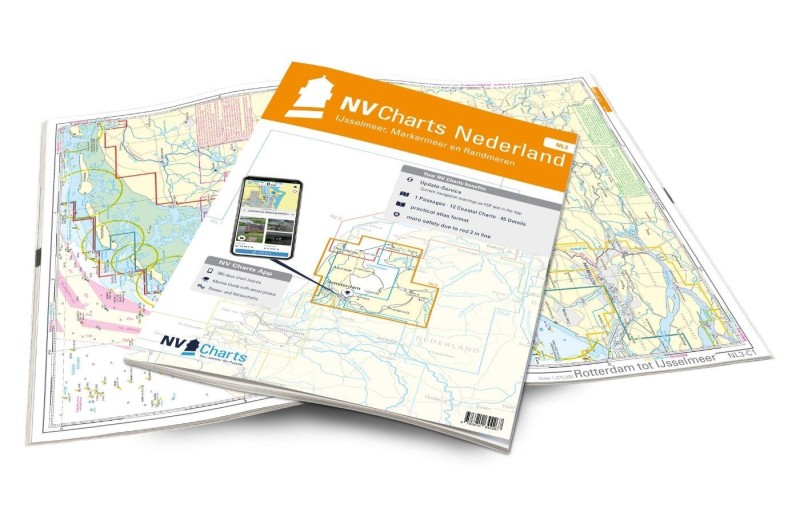 NV Charts Nederland NL3 - IJsselmeer, Markermeer en Randmeeren NV Verlag / NV Charts64,99 € incl. VAT, excl. Shipping
 -
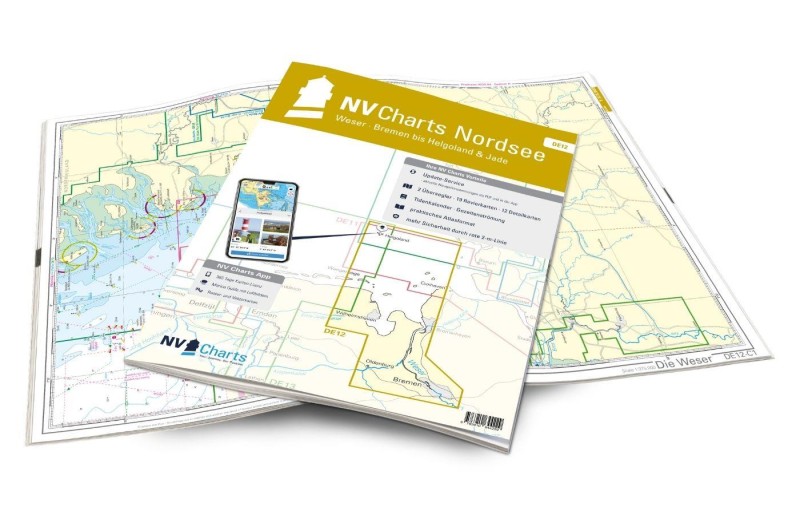 NV Charts Nordsee DE12 - Weser, Bremen bis Helgoland & Jade NV Verlag / NV Charts64,99 € incl. VAT, excl. Shipping
 -
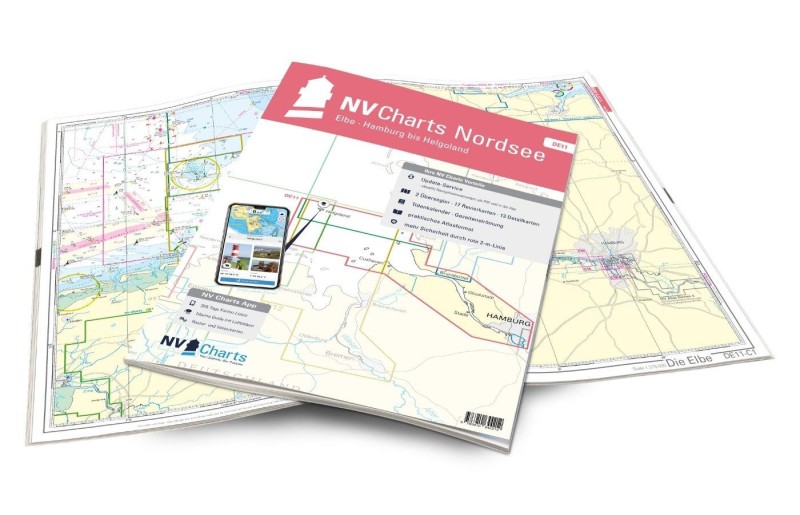 NV Charts Nordsee DE11 - Elbe, Hamburg bis Helgoland NV Verlag / NV Charts64,99 € incl. VAT, excl. Shipping
 -
-
-
 NV Charts Nederland NL6 - Waterkaart Nederland Noord - Friesland - Groningen tot Arnhem NV Verlag / NV Charts64,99 € incl. VAT, excl. Shipping
 -
 NV Charts Baltic Plano Kartenkoffer Ostsee Serie 1, 2, 3, 4 NV Verlag / NV Charts249,00 € incl. VAT, excl. Shipping
 -
 NV Charts Baltic Serie 4 Rund Rügen - Boddengewässer - Stettin NV Verlag / NV Charts74,99 € incl. VAT, excl. Shipping
 -
 NV Atlas Nordsee DE10 - Nordfriesland, Sylt bis Helgoland & Eider NV Verlag / NV Charts64,99 € incl. VAT, excl. Shipping
 -
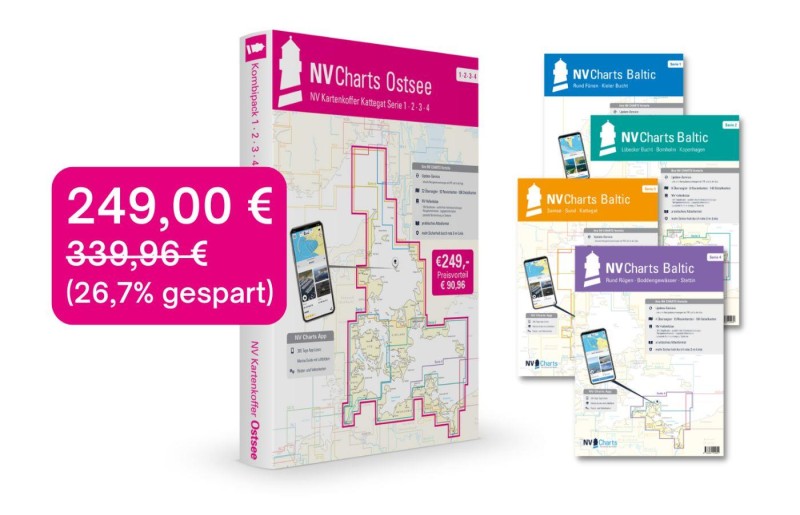 NV Charts Kartenkoffer Ostsee Serie 1, 2, 3, 4 NV Verlag / NV Charts249,00 € incl. VAT, excl. Shipping
 -
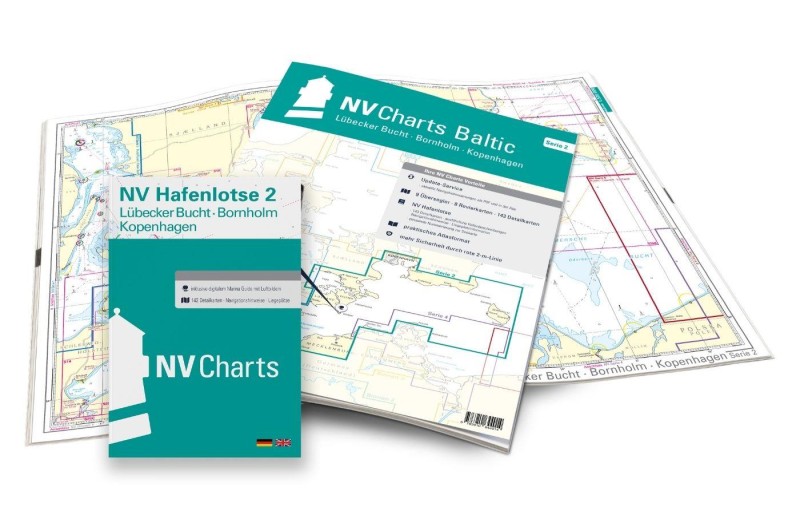 NV Charts Baltic Serie 2 Lübecker Bucht - Bornholm - Kopenhagen NV Verlag / NV Charts94,99 € incl. VAT, excl. Shipping
 -
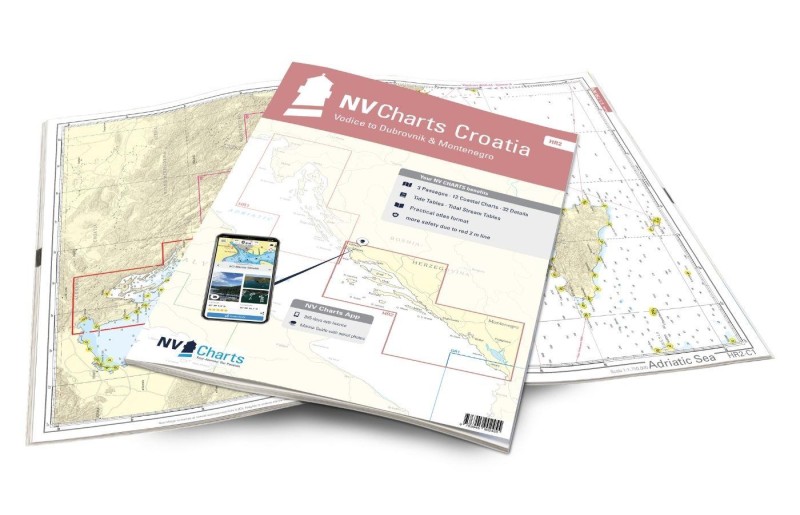 NV Atlas Croatia HR2 - Vodice to Dubrovnik & Montenegro NV Verlag / NV Charts64,99 € incl. VAT, excl. Shipping
 -
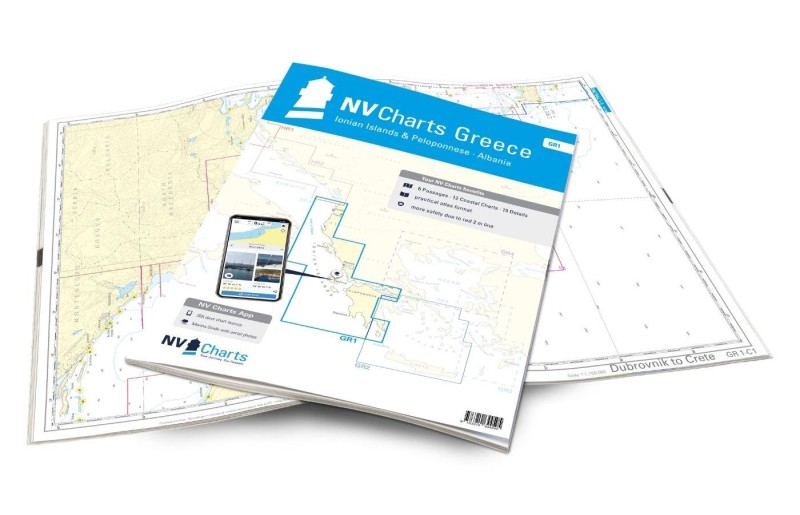 NV Charts Greece GR1 - Griechenland Ionische Inseln & Peloponnes - Albanien NV Verlag / NV Charts74,99 € incl. VAT, excl. Shipping
 -
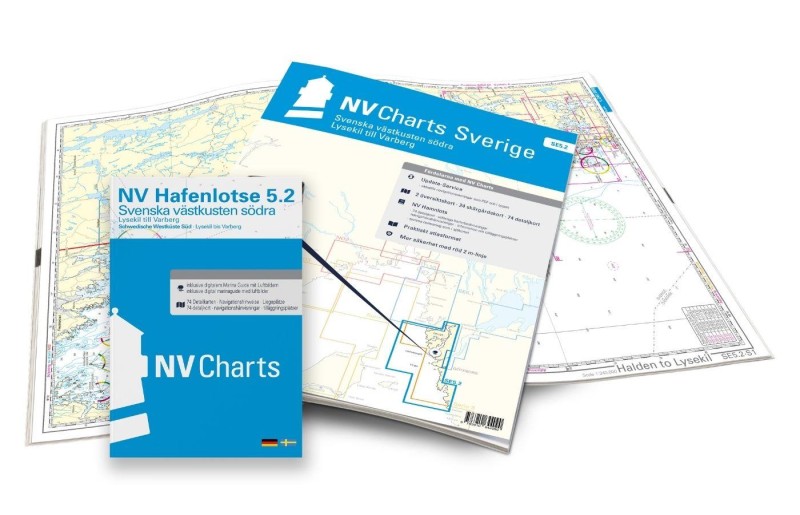 NV Charts Sverige SE 5.2 - Svenska Västkusten Södra NV Verlag / NV Charts69,90 € incl. VAT, excl. Shipping
 -
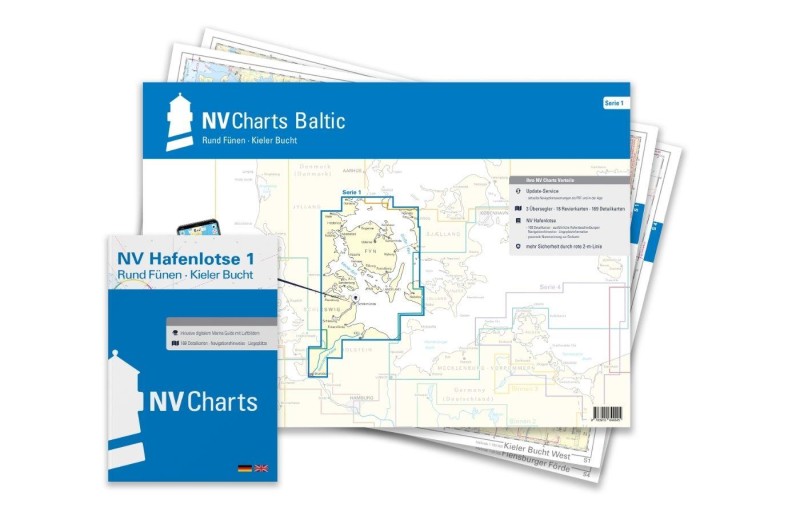 NV Plano Baltic Serie 1, Rund Fünen-Kieler Bucht NV Verlag / NV Charts94,99 € incl. VAT, excl. Shipping
 -
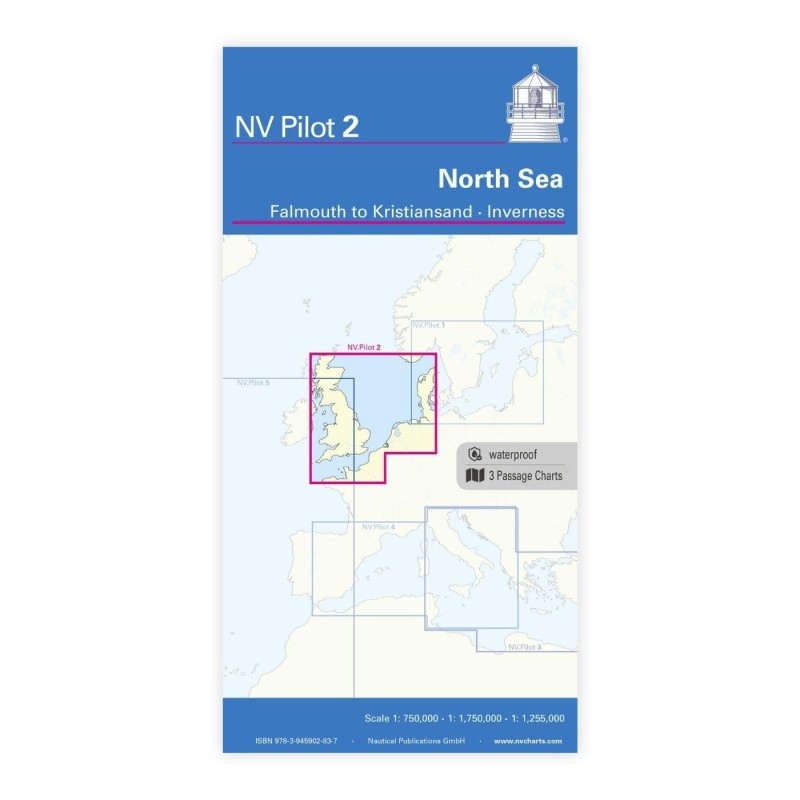 NV Charts Pilot 2 North Sea - Falmouth to Kristiansand - Inverness NV Verlag / NV Charts24,99 € incl. VAT, excl. Shipping
 -
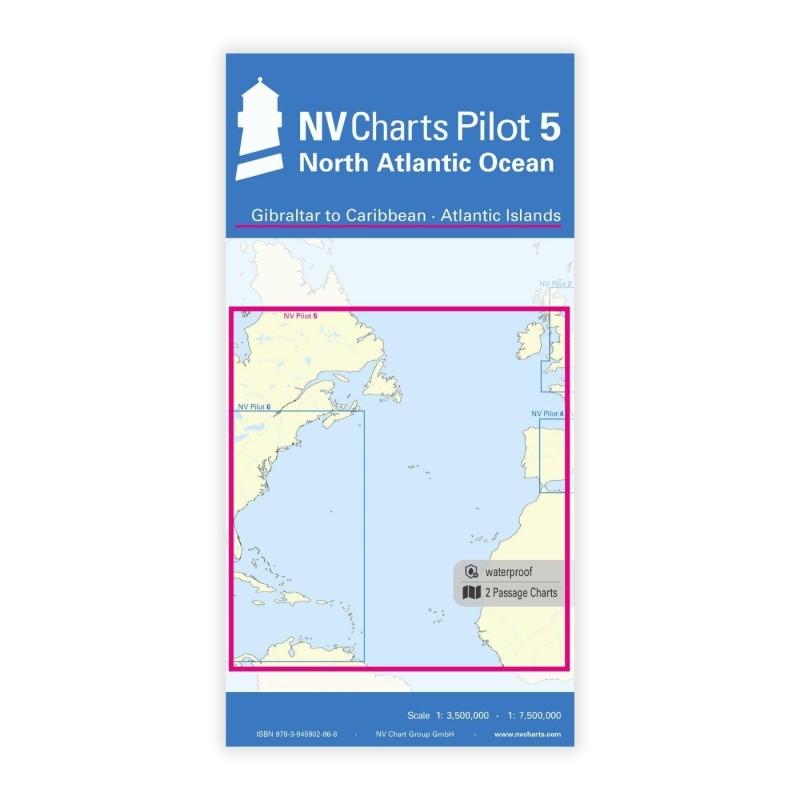 NV Charts Pilot 5 North Atlantic Ocean - Gibraltar to Caribbean, Atlantic Islands NV Verlag / NV Charts24,99 € incl. VAT, excl. Shipping
 -
 NV Charts Nederland NL1 - Oostende naar Borkum NV Verlag / NV Charts64,99 € incl. VAT, excl. Shipping
 -
-
 NV Charts Pilot 3 - Mediterranean East, Sicily to Greece Adriatic Sea NV Verlag / NV Charts24,99 € incl. VAT, excl. Shipping
 -
 NV Charts Pilot 4 - Mediterranean West, Gibraltar to Sicily Adriatic Sea NV Verlag / NV Charts24,99 € incl. VAT, excl. Shipping
 -
 NV Charts Nederland NL5 - Ooster- en Westerschelde NV Verlag / NV Charts64,99 € incl. VAT, excl. Shipping
 -
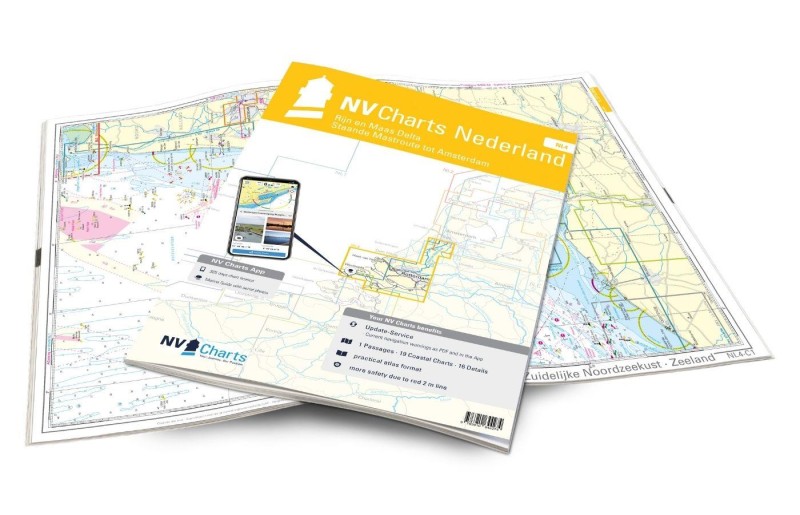 NV Charts Nederland NL4 - Rijn en Maas Delta NV Verlag / NV Charts64,99 € incl. VAT, excl. Shipping
 -
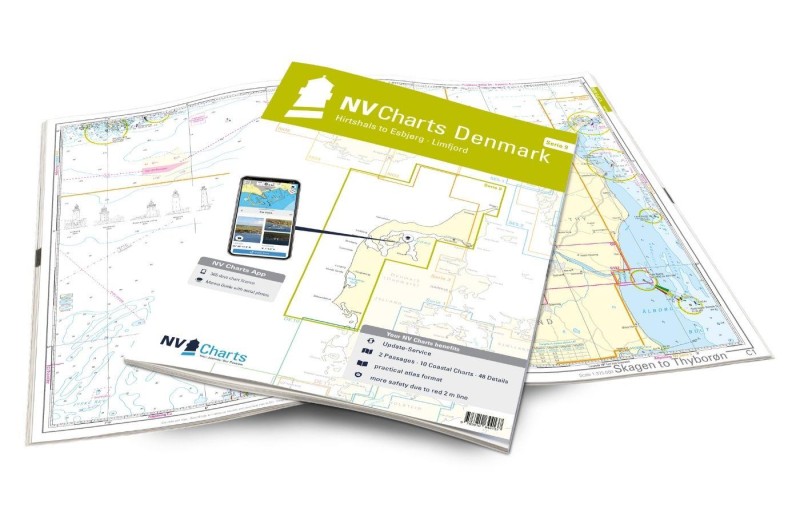 NV Charts Denmark Serie 9 - Hirtshals to Esbjerg & Limfjord NV Verlag / NV Charts64,99 € incl. VAT, excl. Shipping
 -
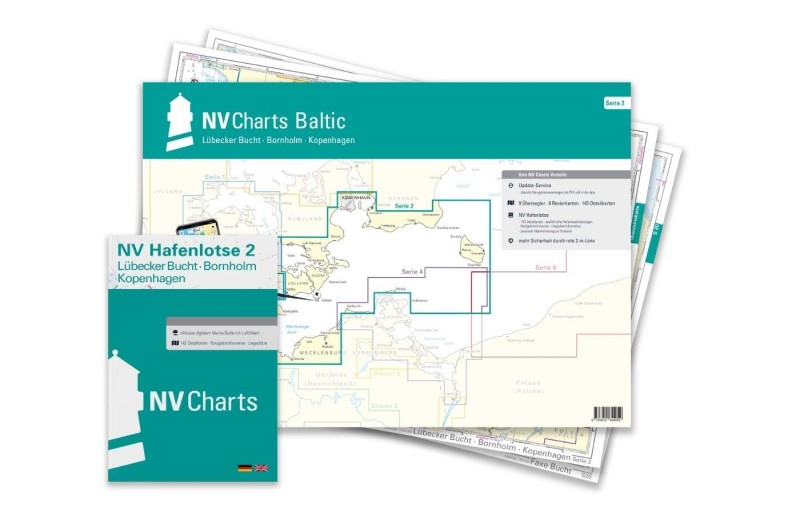 NV Charts Baltic Serie 2 Plano Lübecker Bucht - Bornholm - Kopenhagen NV Verlag / NV Charts94,99 € incl. VAT, excl. Shipping
 -
-
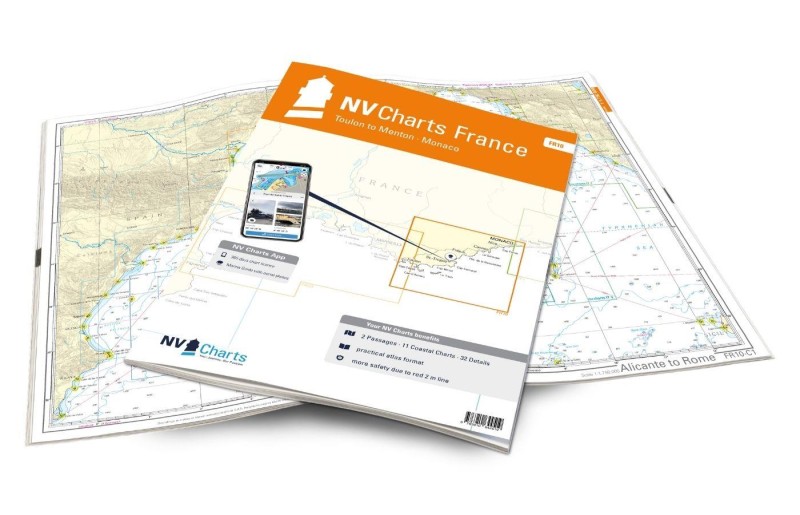 NV Charts France FR10 - Toulon to Menton, Monaco NV Verlag / NV Charts64,99 € incl. VAT, excl. Shipping
 -
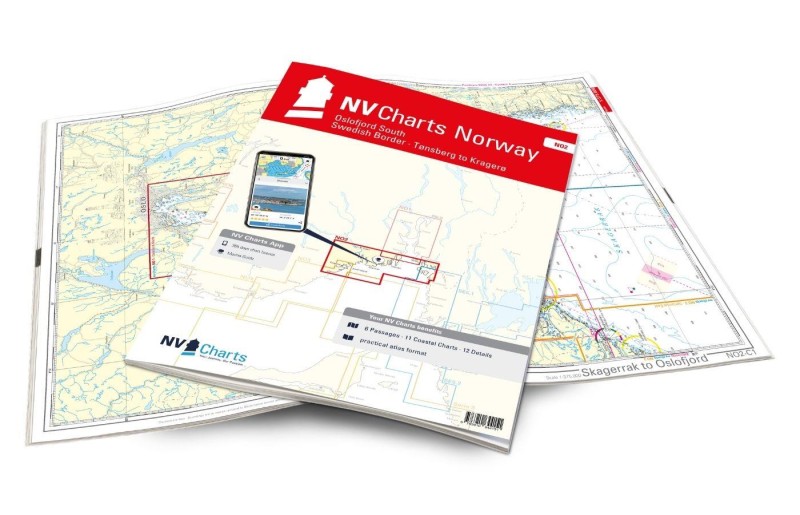 NV Charts Norway NO2 - Oslofjord Sør, Svenska Grensen til Kragerø NV Verlag / NV Charts74,99 € incl. VAT, excl. Shipping
 -
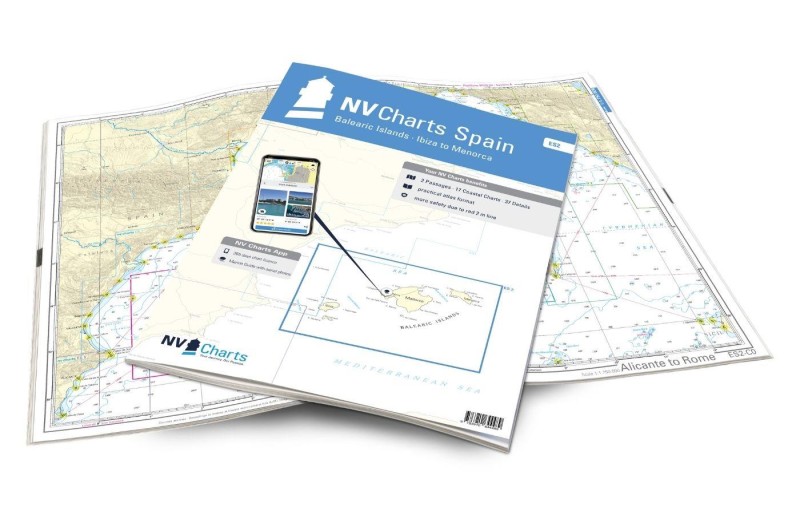 NV Charts Spain ES2 - Balearic Islands, Ibiza to Menorca NV Verlag / NV Charts64,99 € incl. VAT, excl. Shipping
 -
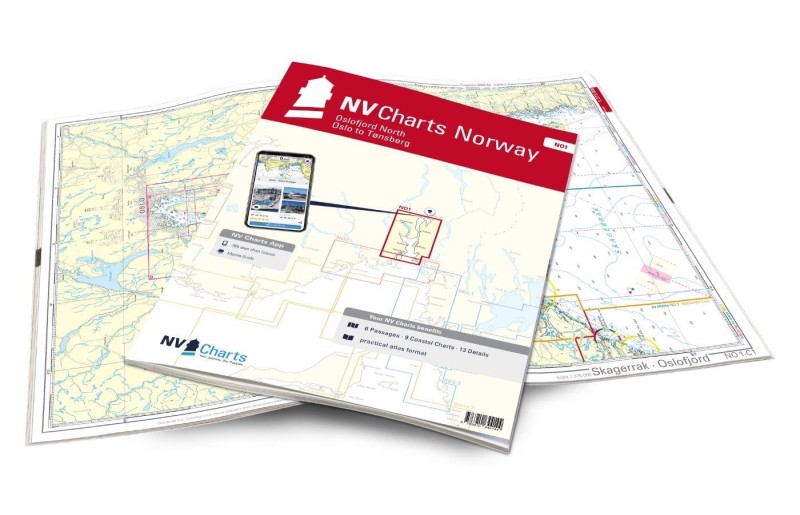 NV Charts Norway NO1 - Oslofjord Nord, Oslo to Tønsberg NV Verlag / NV Charts74,99 € incl. VAT, excl. Shipping
 -
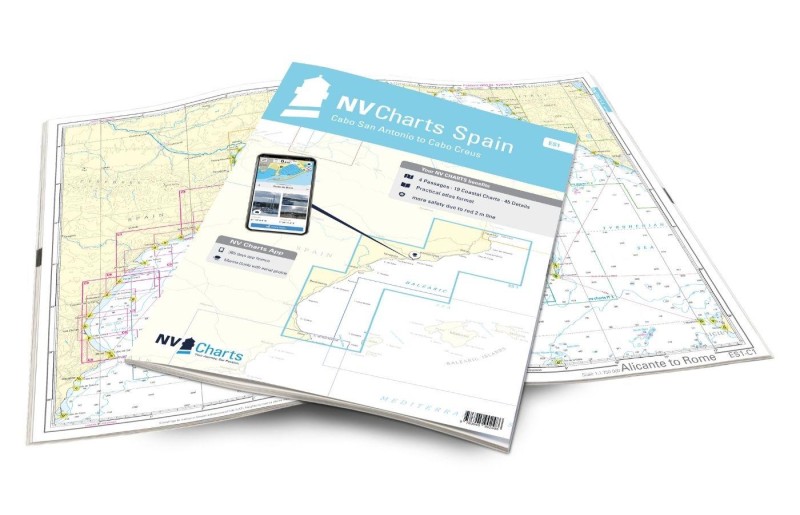 NV Charts Spain ES1 - Cabo San Antonio to Cabo Creus NV Verlag / NV Charts64,99 € incl. VAT, excl. Shipping
 -
 NV Charts Atlantic ATL3 - Atlantic Islands Azores - Madeira, Canary Islands, Cape Verde NV Verlag / NV Charts74,99 € incl. VAT, excl. Shipping
 -
 NV Charts Sverige SE 5.1 - Svenska Västkusten Norra NV Verlag / NV Charts69,90 € incl. VAT, excl. Shipping
 -
-
-
-
-
-
 NV Charts Norway NO3 - Sørlandet East - Kragerø to Kristiansand NV Verlag / NV Charts74,99 € incl. VAT, excl. Shipping
 -
-
-
-
 NV Charts Atlantic ATL1 - English Channel to Vigo NV Verlag / NV Charts74,99 € incl. VAT, excl. Shipping
 -
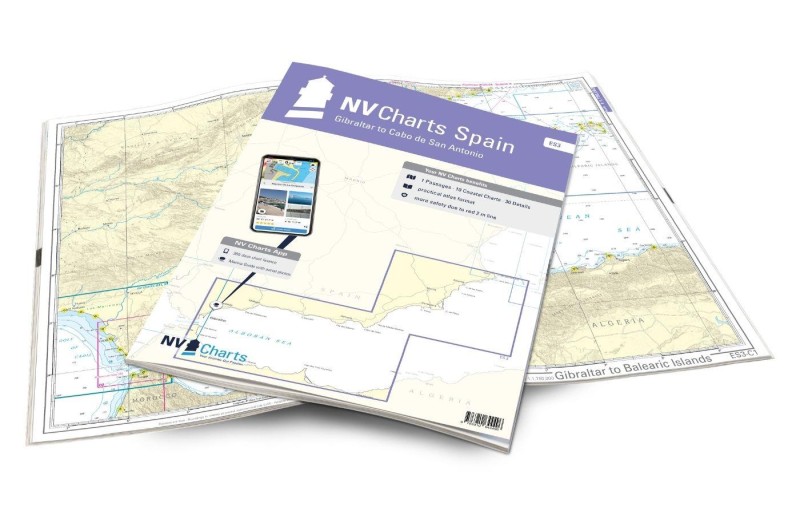 NV Charts Spain ES3 - Gibraltar to Cabo de San Antonio NV Verlag / NV Charts64,99 € incl. VAT, excl. Shipping
 -
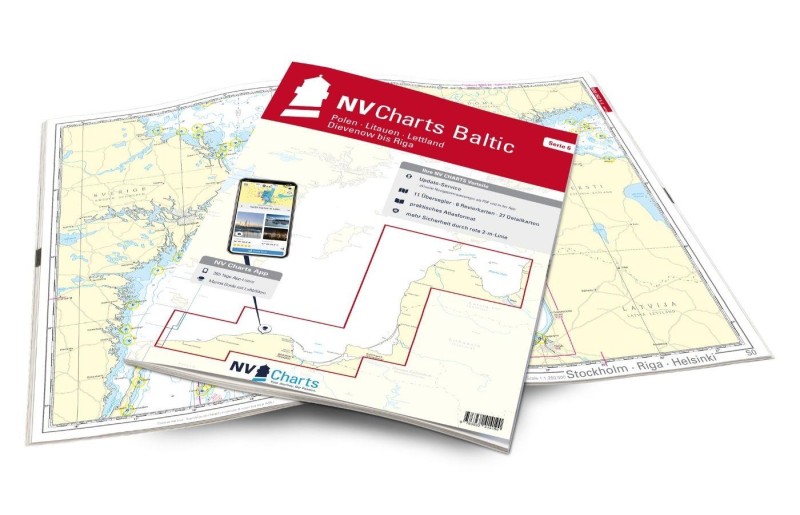 NV Charts Baltic Serie 6 - Polen - Litauen - Lettland NV Verlag / NV Charts94,99 € incl. VAT, excl. Shipping
 -
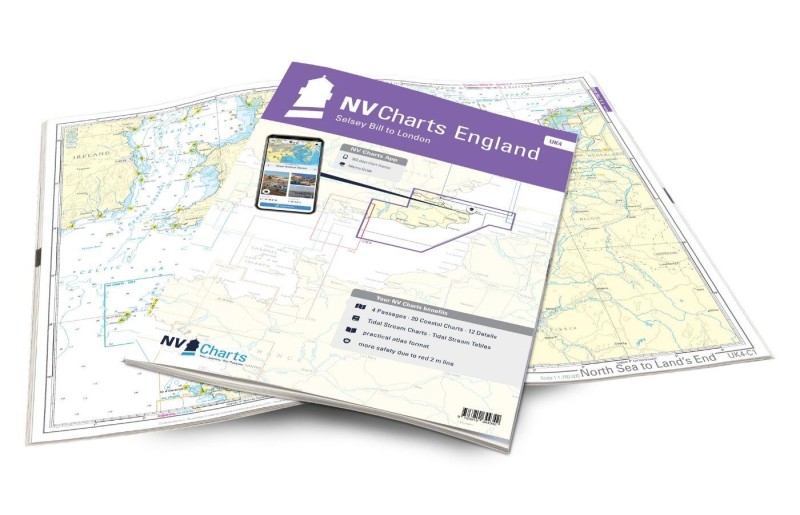 NV Charts England UK4 - Selsey Bill to London NV Verlag / NV Charts64,99 € incl. VAT, excl. Shipping
 -
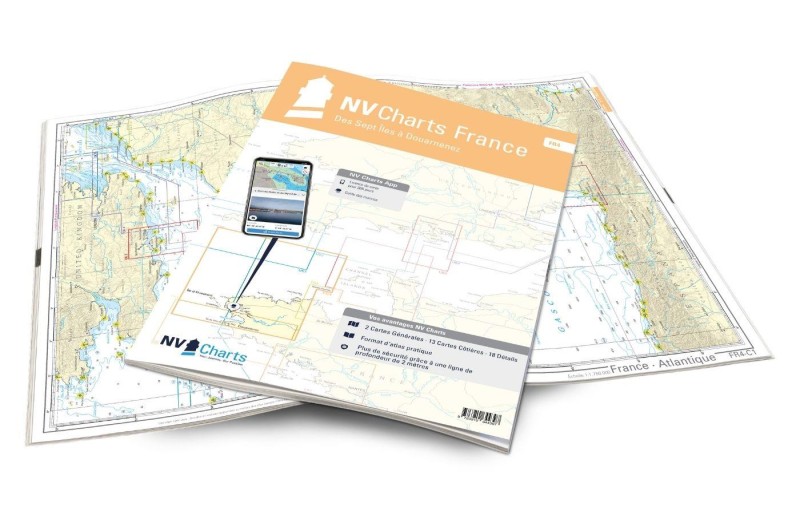 NV Charts France FR4 - Les Sept Isles à Douarnenez NV Verlag / NV Charts64,99 € incl. VAT, excl. Shipping
 -
-
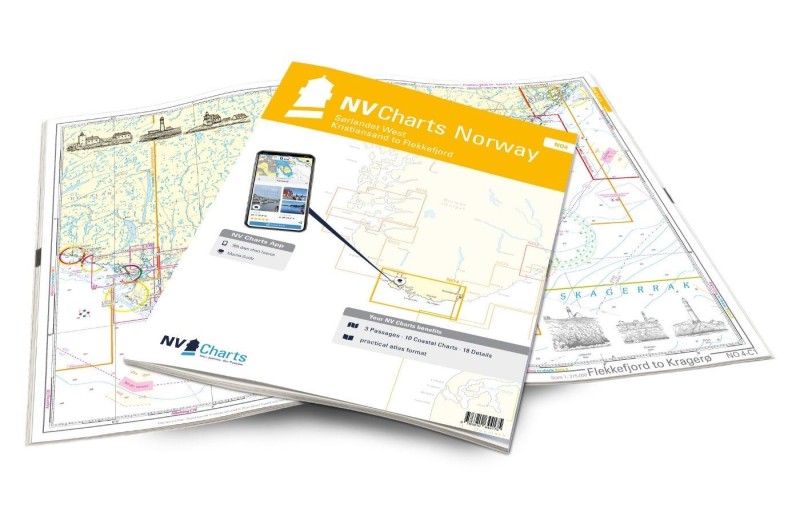 NV Charts Norway NO4 - Sørlandet West - Kristiansand to Flekkefjord NV Verlag / NV Charts74,99 € incl. VAT, excl. Shipping
 -
-
-
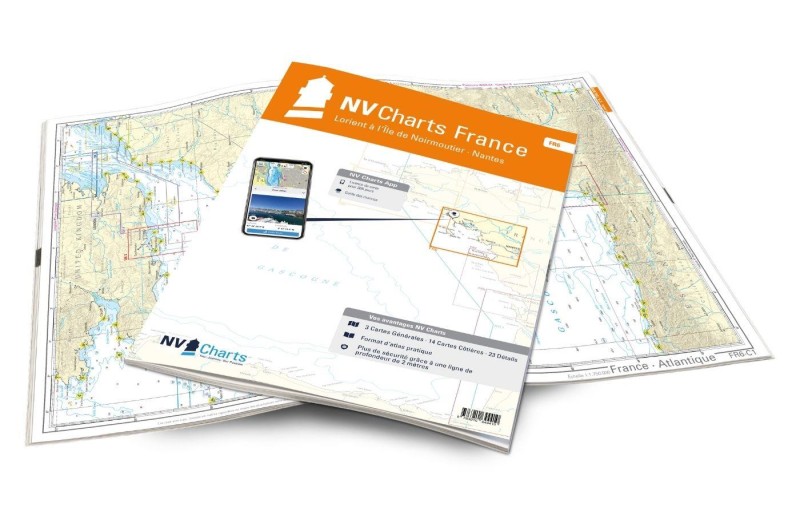 NV Charts France FR6 - Lorient à l`Île de Noirmoutier NV Verlag / NV Charts64,99 € incl. VAT, excl. Shipping
 -
-
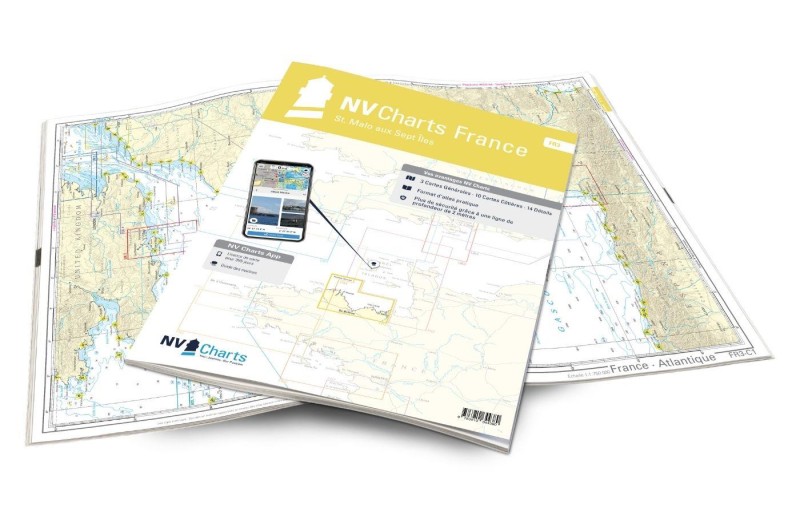 NV Charts France FR3 - St. Malo aux Sept Isles NV Verlag / NV Charts64,99 € incl. VAT, excl. Shipping
 -
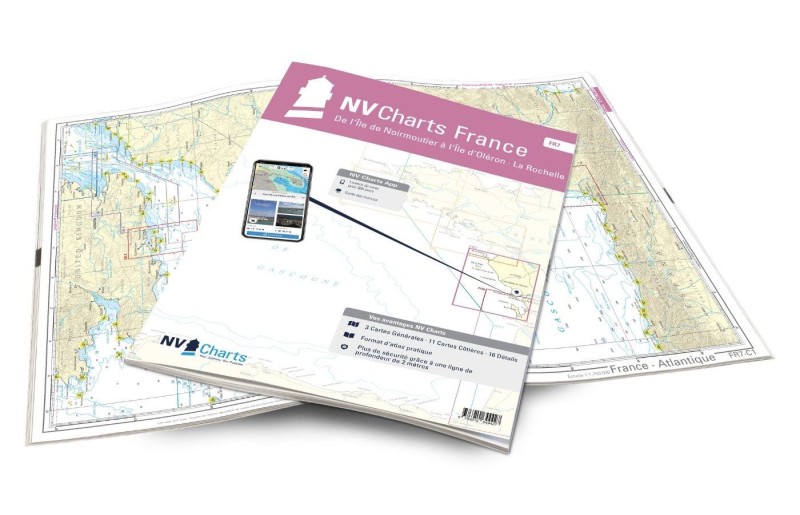 NV Charts France FR7 - Îles de Noirmoutier à Oléron NV Verlag / NV Charts64,99 € incl. VAT, excl. Shipping
 -
-
 NV Charts Pilot 6 - US East Coast, Maine to Caribbean • Bermuda NV Verlag / NV Charts24,99 € incl. VAT, excl. Shipping
 -
-
 NV Charts Baltic Serie 3 Plano - Samsø-Sund-Kattegat NV Verlag / NV Charts74,99 € incl. VAT, excl. Shipping
 -
 NV Charts Baltic Serie 3 - Samsø - Sund - Kattegat NV Verlag / NV Charts74,99 € incl. VAT, excl. Shipping
 -
-
-
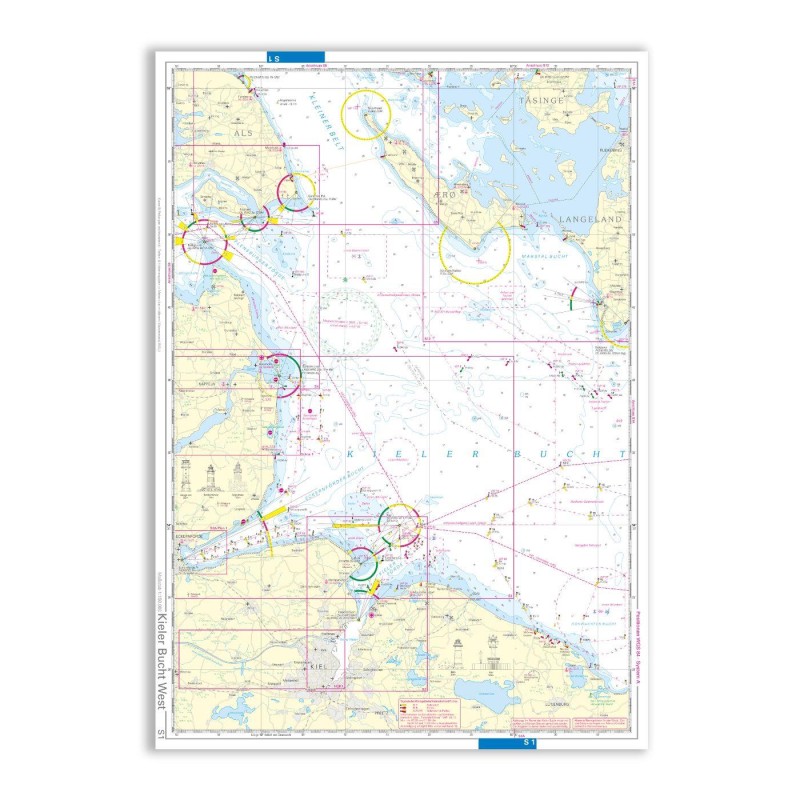
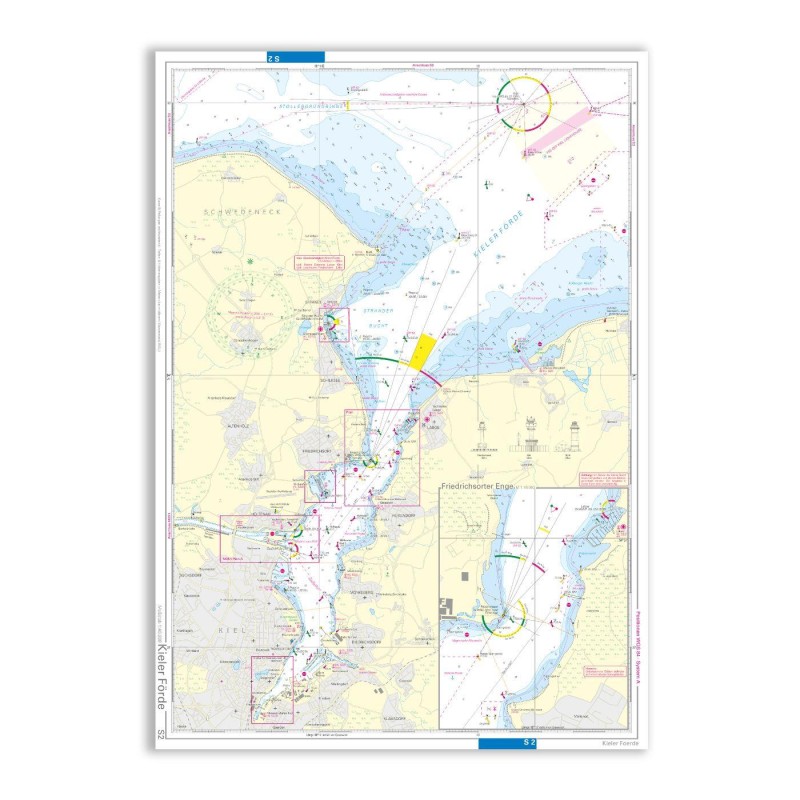 NV Charts Seekarte S2 Kieler Förde, Einzelkarte NV Verlag / NV Charts14,99 € incl. VAT, excl. Shipping
 -
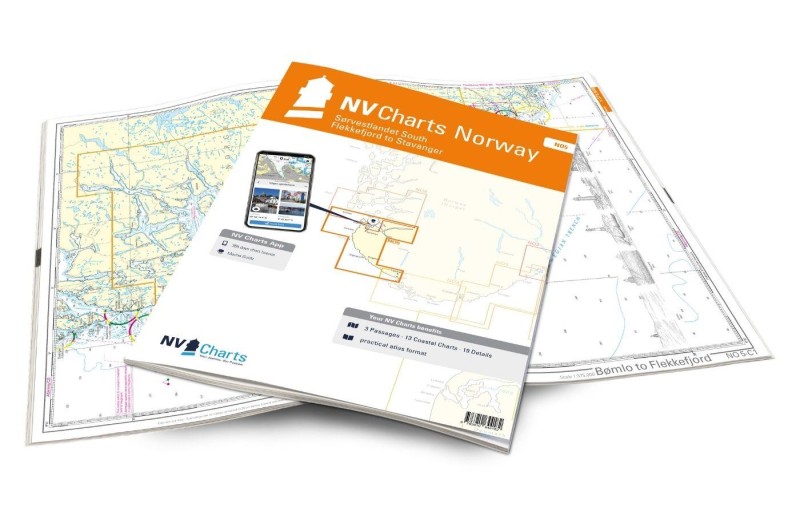 NV Charts Norway NO5 - Sørvestlandet South - Flekkefjord to Stavanger NV Verlag / NV Charts74,99 € incl. VAT, excl. Shipping
 -
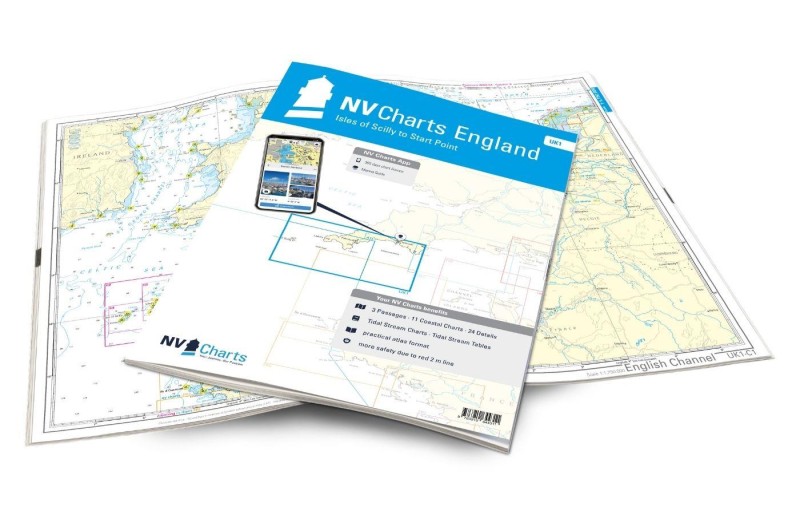 NV Charts England UK1 - Isles of Scilly to Start Point NV Verlag / NV Charts64,99 € incl. VAT, excl. Shipping
 -
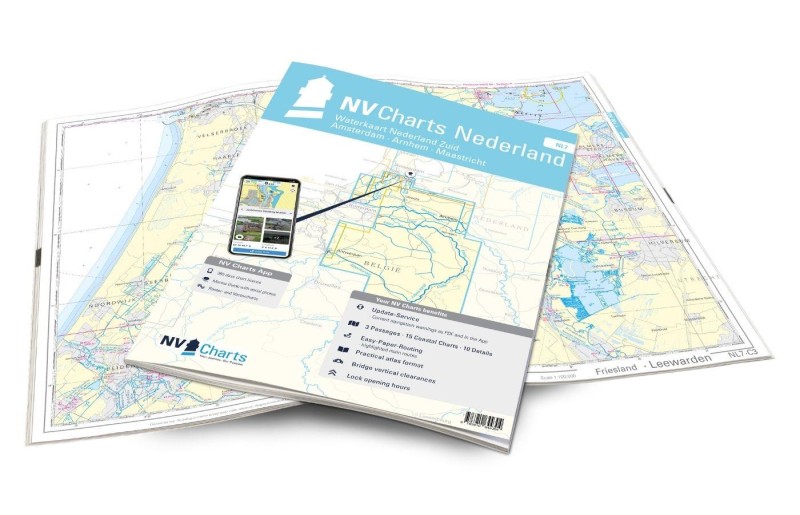 NV Charts Nederland NL7 - Waterkaart Nederland Zuid - Amsterdam - Arnhem - Maastricht NV Verlag / NV Charts64,99 € incl. VAT, excl. Shipping
 -
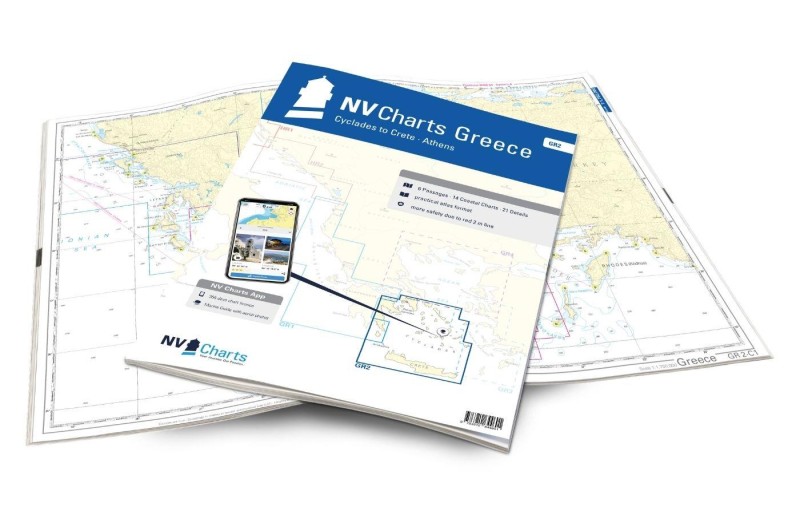 NV NV Charts Greece GR2 - Griechenland Kykladen bis Kreta & Athen NV Verlag / NV Charts74,99 € incl. VAT, excl. Shipping
 -
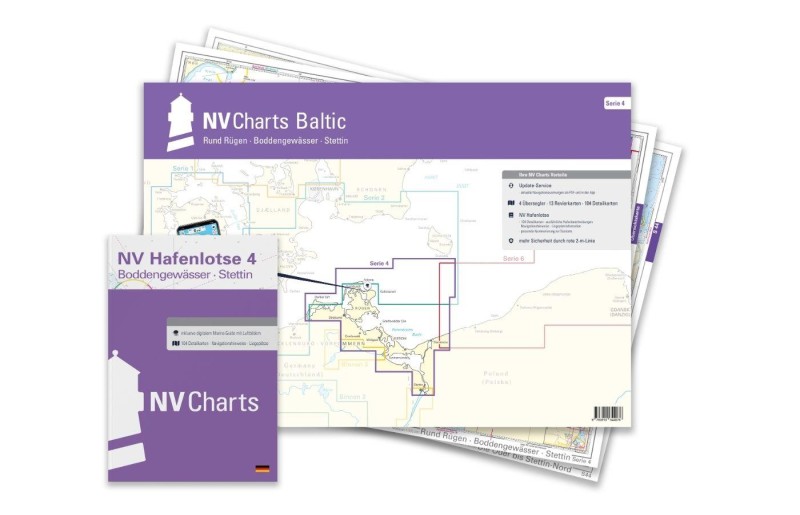 NV Charts Baltic Serie 4 Plano - Rund Rügen - Boddengewässer - Stettin NV Verlag / NV Charts74,99 € incl. VAT, excl. Shipping
 -
-
-
-
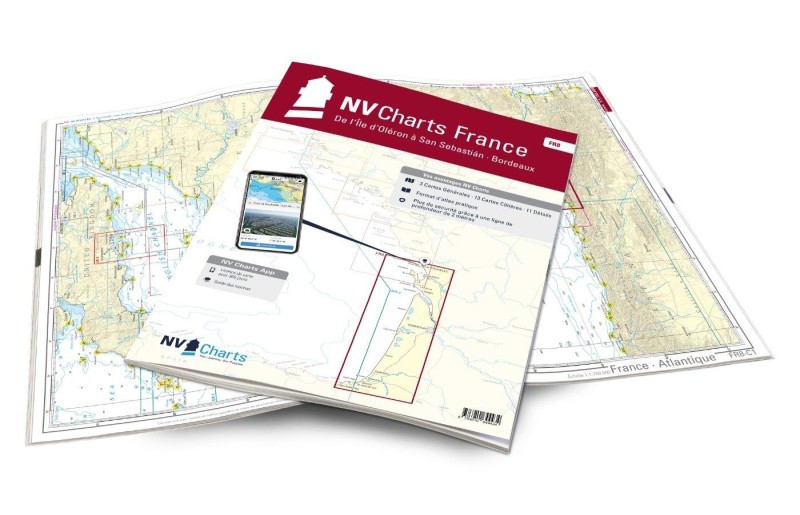 NV Charts France FR8 - Île d'Oléron à San Sebastian NV Verlag / NV Charts64,99 € incl. VAT, excl. Shipping
 -
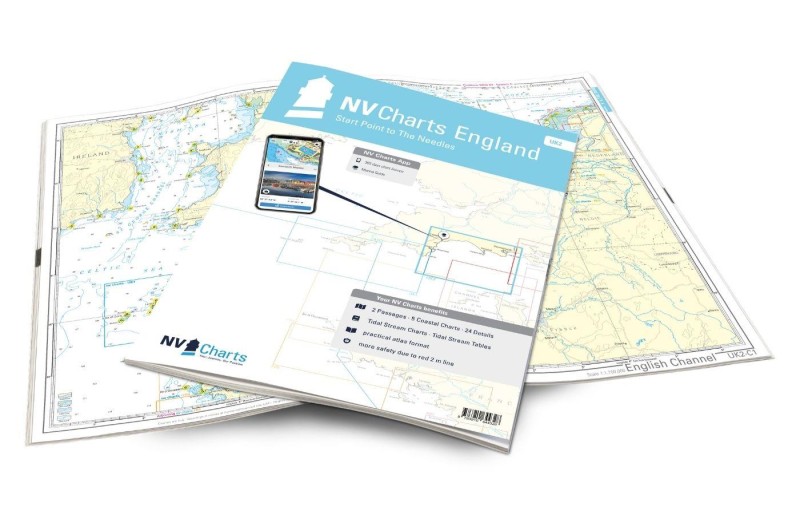 NV Charts England UK2 - Start Point to The Needles NV Verlag / NV Charts64,99 € incl. VAT, excl. Shipping
 -
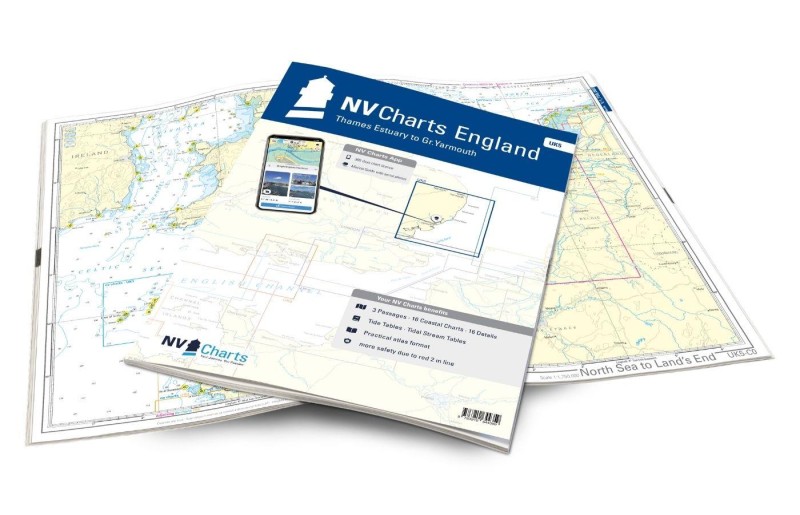 NV Charts England UK5 - Thames Estuary to Great Yarmouth NV Verlag / NV Charts64,99 € incl. VAT, excl. Shipping
 -
-
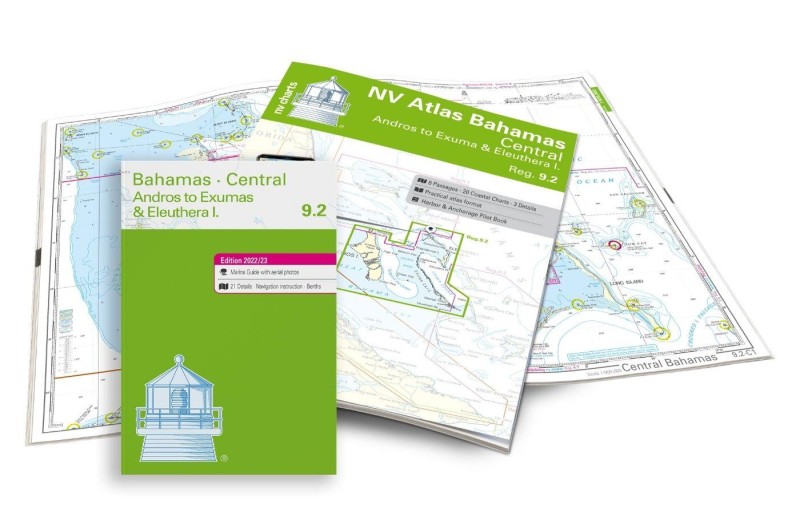 NV Charts Bahamas 9.2 - Central - Andros to Exumas & Eleuthera Islands NV Verlag / NV Charts74,99 € incl. VAT, excl. Shipping
 -
-
-
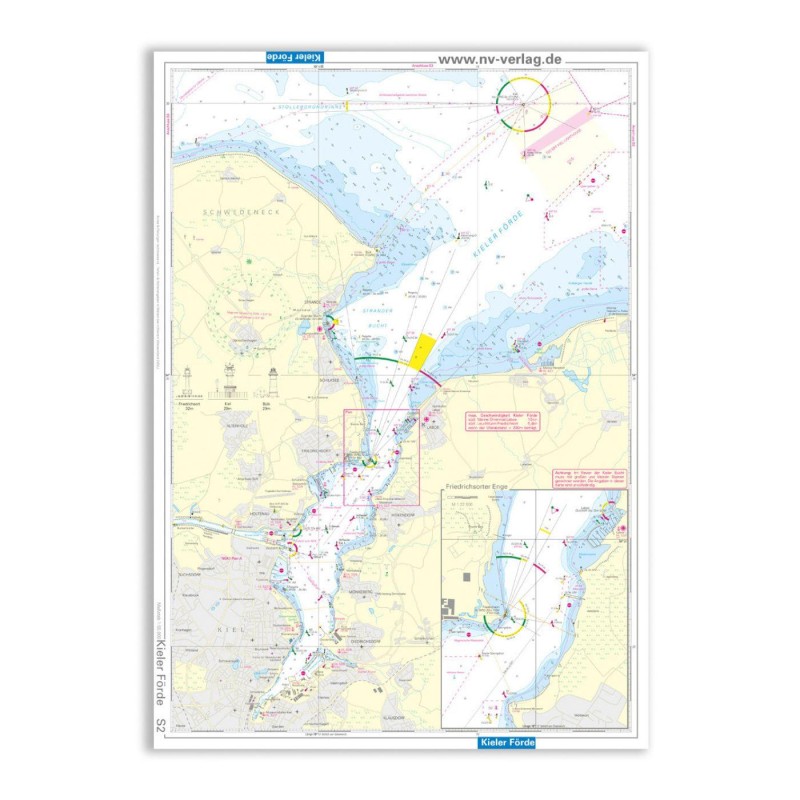 NV Einzelkarte Kieler Förde, Wasserfest / Kunststoff NV Verlag / NV Charts14,99 € incl. VAT, excl. Shipping
 -
-
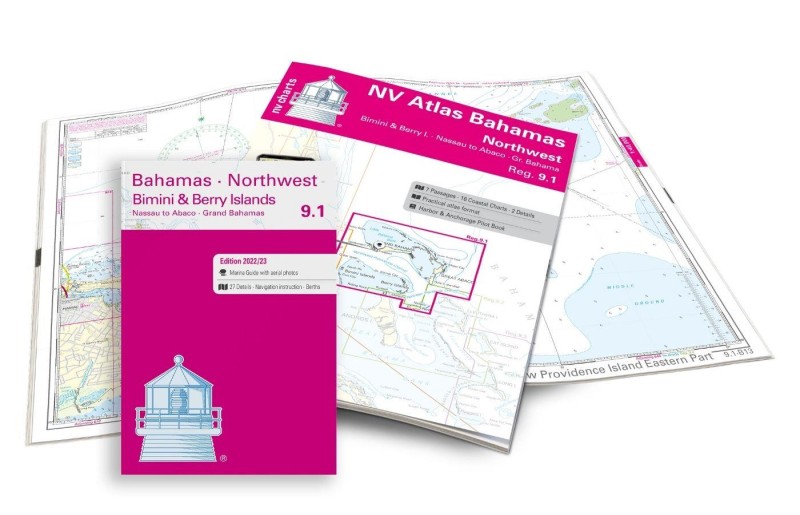 NV Charts Bahamas 9.1 - Northwest - Bimini & Berry Islands - Nassau to Abaco - Grand Bahama NV Verlag / NV Charts74,99 € incl. VAT, excl. Shipping
 -
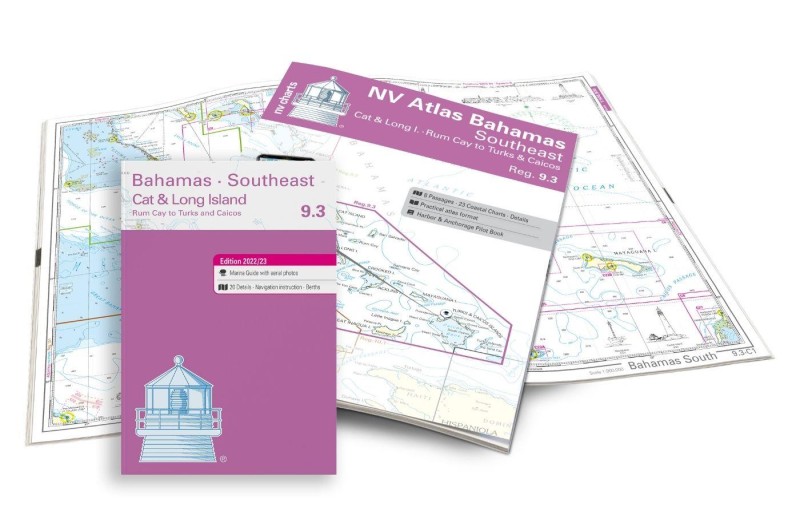 NV Charts Bahamas 9.3 - Southeast, Cat & Long Island - Rum Cay to Turks & Caicos NV Verlag / NV Charts74,99 € incl. VAT, excl. Shipping
 -
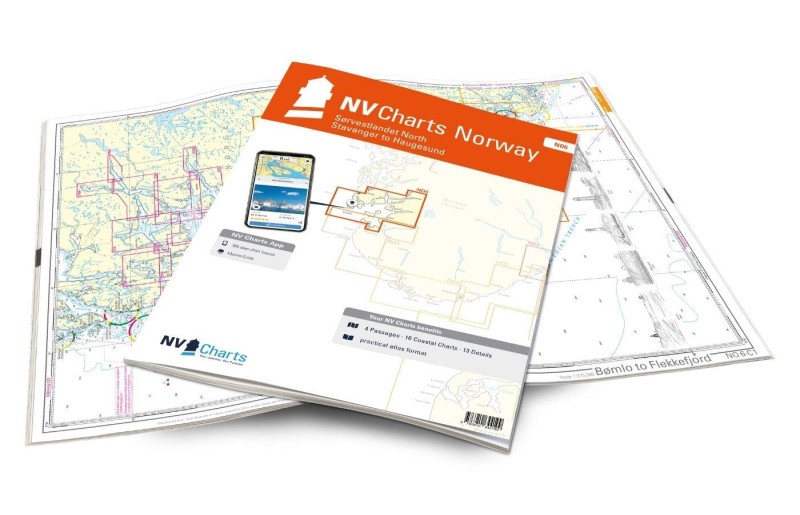 NV Atlas Norway NO6 - Sørvestlandet North - Stavanger to Haugesund NV Verlag / NV Charts74,99 € incl. VAT, excl. Shipping
 -
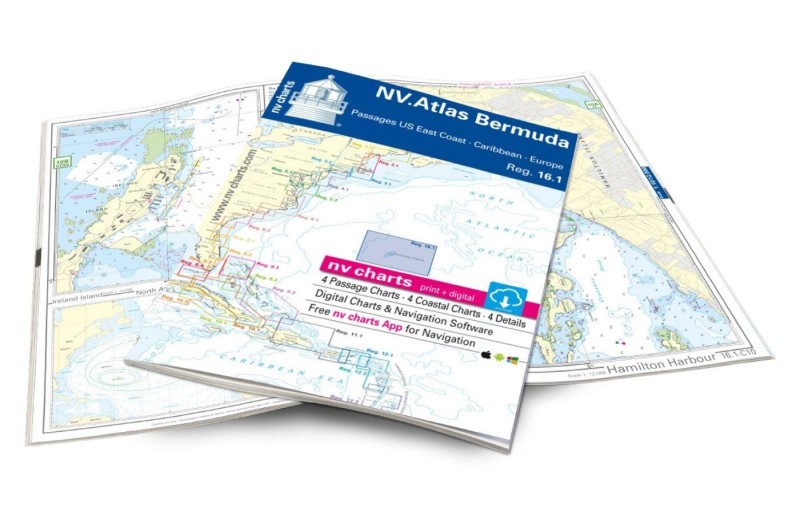 NV Charts Bermuda 16.1 - Passages US East Coast - Caribbean - Europe NV Verlag / NV Charts69,80 € incl. VAT, excl. Shipping
 -
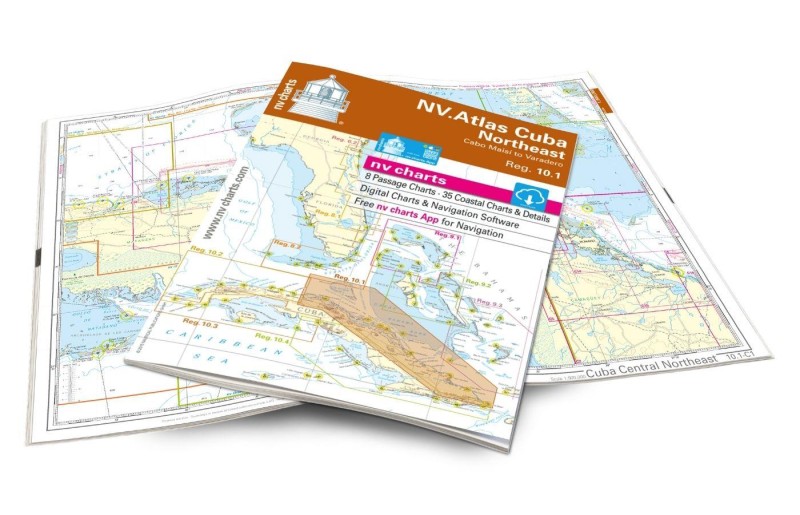 NV Charts Cuba 10.1 - Northeast Cuba, Cabo Maisi to Varadero NV Verlag / NV Charts94,99 € incl. VAT, excl. Shipping
 -
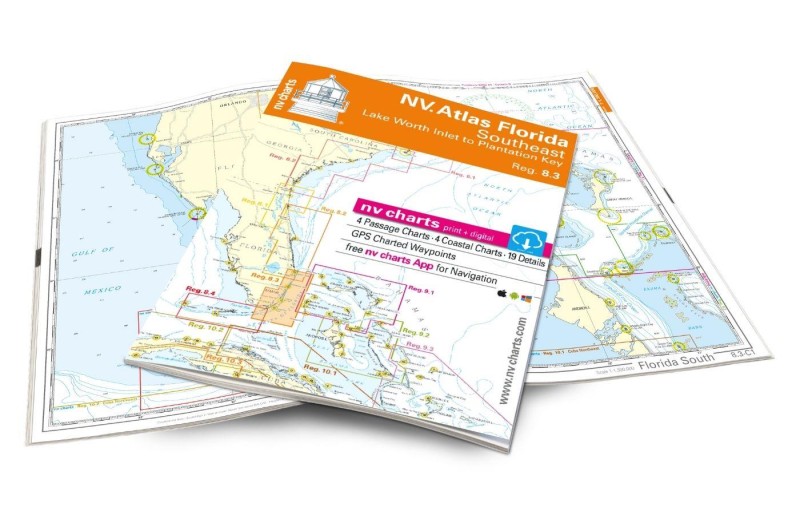 NV Atlas Florida Southeast Reg. 8.3 - Lake Worth Inlet to Plantation Key NV Verlag / NV Charts49,00 € incl. VAT, excl. Shipping
 -
-
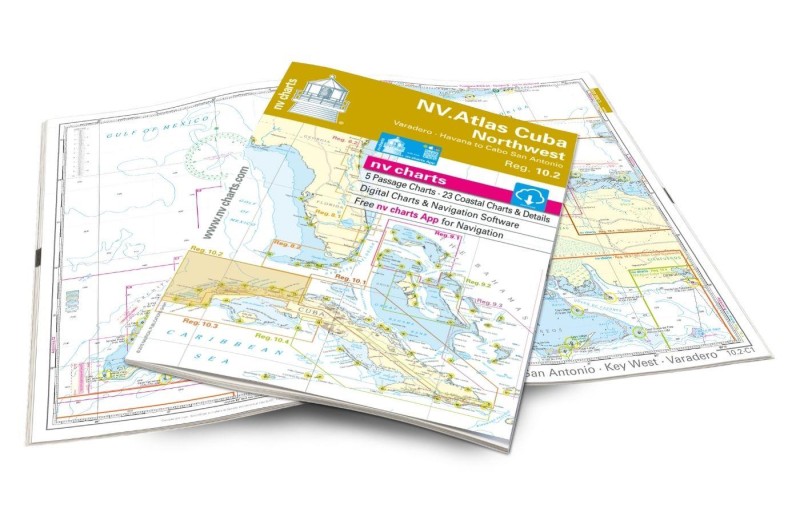 NV Charts Cuba 10.2 - Northwest - Varadero to Cabo San Antonio NV Verlag / NV Charts94,99 € incl. VAT, excl. Shipping
 -
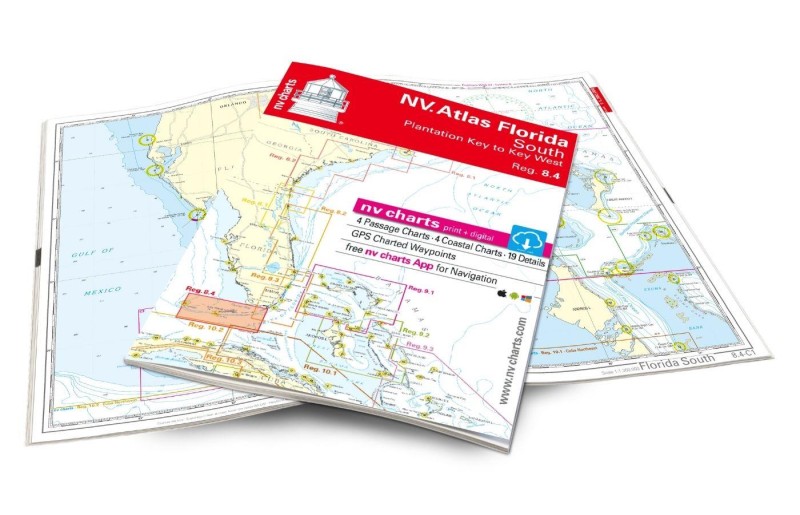 NV Charts Florida 8.4 - South Florida, Plantation Key to Key West NV Verlag / NV Charts49,00 € incl. VAT, excl. Shipping
 -
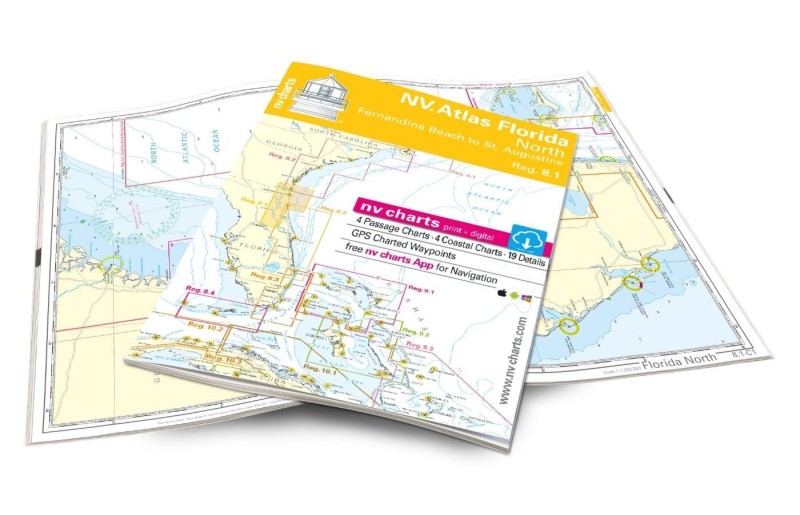 NV Atlas Florida North Reg. 8.1 - Fernandina Beach to St. Augustine NV Verlag / NV Charts49,00 € incl. VAT, excl. Shipping
 -
NV Charts Florida 8.4 - South Florida, Plantation Key to Key West NV Verlag / NV Charts49,00 € incl. VAT, excl. Shipping
-
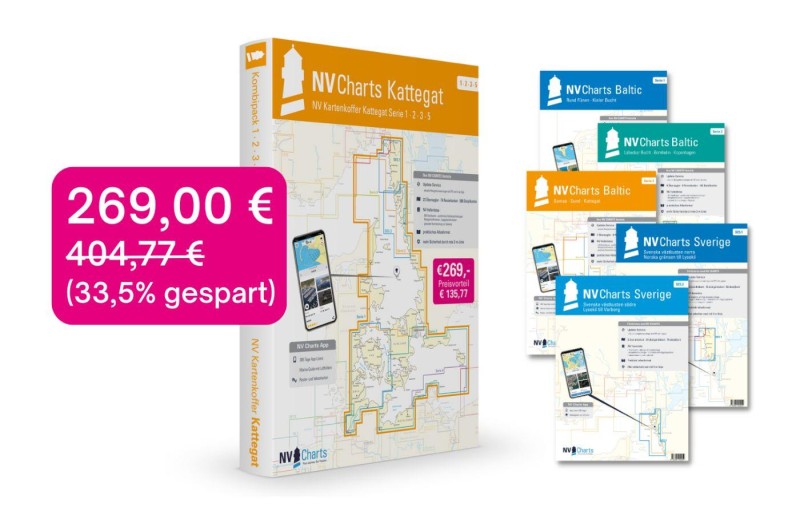 NV Atlas Kartenkoffer Kattegat Serie 1, 2, 3, 5.1, 5.2 NV Verlag / NV Charts269,00 € incl. VAT, excl. Shipping
 -
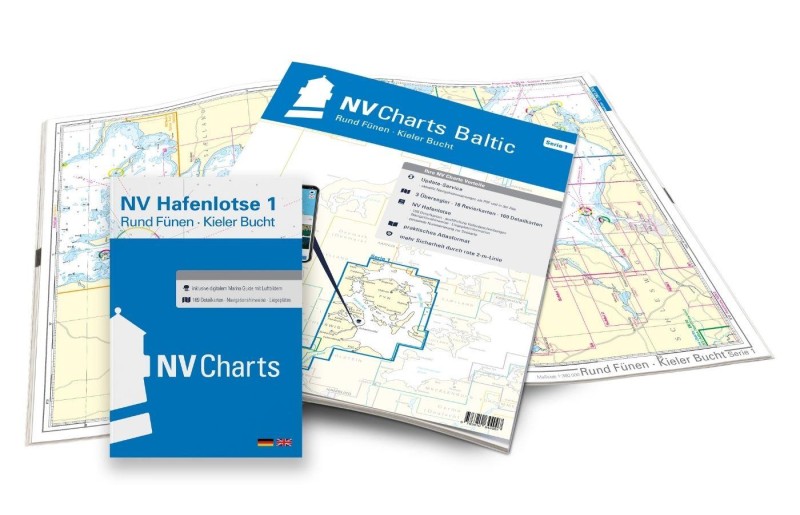 NV Charts Baltic Serie 1, Rund Fünen-Kieler Bucht NV Verlag / NV Charts94,99 € incl. VAT, excl. Shipping
 -
-
-
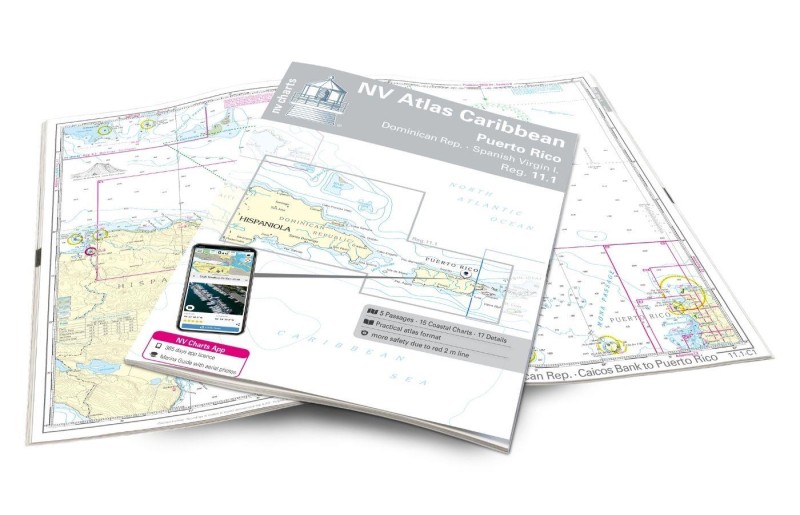 NV Charts Caribbean 11.1 - Puerto Rico - Dominican Republic - Spanish Virgin Islands NV Verlag / NV Charts94,99 € incl. VAT, excl. Shipping
 -
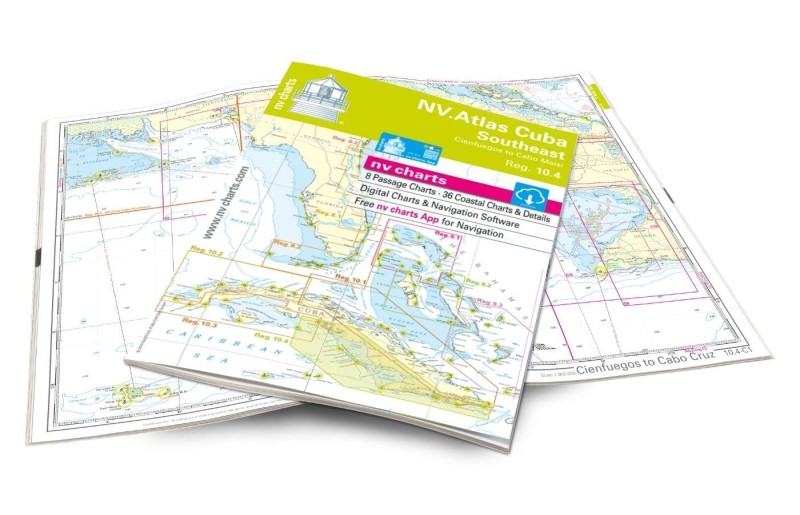 NV Charts Cuba 10.4 - Southeast - Trinidad to Cabo Maisi NV Verlag / NV Charts94,99 € incl. VAT, excl. Shipping

Places nearby



Related Regions
This location is included in the following regions of the BoatView harbour guide:
 WhatsApp
 Facebook
 E-Mail
 Copy
Copy
No comments or ratings have been added to this POI.