Nakskov
Marina near Nakskov

Latitude
54° 49’ 44” NLongitude
11° 8’ 6.3” EDescription
Trade port at the eastern end of Nakskov Fjord.
NV Cruising Guide
Navigation
The approach is via the very narrow, buoyed and lit fairway of Nakskov Fjord. At night you need a searchlight because of the many unlit buoys.
Berths
Guests will find central moorings in the commercial harbour, south-east of the harbour office at 4.5m, which is hardly used by commercial shipping. The priv. jetties in the outer harbour are occupied by local boats.
Surroundings
In the village at the harbor are good supplies, also a small boatyard and fuel. Modern sanitary facilities.
NV Land Guide
There are few Danish towns that have been so badly affected by fires and wars over the centuries as Nakskov. Nearly the entire town was a prey to flames in 1420. Only 90 years later, when the town had just recovered from this catastrophe, the Lübeckers set fire to the harbour town. The citizens thought they were safe from the attacks of the Hanseatic League because King Hans had Engelsburg Castle and a fortified dockyard for warships built on the offshore island of Slotø to protect the city. But according to the tale, something happened that no one had expected: the Hanseatic fleet approached the fortress from the south in a previously unknown channel. The heavy cannons of Engelsburg, however, pointed to the north, to where the enemy was actually expected. The fleet calmly took the castle under fire (the ruins of Engelsburg can still be seen today) and then sailed unmolested to plunder Nakskov. Paradoxically, however, it was the piratical Hanseatic League that had previously brought the town its prosperity. The North Germans supplied themselves here cheaply with agricultural products and bought up the herring catches (see also Albuen). The Hanseatic League regarded with suspicion attempts by Danish shipmen to sell their goods on the German markets on their own initiative. They saw their position of power endangered: piracy and pillaging of the Lübeckers were the result. Nakskov was slow to recover from these raids, especially as another fire in 1528 caused severe damage to the town.
Although the popular trading town was developed into one of Denmark's strongest fortresses after the Hanseatic raids, it surrendered without a fight to the Swedes who had come across the ice in 1658. When the Swedes returned the following year, the town thought it was better prepared and risked the fight. After several months of siege, the victorious Swedes completely plundered the town and partially destroyed it.
With 17,000 inhabitants, Nakskov is today the largest town on Lolland. Considering that it was razed to the ground several times, its old core still has a surprising amount of atmosphere to offer. However, this is really only true for the old town and its outskirts, as the rest of the town is dominated by industry. One of the largest sugar factories in Northern Europe can be recognized by the huge white silos in the east of the city. The area around the port is largely dominated by shipyards, loading cranes, factory buildings and dry docks. Still, you're not badly situated in the middle of it all, on the long northern quay because of its close proximity to the city centre.
The almost semi-circular layout of the centre's streets betrays the location of the long-gone rampart system. On your tour of the city, you should seek out the market square (Axeltorv). From the harbour you can get there via Farveren Stræde or Badstuenstræde. The signpost is the all-surpassing church, which also serves as a landmark as you make your way through the narrow streets and pretty backyard passages.
The market is lined with buildings, each of which is more than 100 years old. These include the town hall, last rebuilt in 1875, an eye-catching feature on Axeltorv. In the middle of the market square stands the equestrian statue of King Christian X. A cosy pub atmosphere can be experienced at Vinkælderen on the market square, an inn that has been in existence for 100 years. When the sun is shining, the restaurant's courtyard garden is a particularly snug spot.
St Nicolai Church, dedicated to the Saints of the Seafarers, dates from the 13th century but was last rebuilt in 1653. Worth seeing inside are the altarpiece made by Anders Mortensen in 1656, the pulpit made by Jörgen Ringius in 1630 and the baptismal font drawn by Lorentz Frölich in 1857. Lorentz Frölich, incidentally, illustrated several of Hans Christian Andersen's adventures. Whoever was responsible for the unusual money box of the church was not allowed to lose the bunch of keys, because then five locks of the box, which was made in 1573, had to be overcome at once. The cannonball, which can be seen in the choir vault, hit the vault in 1659 during a church service. The projectile had been fired by the Swedish besiegers. The fact that no one was harmed was seen as a sign of a higher place.
The Löwenapotheke on Axeltorv received its baroque façade in 1777, making it the oldest shop in the city. In 1645, leeches and medicinal herbs were sold here.
Theisens Gård, one of Nakskov's oldest merchants' warehouses, stretches from the market almost to the harbour. The old warehouses are the real gems of the town. Many of the long, half-timbered buildings have been converted into homes or cosy pubs.
One of the best-known warehouses is the carefully restored Dronningens pakhus from 1589. The half-timbered building in Dronningenstræde was used by the widow queen Sophie to ship grain. As Frederik II's widow, she had received the royal estates on Lolland and Falster so that her pension was secure. The royal granary is also Nakskov's oldest secular building. It is a reminder of a time when Nakskov grew to be one of the most important towns in the kingdom. In terms of population it was the seventh largest town in Denmark until the Swedes ended the prosperity. Trade did not revive again until after 1667, when Nakskov was declared a staple town for the whole of Lolland. But the island metropolis could not hold this position for long, because the farmers and many a nobleman preferred to export via the cheap "pirate ports". As early as 1682, Nakskov was deprived of the title of monopoly port.
With around 1800 employees, the shipyards are Nakskov's most important employers today, high unemployment figures during shipyard crises are therefore the consequence.
Whoever would like to have a look at the Jewish cemetery can get the key for it at the tourist office. It dates from around 1700, when Jews were allowed to settle in Denmark. The cemetery is no longer in use.
The inner firth is touted as a state preserve. From observation stands at the edge of the walking paths, the species-rich bird life can be viewed. "Svingelen" is the name of the town's park-like woodland.
The old smithy at 21 Tilegade is set up as a working museum. Retired blacksmiths demonstrate here what work was associated with their craft in the past, how tools were made and used, for example.
Nakskov's present history is the theme of changing exhibitions at Jernbanegade 8, with pictures and texts depicting life in the fjord town from 1900 to 1949.
Until 2011, the 76m-long Russian submarine U359 from 1953 could be seen here. Sadly, it had to be scrapped in 2011. It was also such a 'Whiskey-V' class boat that ran aground in Swedish waters in 1981.
Sports boaters who want to put their feet up for a day and still learn more about the Nakskov fjord should make their way to the Post Boat jetty in Harbour Street at 9.15am on a weekday. The boat usually makes stops at Slotø, Vejlø, Enehøje and Albuen. Instead of returning by mail boat, you can also walk inland along the Albuen headland and then take the bus back to Nakskov. This excursion is especially recommended for those whose yacht has too much draft to sail to Albuen. When planning the trip, it should be taken into account that the mail boats do not run on Sundays.
Whoever wants to visit the islands of the Smålands fairway from Nakskov has another opportunity to stock up on provisions in the small town. There are plenty of shopping opportunities in the pedestrian zone.
The Halstedt Monastery, five kilometres to the east, is a good destination for an excursion in the area. The old monastery garden is open to the public. Sølvbjerghøj, found about seven kilometres south of Nakskov in Munkeby, was the scene of the last public execution in Denmark in 1882. Anders Sjællænder was executed here with an axe for the murder of the egg merchant Svenkeren.
Marina Information
| Max Depth | 3 m |
Contact
| Phone | +45 54 67 73 32 |
| Please enable Javascript to read | |
| Website | http://lollandhavne.dk |
Surroundings

Electricity

Water

Toilet

Shower

Restaurant

Imbiss

Crane

Atm

Internet

Fuel

Diesel

Grocery

Boatyard

Ramp

Public Transport

Bikerental

Garbage
Comments


You can add comments with the NV Charts App (Windows - iOS - Android - Mac OSX).
You can download the current version at nvcharts.com/app.
Buy nv charts covering this place Clicking one of the products will open the nv charts shop.
-
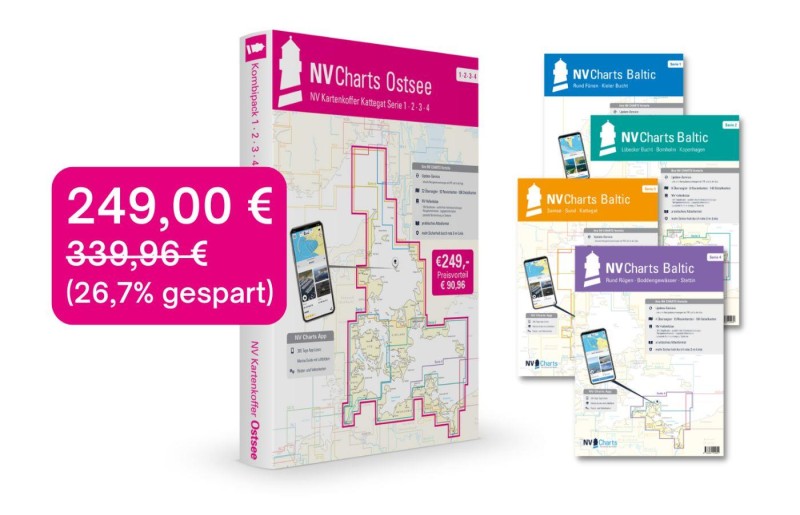 NV Charts Kartenkoffer Ostsee Serie 1, 2, 3, 4 NV Verlag / NV Charts249,00 € incl. VAT, excl. Shipping
 -
 NV Charts Nordsee DE13 - Ostfriesland, Borkum bis Helgoland & Ems NV Verlag / NV Charts64,99 € incl. VAT, excl. Shipping
 -
 NV Charts Nordsee DE12 - Weser, Bremen bis Helgoland & Jade NV Verlag / NV Charts64,99 € incl. VAT, excl. Shipping
 -
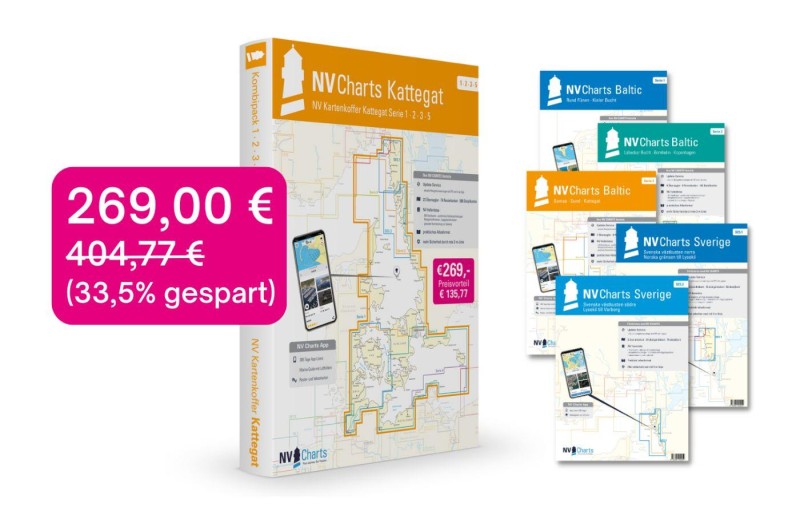 NV Atlas Kartenkoffer Kattegat Serie 1, 2, 3, 5.1, 5.2 NV Verlag / NV Charts269,00 € incl. VAT, excl. Shipping
 -
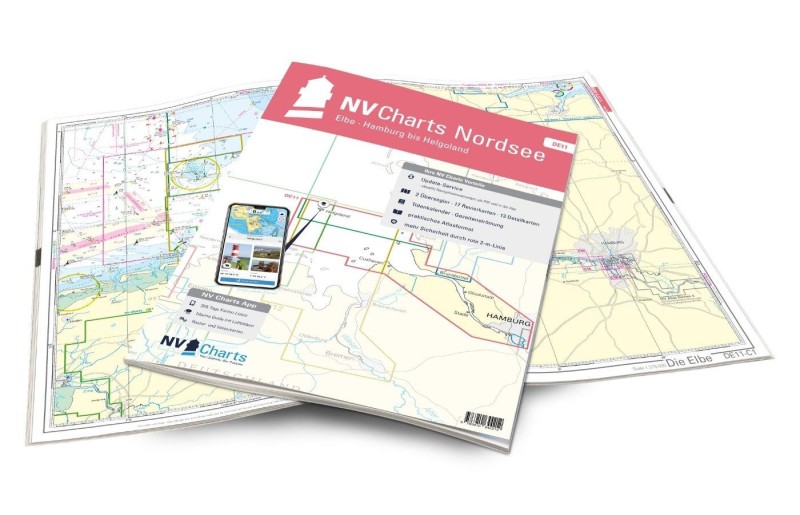 NV Charts Nordsee DE11 - Elbe, Hamburg bis Helgoland NV Verlag / NV Charts64,99 € incl. VAT, excl. Shipping
 -
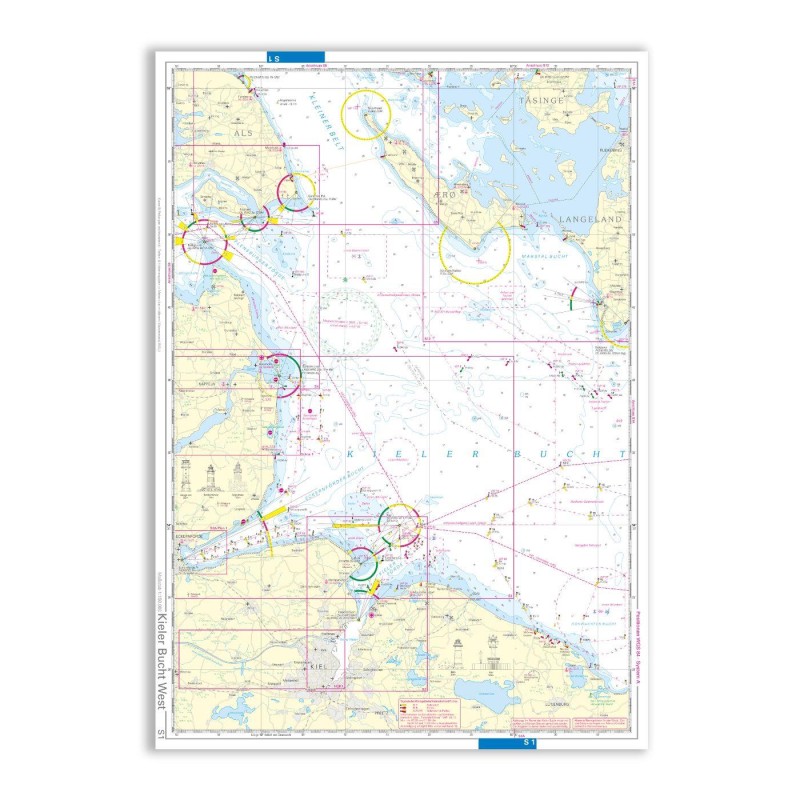
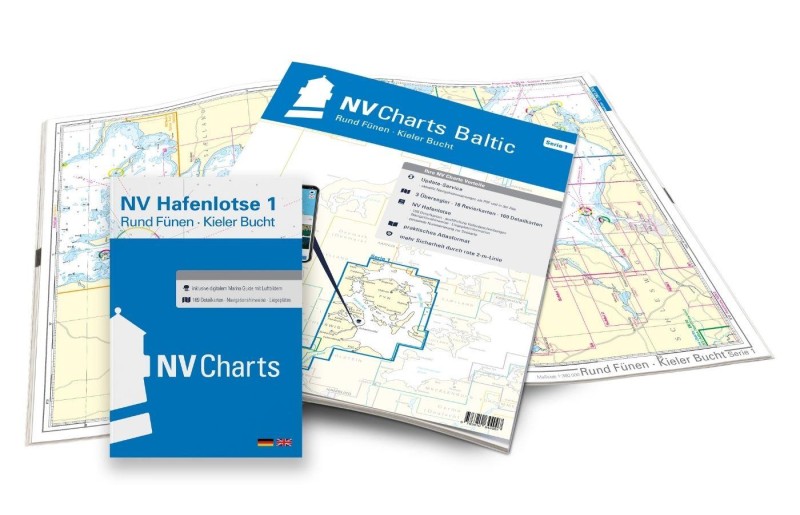 NV Charts Baltic Serie 1, Rund Fünen-Kieler Bucht NV Verlag / NV Charts94,99 € incl. VAT, excl. Shipping
 -
-
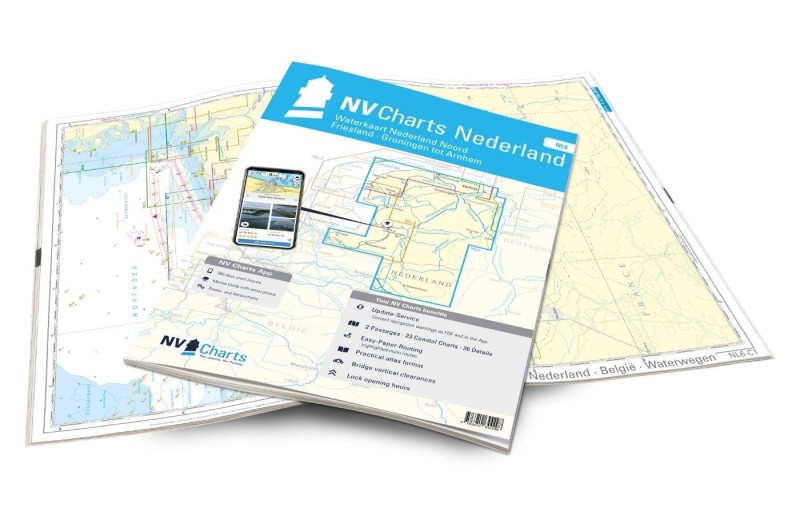 NV Charts Nederland NL6 - Waterkaart Nederland Noord - Friesland - Groningen tot Arnhem NV Verlag / NV Charts64,99 € incl. VAT, excl. Shipping
 -
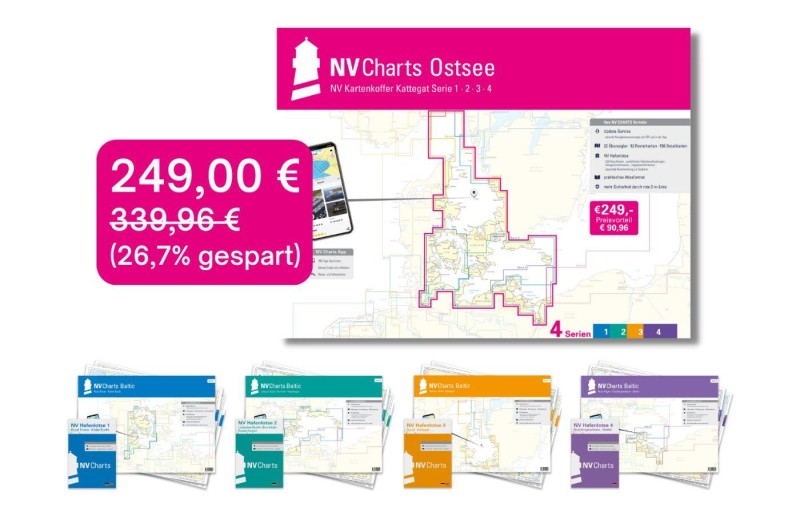 NV Charts Baltic Plano Kartenkoffer Ostsee Serie 1, 2, 3, 4 NV Verlag / NV Charts249,00 € incl. VAT, excl. Shipping
 -
 NV Charts Baltic Serie 4 Rund Rügen - Boddengewässer - Stettin NV Verlag / NV Charts74,99 € incl. VAT, excl. Shipping
 -
 NV Atlas Nordsee DE10 - Nordfriesland, Sylt bis Helgoland & Eider NV Verlag / NV Charts64,99 € incl. VAT, excl. Shipping
 -
 NV Charts Nederland NL3 - IJsselmeer, Markermeer en Randmeeren NV Verlag / NV Charts64,99 € incl. VAT, excl. Shipping
 -
-
 NV Atlas Croatia HR2 - Vodice to Dubrovnik & Montenegro NV Verlag / NV Charts64,99 € incl. VAT, excl. Shipping
 -
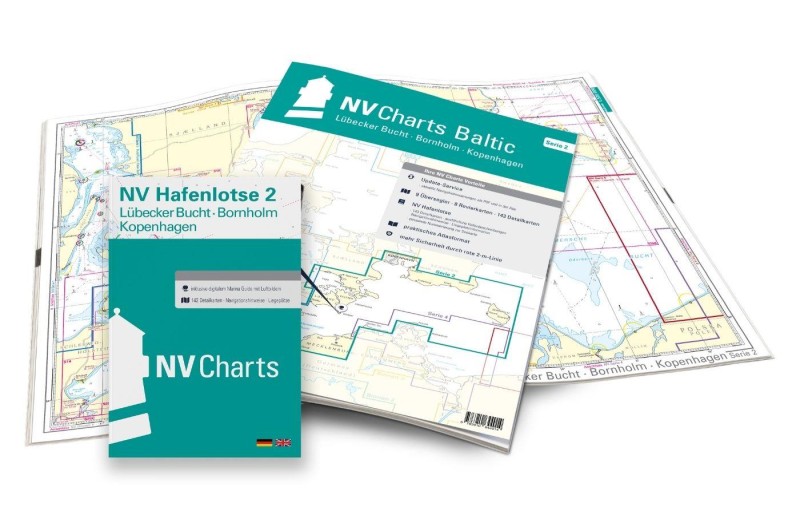 NV Charts Baltic Serie 2 Lübecker Bucht - Bornholm - Kopenhagen NV Verlag / NV Charts94,99 € incl. VAT, excl. Shipping
 -
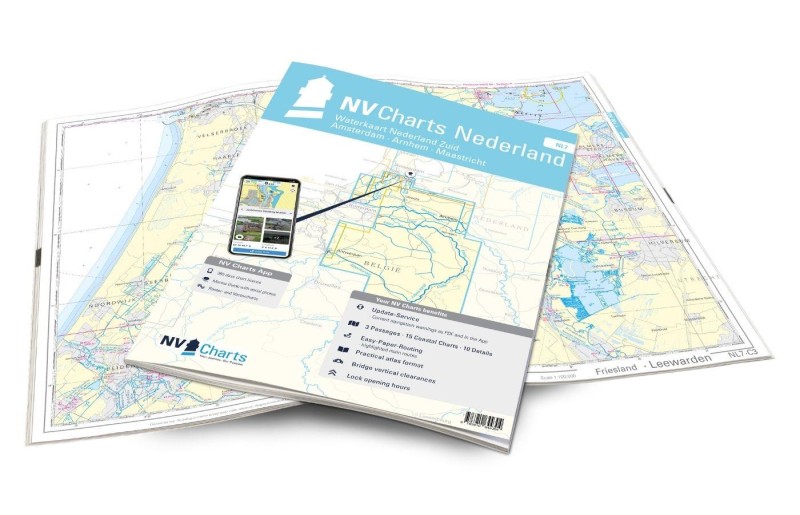 NV Charts Nederland NL7 - Waterkaart Nederland Zuid - Amsterdam - Arnhem - Maastricht NV Verlag / NV Charts64,99 € incl. VAT, excl. Shipping
 -
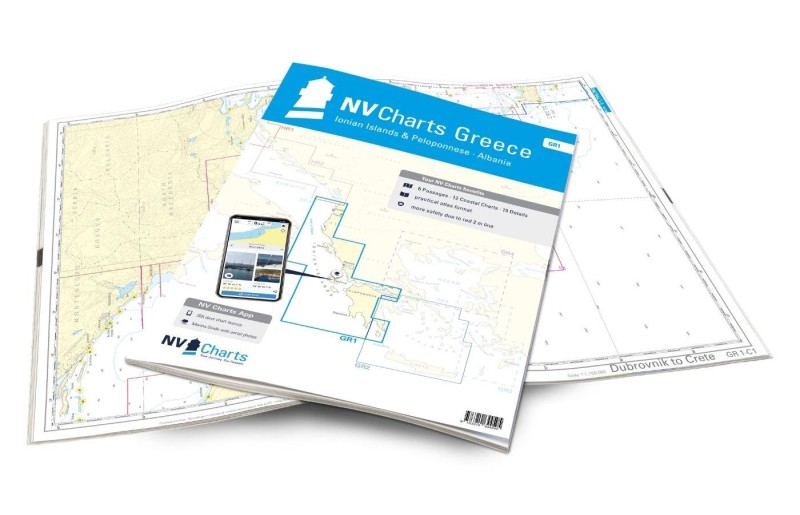 NV Charts Greece GR1 - Griechenland Ionische Inseln & Peloponnes - Albanien NV Verlag / NV Charts74,99 € incl. VAT, excl. Shipping
 -
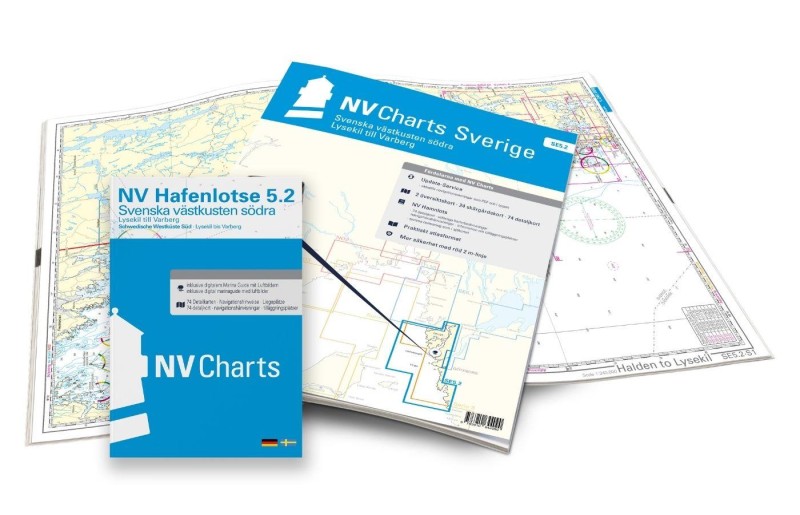 NV Charts Sverige SE 5.2 - Svenska Västkusten Södra NV Verlag / NV Charts69,90 € incl. VAT, excl. Shipping
 -
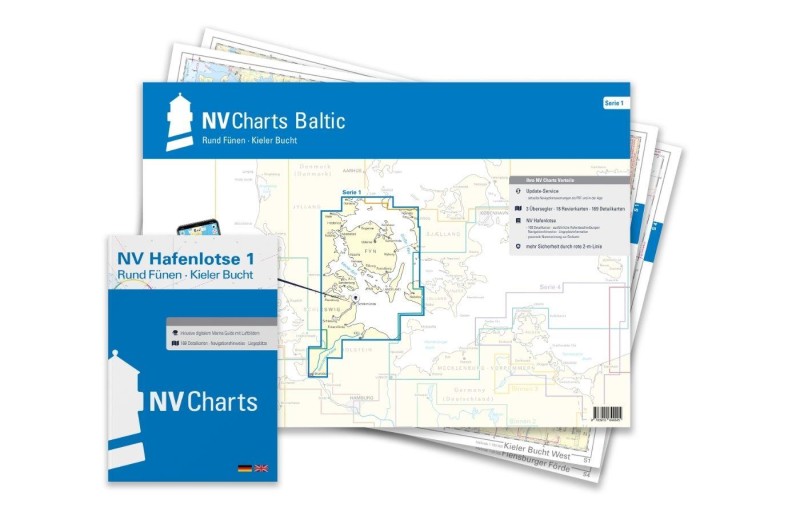 NV Plano Baltic Serie 1, Rund Fünen-Kieler Bucht NV Verlag / NV Charts94,99 € incl. VAT, excl. Shipping
 -
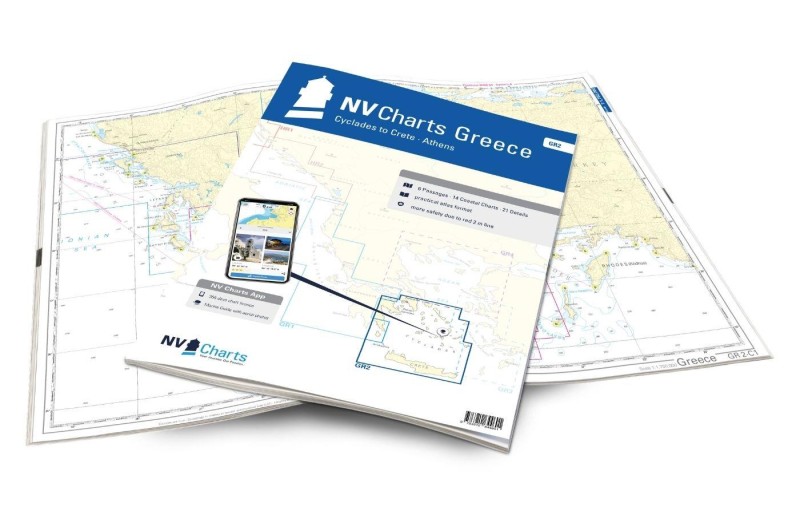 NV NV Charts Greece GR2 - Griechenland Kykladen bis Kreta & Athen NV Verlag / NV Charts74,99 € incl. VAT, excl. Shipping
 -
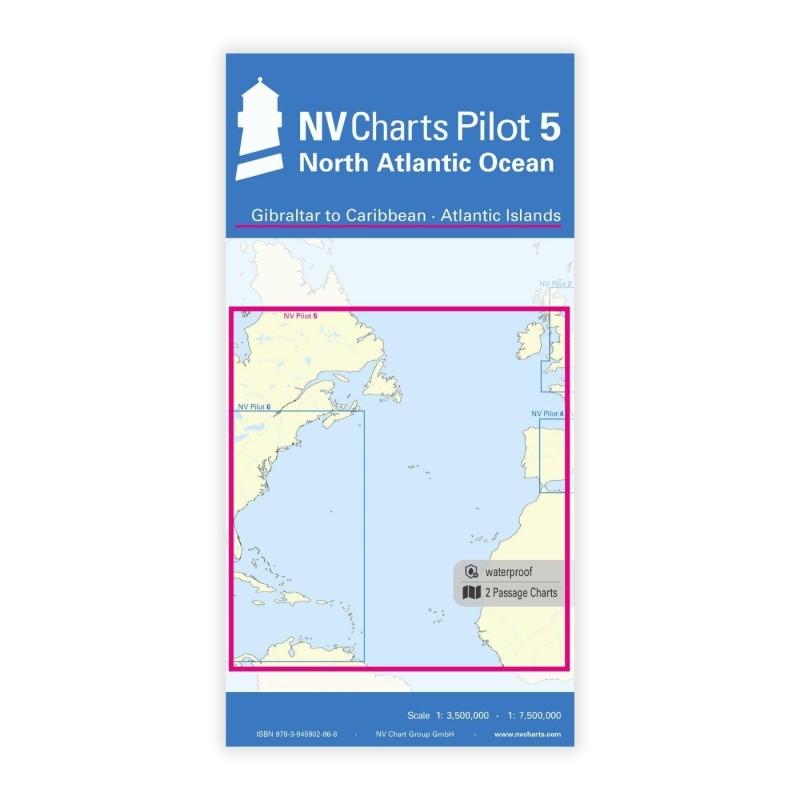 NV Charts Pilot 5 North Atlantic Ocean - Gibraltar to Caribbean, Atlantic Islands NV Verlag / NV Charts24,99 € incl. VAT, excl. Shipping
 -
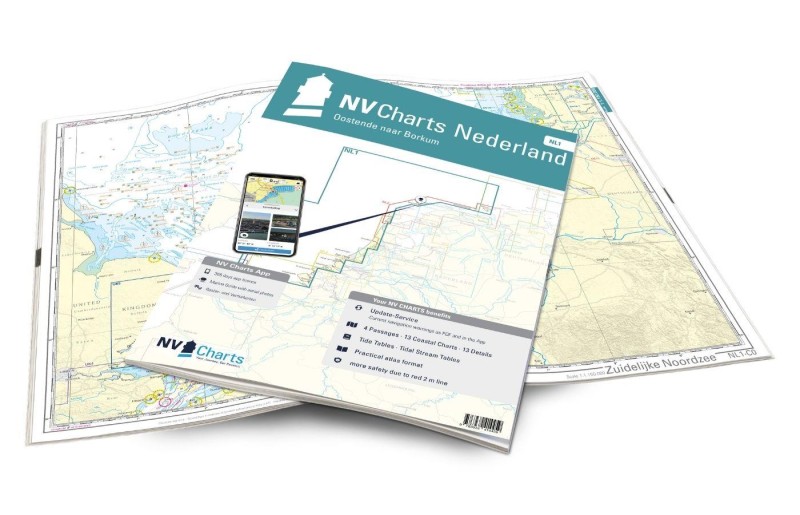 NV Charts Nederland NL1 - Oostende naar Borkum NV Verlag / NV Charts64,99 € incl. VAT, excl. Shipping
 -
-
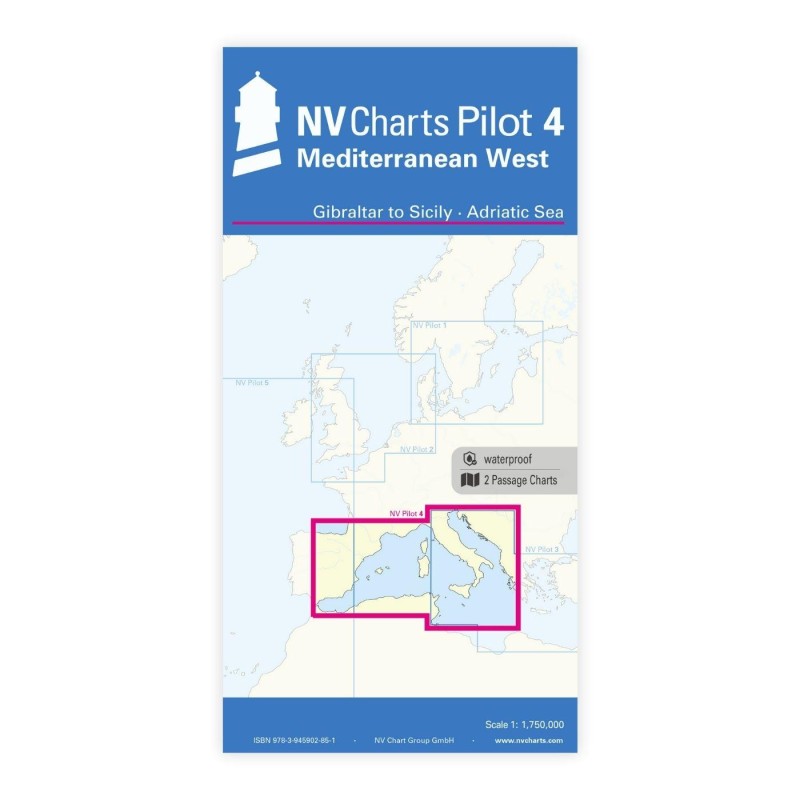 NV Charts Pilot 4 - Mediterranean West, Gibraltar to Sicily Adriatic Sea NV Verlag / NV Charts24,99 € incl. VAT, excl. Shipping
 -
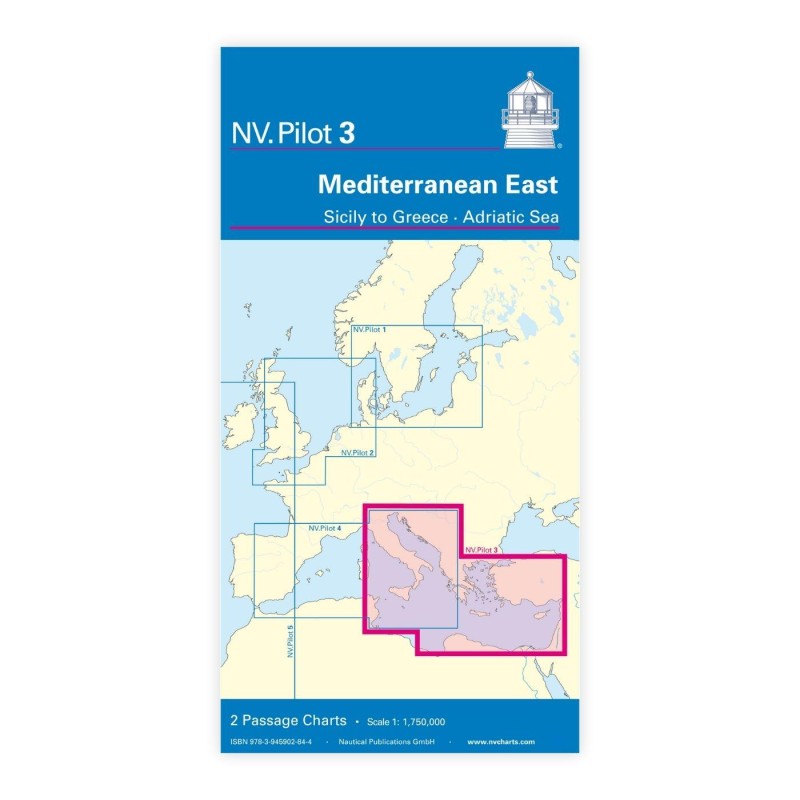 NV Charts Pilot 3 - Mediterranean East, Sicily to Greece Adriatic Sea NV Verlag / NV Charts24,99 € incl. VAT, excl. Shipping
 -
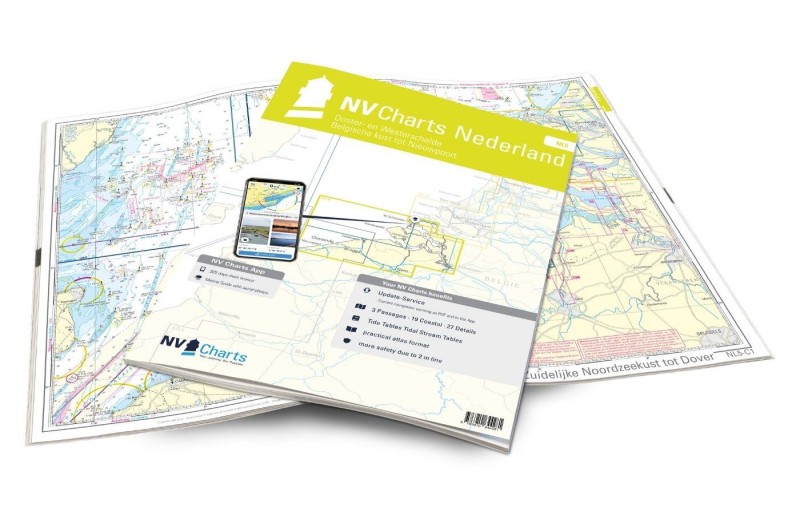 NV Charts Nederland NL5 - Ooster- en Westerschelde NV Verlag / NV Charts64,99 € incl. VAT, excl. Shipping
 -
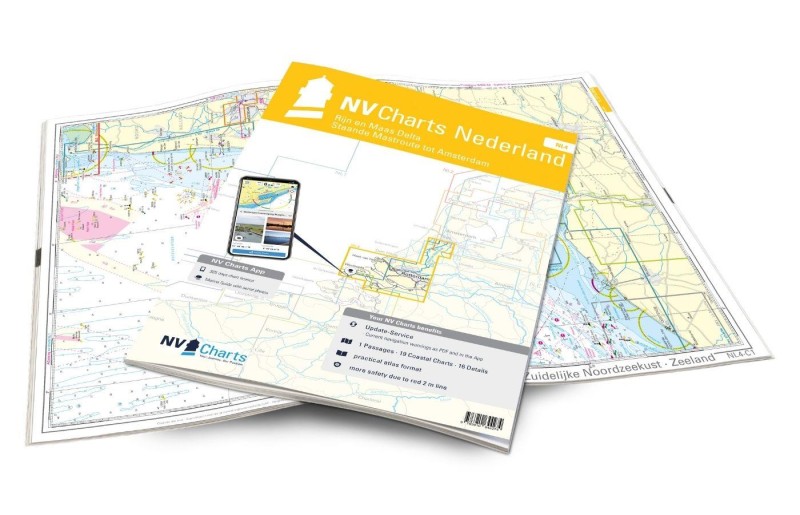 NV Charts Nederland NL4 - Rijn en Maas Delta NV Verlag / NV Charts64,99 € incl. VAT, excl. Shipping
 -
 NV Charts Denmark Serie 9 - Hirtshals to Esbjerg & Limfjord NV Verlag / NV Charts64,99 € incl. VAT, excl. Shipping
 -
-
 NV Charts Baltic Serie 4 Plano - Rund Rügen - Boddengewässer - Stettin NV Verlag / NV Charts74,99 € incl. VAT, excl. Shipping
 -
 NV Charts Baltic Serie 2 Plano Lübecker Bucht - Bornholm - Kopenhagen NV Verlag / NV Charts94,99 € incl. VAT, excl. Shipping
 -
 NV Charts France FR10 - Toulon to Menton, Monaco NV Verlag / NV Charts64,99 € incl. VAT, excl. Shipping
 -
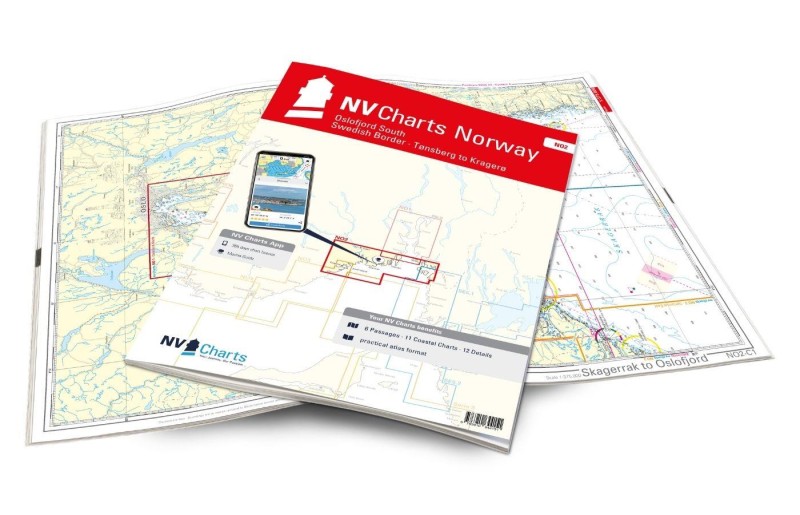 NV Charts Norway NO2 - Oslofjord Sør, Svenska Grensen til Kragerø NV Verlag / NV Charts74,99 € incl. VAT, excl. Shipping
 -
-
-
-
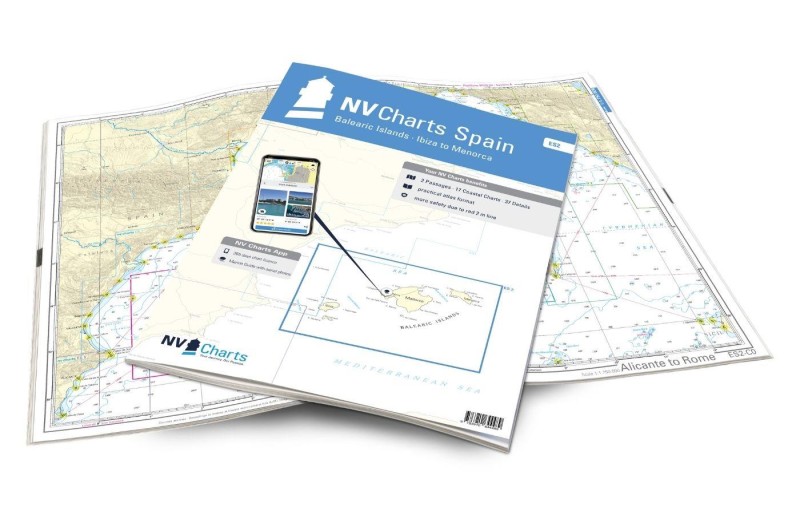 NV Charts Spain ES2 - Balearic Islands, Ibiza to Menorca NV Verlag / NV Charts64,99 € incl. VAT, excl. Shipping
 -
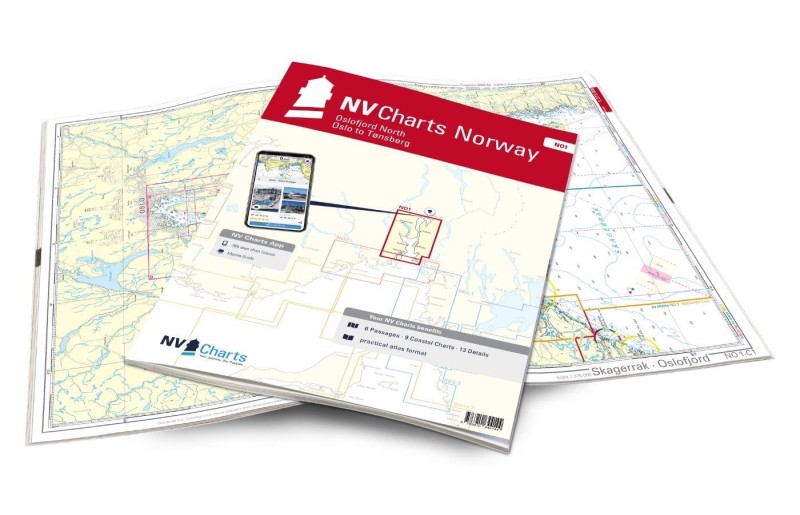 NV Charts Norway NO1 - Oslofjord Nord, Oslo to Tønsberg NV Verlag / NV Charts74,99 € incl. VAT, excl. Shipping
 -
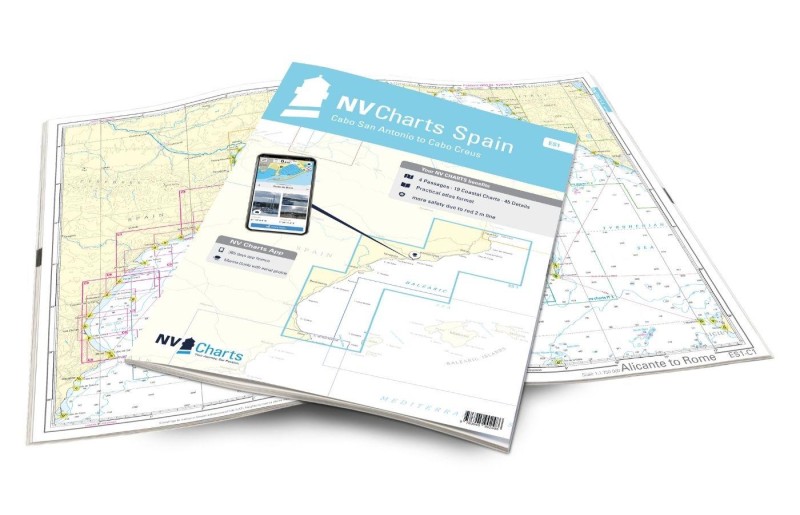 NV Charts Spain ES1 - Cabo San Antonio to Cabo Creus NV Verlag / NV Charts64,99 € incl. VAT, excl. Shipping
 -
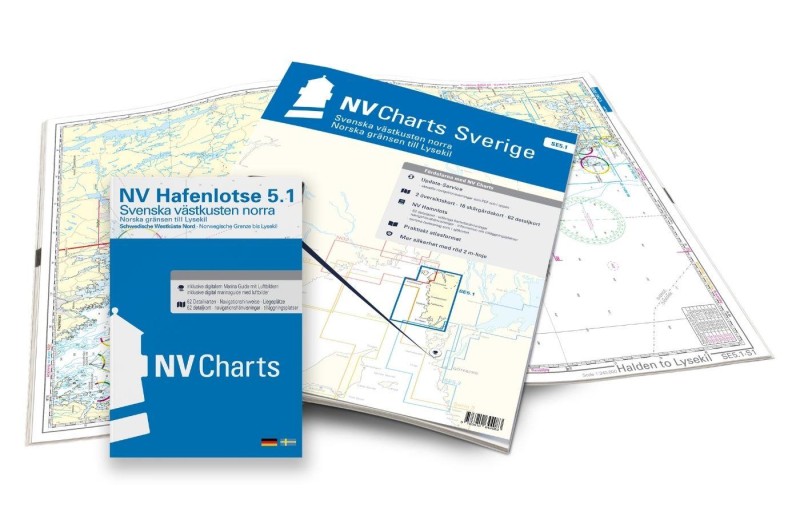 NV Charts Sverige SE 5.1 - Svenska Västkusten Norra NV Verlag / NV Charts69,90 € incl. VAT, excl. Shipping
 -
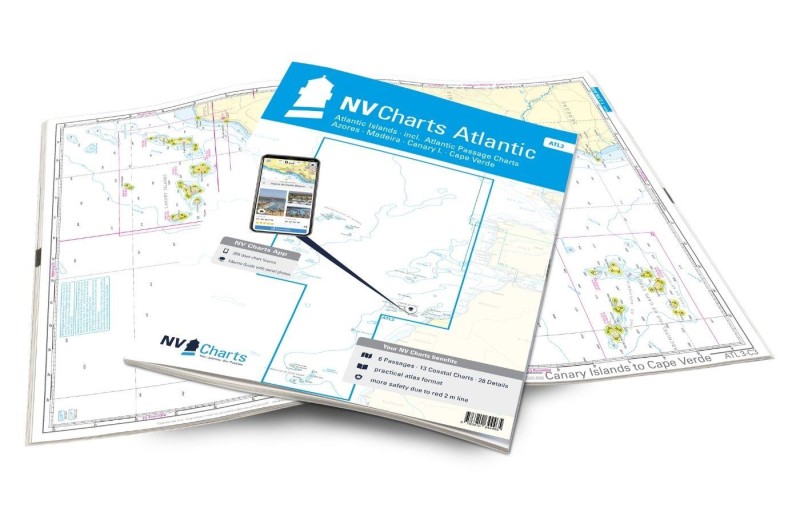 NV Charts Atlantic ATL3 - Atlantic Islands Azores - Madeira, Canary Islands, Cape Verde NV Verlag / NV Charts74,99 € incl. VAT, excl. Shipping
 -
-
-
-
-
-
-
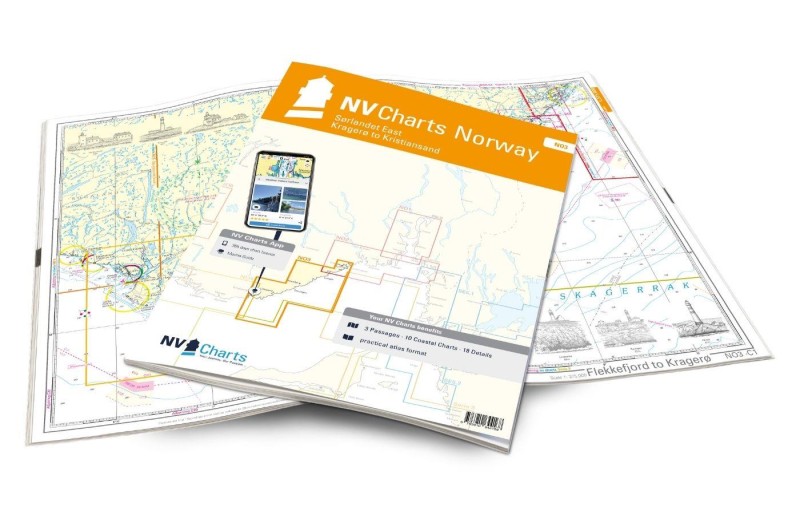 NV Charts Norway NO3 - Sørlandet East - Kragerø to Kristiansand NV Verlag / NV Charts74,99 € incl. VAT, excl. Shipping
 -
-
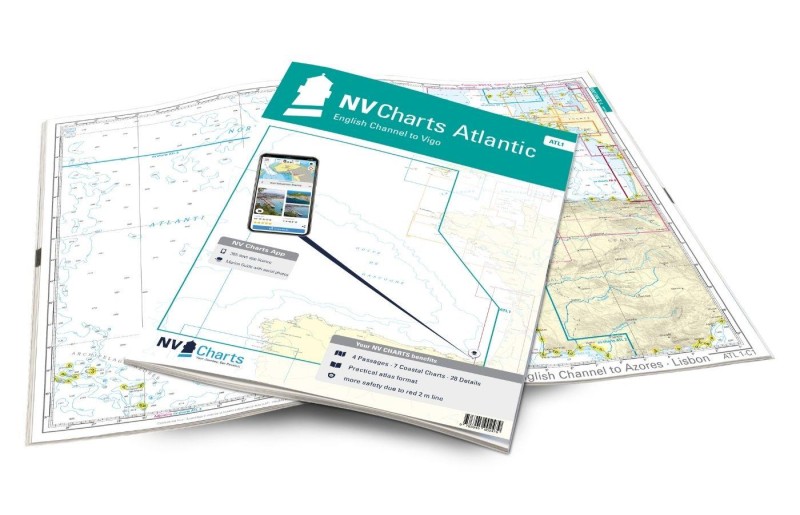 NV Charts Atlantic ATL1 - English Channel to Vigo NV Verlag / NV Charts74,99 € incl. VAT, excl. Shipping
 -
-
-
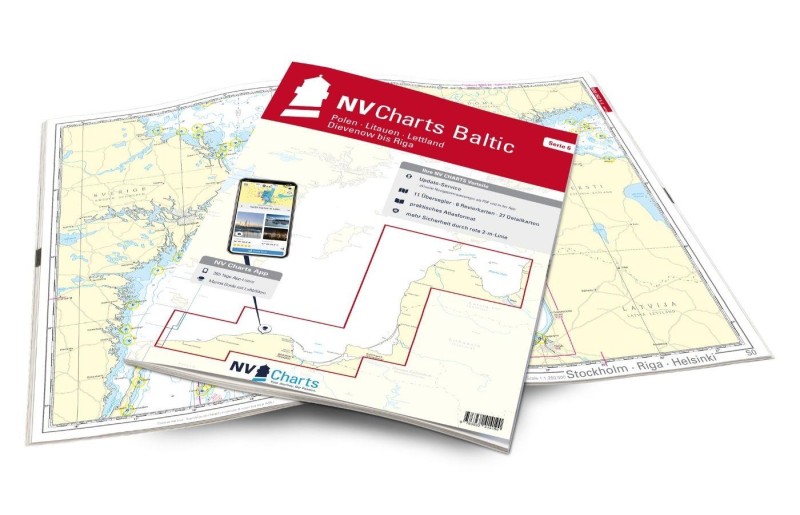 NV Charts Baltic Serie 6 - Polen - Litauen - Lettland NV Verlag / NV Charts94,99 € incl. VAT, excl. Shipping
 -
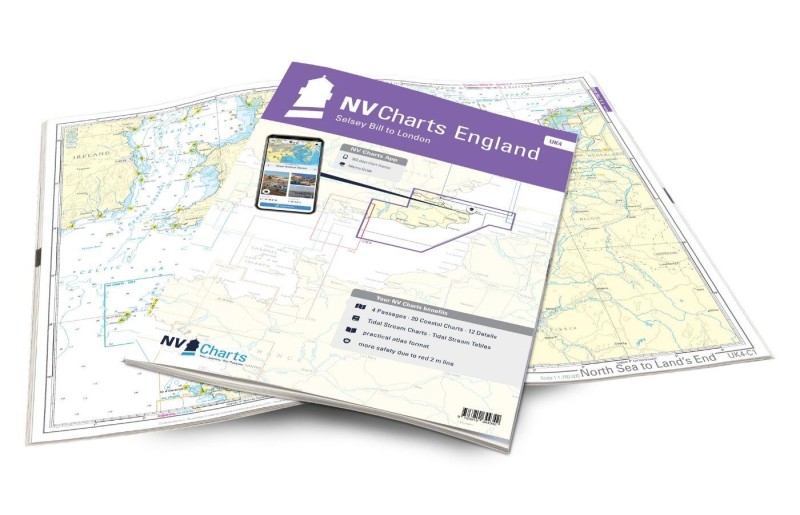 NV Charts England UK4 - Selsey Bill to London NV Verlag / NV Charts64,99 € incl. VAT, excl. Shipping
 -
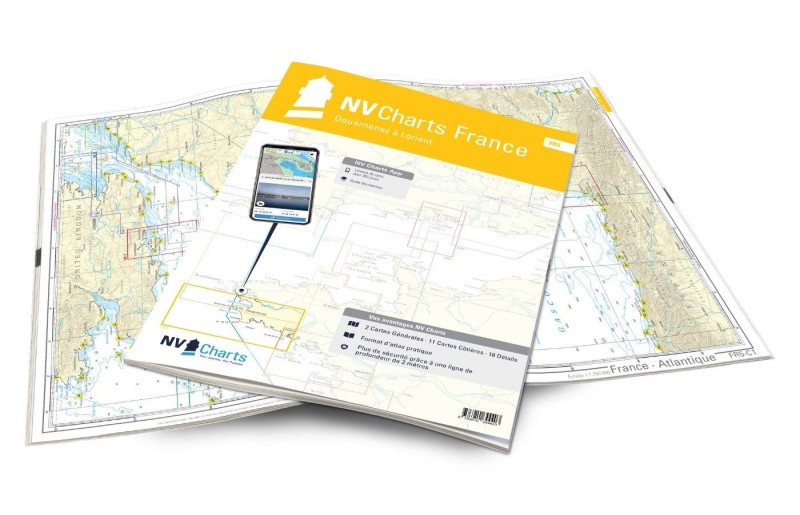
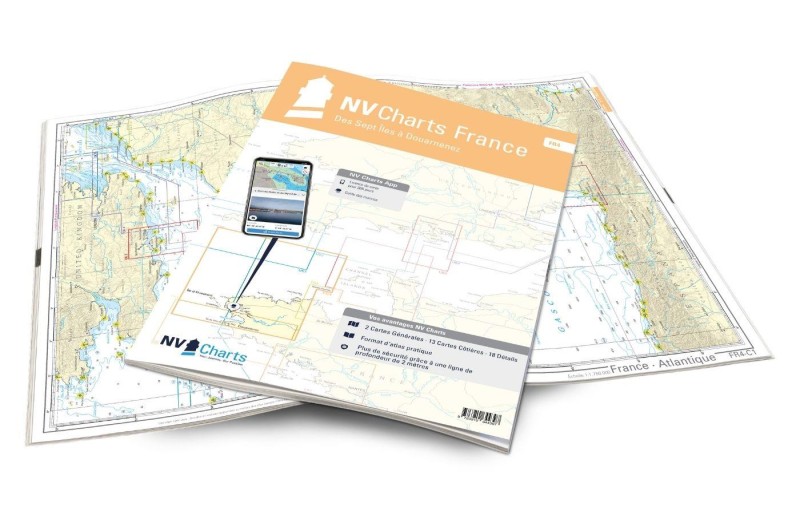 NV Charts France FR4 - Les Sept Isles à Douarnenez NV Verlag / NV Charts64,99 € incl. VAT, excl. Shipping
 -
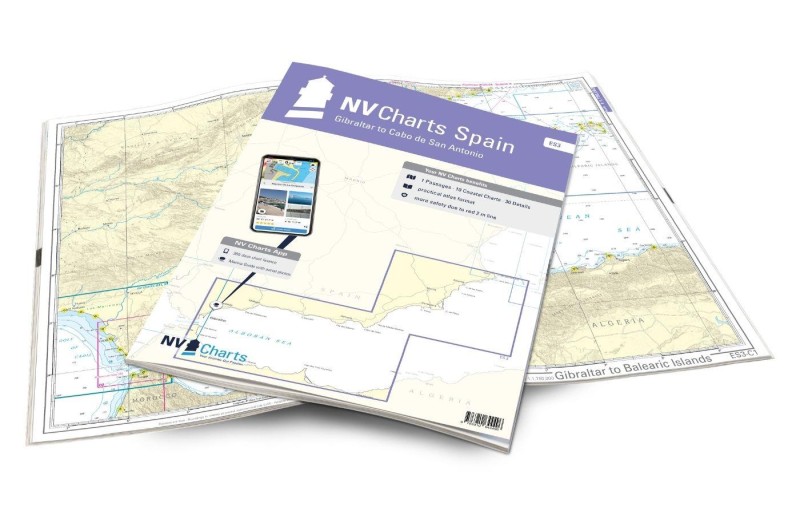 NV Charts Spain ES3 - Gibraltar to Cabo de San Antonio NV Verlag / NV Charts64,99 € incl. VAT, excl. Shipping
 -
-
 NV Charts France FR6 - Lorient à l`Île de Noirmoutier NV Verlag / NV Charts64,99 € incl. VAT, excl. Shipping
 -
 NV Charts Norway NO4 - Sørlandet West - Kristiansand to Flekkefjord NV Verlag / NV Charts74,99 € incl. VAT, excl. Shipping
 -
-
 NV Charts France FR3 - St. Malo aux Sept Isles NV Verlag / NV Charts64,99 € incl. VAT, excl. Shipping
 -
-
 NV Charts France FR7 - Îles de Noirmoutier à Oléron NV Verlag / NV Charts64,99 € incl. VAT, excl. Shipping
 -
-
-
 NV Charts Pilot 6 - US East Coast, Maine to Caribbean • Bermuda NV Verlag / NV Charts24,99 € incl. VAT, excl. Shipping
 -
 NV Charts Baltic Serie 3 Plano - Samsø-Sund-Kattegat NV Verlag / NV Charts74,99 € incl. VAT, excl. Shipping
 -
 NV Charts Baltic Serie 3 - Samsø - Sund - Kattegat NV Verlag / NV Charts74,99 € incl. VAT, excl. Shipping
 -
-
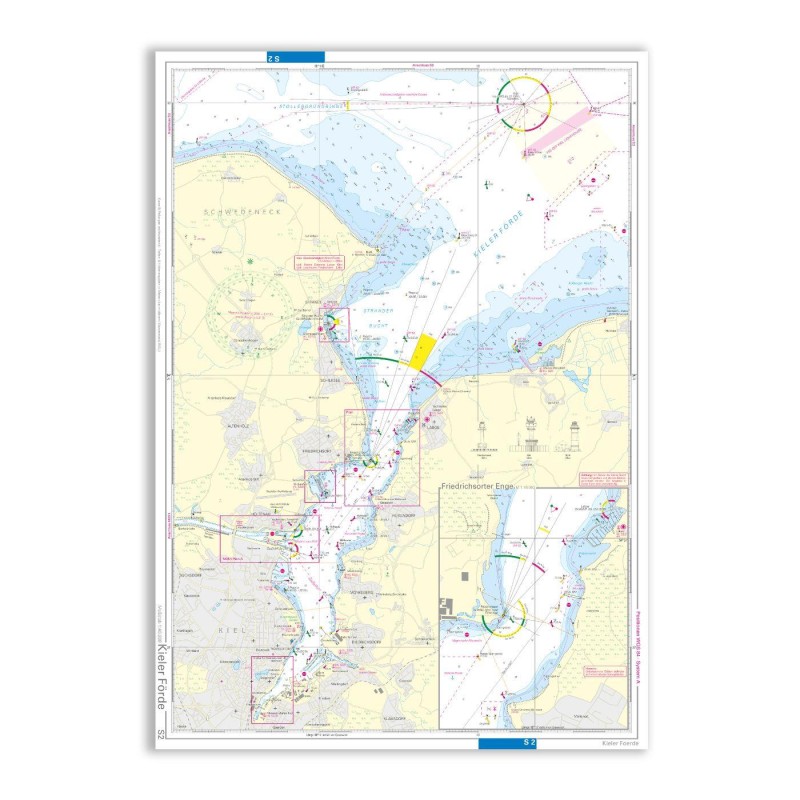 NV Charts Seekarte S2 Kieler Förde, Einzelkarte NV Verlag / NV Charts14,99 € incl. VAT, excl. Shipping
 -
-
 NV Charts England UK1 - Isles of Scilly to Start Point NV Verlag / NV Charts64,99 € incl. VAT, excl. Shipping
 -
 NV Charts Pilot 2 North Sea - Falmouth to Kristiansand - Inverness NV Verlag / NV Charts24,99 € incl. VAT, excl. Shipping
 -
 NV Charts France FR8 - Île d'Oléron à San Sebastian NV Verlag / NV Charts64,99 € incl. VAT, excl. Shipping
 -
-
 NV Charts Norway NO5 - Sørvestlandet South - Flekkefjord to Stavanger NV Verlag / NV Charts74,99 € incl. VAT, excl. Shipping
 -
 NV Charts England UK5 - Thames Estuary to Great Yarmouth NV Verlag / NV Charts64,99 € incl. VAT, excl. Shipping
 -
-
-
 NV Charts Bahamas 9.2 - Central - Andros to Exumas & Eleuthera Islands NV Verlag / NV Charts74,99 € incl. VAT, excl. Shipping
 -
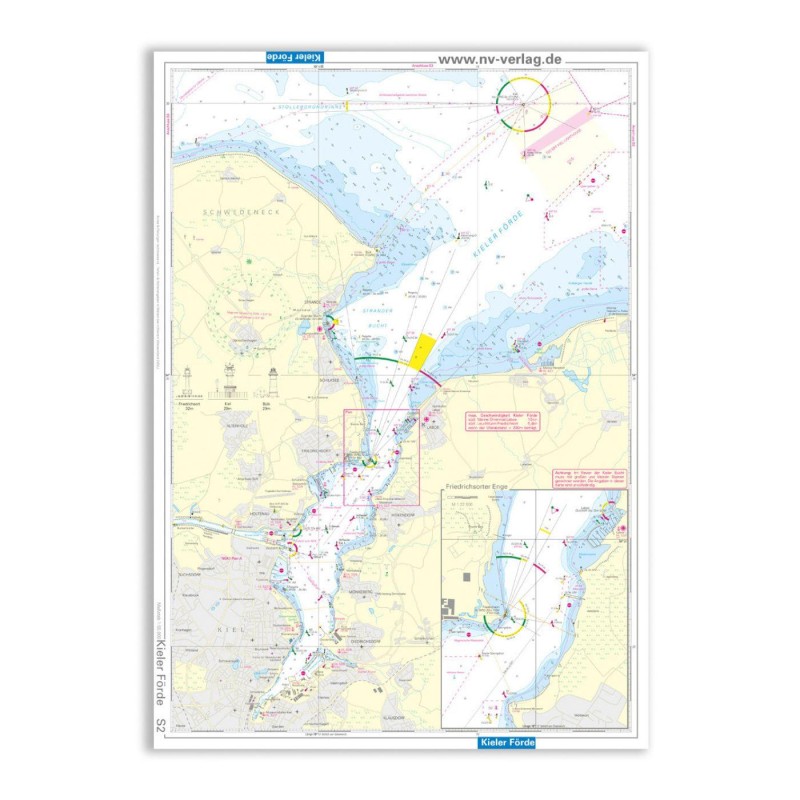 NV Einzelkarte Kieler Förde, Wasserfest / Kunststoff NV Verlag / NV Charts14,99 € incl. VAT, excl. Shipping
 -
-
-
 NV Charts Bahamas 9.1 - Northwest - Bimini & Berry Islands - Nassau to Abaco - Grand Bahama NV Verlag / NV Charts74,99 € incl. VAT, excl. Shipping
 -
-
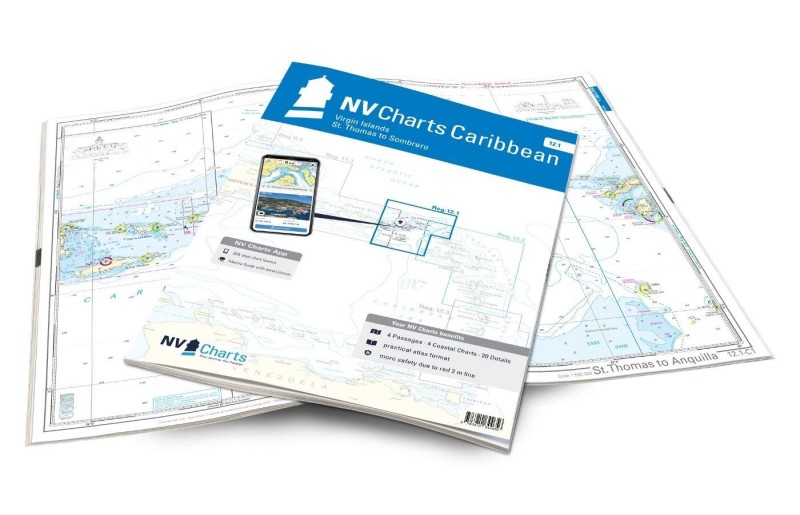
 NV Charts Caribbean 11.1 - Puerto Rico - Dominican Republic - Spanish Virgin Islands NV Verlag / NV Charts94,99 € incl. VAT, excl. Shipping
 -
 NV Charts Bahamas 9.3 - Southeast, Cat & Long Island - Rum Cay to Turks & Caicos NV Verlag / NV Charts74,99 € incl. VAT, excl. Shipping
 -
 NV Atlas Norway NO6 - Sørvestlandet North - Stavanger to Haugesund NV Verlag / NV Charts74,99 € incl. VAT, excl. Shipping
 -
 NV Charts Bermuda 16.1 - Passages US East Coast - Caribbean - Europe NV Verlag / NV Charts69,80 € incl. VAT, excl. Shipping
 -
 NV Charts Cuba 10.1 - Northeast Cuba, Cabo Maisi to Varadero NV Verlag / NV Charts94,99 € incl. VAT, excl. Shipping
 -
 NV Atlas Florida Southeast Reg. 8.3 - Lake Worth Inlet to Plantation Key NV Verlag / NV Charts49,00 € incl. VAT, excl. Shipping
 -
 NV Charts Cuba 10.4 - Southeast - Trinidad to Cabo Maisi NV Verlag / NV Charts94,99 € incl. VAT, excl. Shipping
 -
-
 NV Charts Cuba 10.2 - Northwest - Varadero to Cabo San Antonio NV Verlag / NV Charts94,99 € incl. VAT, excl. Shipping
 -
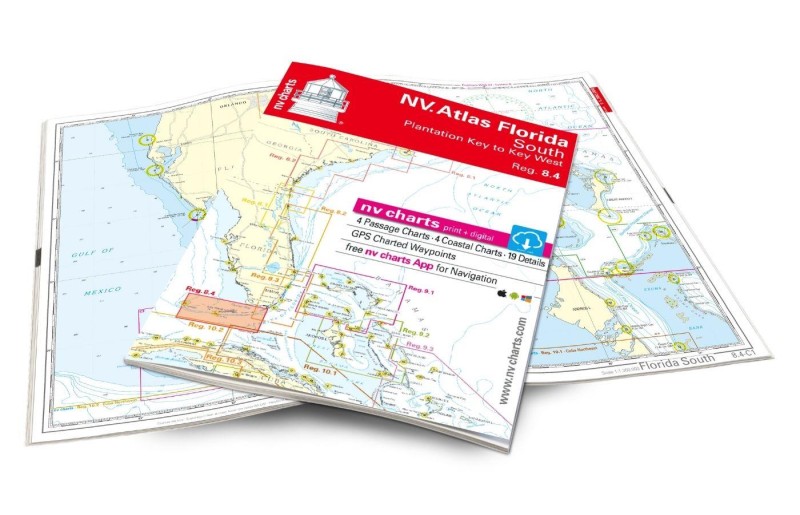 NV Charts Florida 8.4 - South Florida, Plantation Key to Key West NV Verlag / NV Charts49,00 € incl. VAT, excl. Shipping
 -
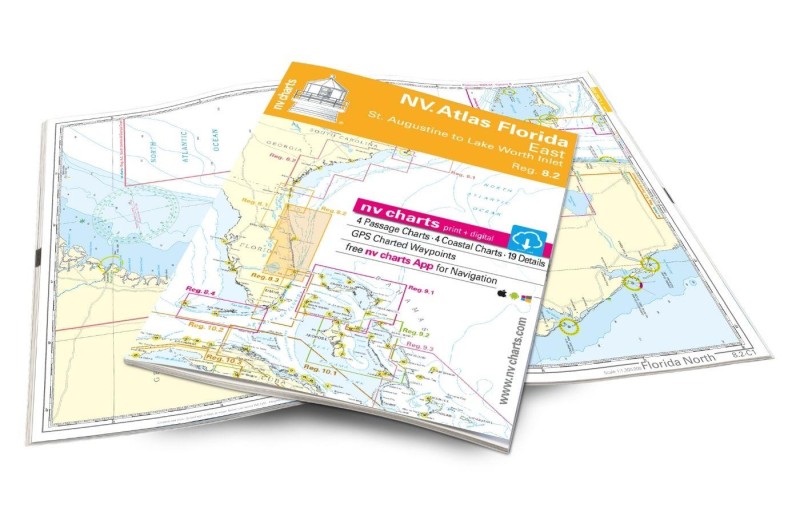 NV Atlas Florida, East Reg. 8.2 - St. Augustine to Lake Worth Inlet NV Verlag / NV Charts49,00 € incl. VAT, excl. Shipping
 -
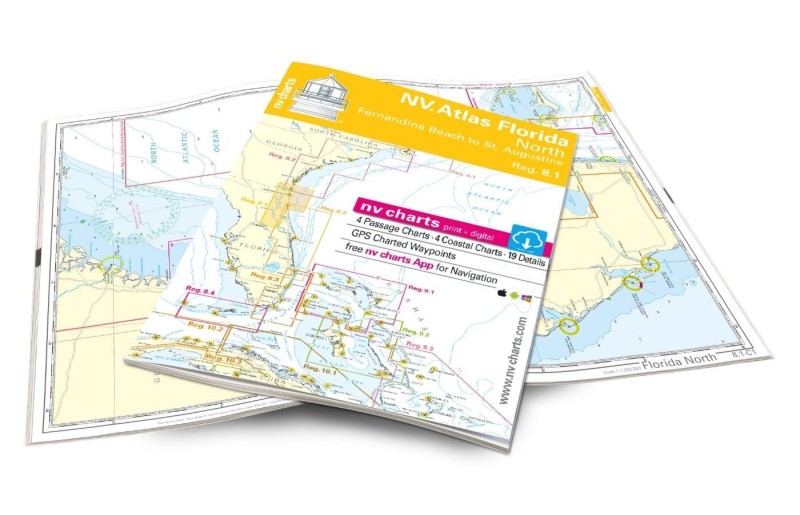 NV Atlas Florida North Reg. 8.1 - Fernandina Beach to St. Augustine NV Verlag / NV Charts49,00 € incl. VAT, excl. Shipping
 -
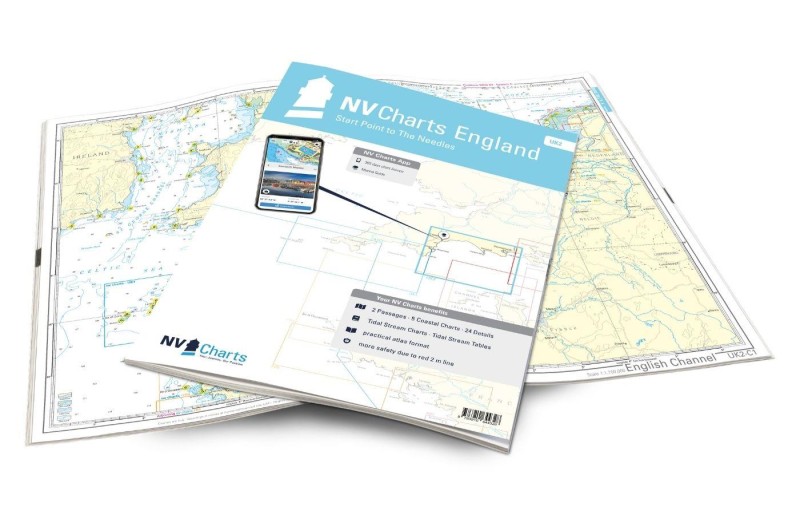 NV Charts England UK2 - Start Point to The Needles NV Verlag / NV Charts64,99 € incl. VAT, excl. Shipping


 WhatsApp
 Facebook
 E-Mail
 Copy
Copy