

Latitude
57° 42’ 57.1” NLongitude
10° 35’ 31.5” EDescription
Denmark's largest fishing port at the northern end of Jutland, where the Kattegat and Skagerrak meet.
NV Cruising Guide
Navigation
The approach to the fired port is possible day and night. It takes place with about 335° in the bearing of the leading light (2Iso.R). Before entering the harbour, a cross-setting current must be expected, which can be up to 2 nm/h (north-setting). In the harbour entrance, outgoing vessels must wait until incoming vessels have passed.
Berths
The harbour basins between the old pier and pier nos. 1 and 2 are kept free for yachts during the season and equipped with additional floating docks. The harbour basin, which is crowded at times, has water depths of 4.5 m. You can moor at the north-western quays with a stern anchor or alongside in a pack. Very large yachts (over 20 m) report to Skagen Port (VHF channel 16) and are allocated a berth in the east basin. Limited berthing is also available in the southern part of the Bundgarns basin, but the distance to the town centre is 1.5 km. All other fishing basins are closed to recreational boating. Mooring fees are paid at the Harbour Guard office.
Surroundings
The very busy fishing harbour offers, in addition to the usual sanitary facilities, an extensive repair service with engine workshops and two sailmakers. At the bunker station on Pier 1 may only be moored for a short time. In the town, which is worth seeing, all shopping facilities are available and the surrounding area is also tempting, not only with a trip to the "Grenen".
NV Land Guide
The most distinctive buildings around Skagen harbour are the old, red, two-storey packing and auction houses of the fishermen, who defend their wooden houses tooth and nail against the tourist trade. A small cafe-restaurant is the only intruder tolerated in one of the auction houses. The harbour guest is the beneficiary of this demarcation, which makes for an authentic harbour atmosphere.
Every morning, fish auctions take place in the halls north of the packing houses. The hustle and bustle is part of the milieu. Ice is loaded, nets are hoisted on board and refrigerated trucks drive up. There is a constant smell of fish.
The red wooden houses are a design model for many a new marina in Denmark and they do not promise too much to the arriving skipper as Skagen's calling card. The town, characterised by low and yellow-washed houses with a number of sights, is well worth a sea voyage. So is the extraordinary moorland, heath and dune landscape.
That Skagen is a very special place was also discovered around 1930 by painters who were attracted by the light conditions on Denmark's northernmost headland. For them, the light was a triad, of sun, sea and dunes. It is said that the Scandinavian hue of the night, influenced by the midnight sun, was the second reason for moving to Skagen. Paintings from the so-called Skagen School can be seen in the former house of the artists Michael and Anna Ancher in Markvej and in "Drachmanns Hus". After the death of the artist couple's daughter, the painter Helga Ancher, the Anchers' long, low house was lovingly restored. Helga Ancher had stipulated in her will that her house should be set up as a museum. The works of art of a number of other Skagen painters are also exhibited here. Villa Pax", Holger Drachmann's retirement home at Hans Baghsvej 21, has become a memorial to the painter and poet who spent the last years of his life here. As a poet, he was best known for his heroic epics about the Skagen fishermen who rescued stranded people from distress at sea. In 1908, Drachmann, who was nicknamed the "Singer of the Seas", was buried in the northern Skagen dunes. His friends created the burial site.
The Skagen painters' colony is also represented by numerous paintings in the "Skagens Museum" (Brøndumsvej 4). The museum building, designed by the well-known Skagen architect Ulrik Plesner, contains around 1000 paintings, drawings, sculptures and handicrafts by the artists who lived and worked on Skagen between 1830 and 1930. Often the everyday life of the fishermen is the focus of the painting themes. The beautiful daughters of Skagen are also frequent motifs. Among the well-known Skagen impressionists were Martinus Rørbye, Carl Locher, Viggo Johannsen, Laurits Tuxen, Karl Madsen and Peder Severin Kröyer. The Grenen Museet on the northern tip of Grenen is a forum for contemporary artists.
The open-air museum in P.K. Nielsensvej, which is well worth a visit, provides information about living conditions in days gone by. Nielsensvej with seven buildings and their furnishings. The dwelling of a poor fisherman and the house of a rich fisherman from around 1830 have been reconstructed here to represent two social groups. The layout of the rooms and the furnishings clearly show the great social differences. In the poor fisherman's house, for example, four adults and six children usually lived in a very small space, while the wealthy fisherman had two living rooms, one or two bedrooms, a kitchen, a stable and a laundry room. One of the two living rooms was called Vesterstuen (West Room). Stranded sailors were given accommodation here. In the Fishery Museum on the museum grounds, the development of fishing and the town is shown. The memorial hall is dedicated to rescue from distress at sea. A memorial wall lists the fishermen who remained at sea. A rescue station with a lifeboat has also been built and a model of the harbour shows what the harbour looked like shortly after it was built in 1907. On the hill near the museum, the fishermen's wives are said to have once looked out for their returning husbands.
Down on the beach, the gaze of many walkers today is less on the men and more on the beach. They are looking for the "gold of the north". The amber museum at Havneplads 14 shows that amber finds are not rare here, with the number of insects encased in amber on display here alone running into the thousands.
Scholars argue about how Skagen came to be settled. It was long believed that a horse herder named Tronder was the first to build a house in Skagen in the early Middle Ages. His master, the farmer ThorkiId Skarpä, had acquired grazing rights from the crown. At that time, the traces of the original inhabitants of the northern tip of the Jutland peninsula were obliterated. Only more recent excavations prove that Stone Age people already lived at the present-day junction between the Skagerak and Kattegat - at a time when the land extended much further into the sea and the shoreline was identical to today's nine-metre depth line.
During the Middle Ages, Gammel Skagen (Old Skagen) first developed on the North Sea side. Only later did a settlement also grow up on the Kattegat coast, but it lacked a village street, a central market and a harbour. The fishermen had to pull their boats onto the beach. Nevertheless, the houses, which were initially scattered among the dunes, soon became a medieval town. The successful fishing favoured the rapid development, which reached its first peak when Skagen was granted town privileges in 1413. 3000 inhabitants counted Skagen during the medieval heyday in the 16th century, when large quantities of salted fish were sold to Sweden and Germany.
At the beginning of the 18th century, however, living conditions deteriorated considerably. Fish failed to arrive, storm surges caused great damage.
Sandy drifts also made life difficult for the people of Skagen. The sand drifts buried houses under them and ruined farming. Unknowingly, residents aided erosion by destroying beach plants. The result was a sand flood. Time and again, houses covered by drifting sand had to be relocated. Some remained buried under the sand. Of the old, silted-up church, which had to be abandoned around 1800, only the tower serving as a sea mark still exists. The nave, which was threatened by the sand drift, was demolished after churchgoers had spent years shovelling their way to church services. The preserved whitewashed church tower with stepped gable is popularly called "Lange Maren" and stands in the dune landscape three kilometres west of Skagen. At certain times it may be entered for a fee.
With plantings it was possible to contain the sand drifts, but not to eliminate them. An impressive example of the constant change in the landscape is the 41-metre-high "Råbjerg Mile", a shifting dune that has set a persistent course eastwards ten kilometres southwest of Skagen. In this direction, it covers more than ten metres year after year.
The waters around Skagen were and are among the most feared by seafarers. Even the Vikings preferred the way over Schlei, Treene and Eider into the North Sea, not without reason. And the Skagen fishermen risked their lives not only in rescuing shipwrecked people, but also in salvaging coveted parts of shipwrecks. The aim was to get ahead of the competitors in the salvage business. Careful attention was also paid to flotsam and jetsam. The washed up wood from the wrecks can be found in the old Skagen houses. The landmark lighthouses on Denmark's northernmost headland have always played an important role for shipping because of the dangerous waters. In 1560 the royal house ordered the people of Skagen to build a driving beacon. It was replaced in 1696 by a fire see-saw, which today can be seen as a reconstruction in Østre Strandvej and is lit on the solstice, June 24. "The white fire" was built by the people of Skagen in 1747 as the first masonry lighthouse, but with the iron basket on top, the fire did not differ much from its predecessors. Only "The grey fire" at Grenen, the outermost tip of Skagen, revolutionised the Skagen lighthouses in 1858. 210 steps lead up the highest lighthouse of Denmark (50 m). If you want to take on this physical training, you have to pay a fee and will be rewarded for the effort with a unique view. The slim lighthouse Skagen West replaced the Højen Fyr built in 1892 in 1956. Until a few years ago, the lightship Skagen Rev (Skagen Reef), which has since been moved in, showed shipping the way around the northern tip, the position of which is constantly changing under water. Even above water, the tip of Grenen points in a variety of easterly directions, depending on current conditions.
Whoever wants to make a pilgrimage with many other tourists to the spot where the Skagerrak and Kattegat meet must first make their way to the Grenen lighthouse. Here the road ends at a parking lot in the dunes. On trailers pulled by tractors, one reaches the northernmost tip of the kingdom. As there are usually strong currents, it often really seems as if two seas collide with a strong force. The people of Skagen, obviously equipped with tourist business sense, are careful not to contradict this impression. They skilfully market the exposed location of their town of 12,000 inhabitants. The hefty harbour dues are the first indication that Skagen is not a cheap place. Nevertheless, Skagen has fortunately not developed into a place of chic.
Over the centuries, many a military power discovered the strategic importance of Denmark's northern tip. German concrete bunkers, which will be removed in time, are a reminder of the last occupying power. Large listening devices at the "Grey Lighthouse" are used to monitor military shipping traffic on the Kattegat.
Skagen has a 60-kilometre-long beach. Nevertheless, it is essential to take care when swimming because of the currents. There are a number of places where swimming is strictly prohibited.
A bike ride to picturesque southern Hulsing is recommended. The opportunity should be taken for a detour to the aforementioned shifting sand dune. The bus or train can also be used as a means of transport to Hulsig or to the nearest harbour town of Ålbæk. Summer timetables are available at the tourist office. Among a number of restaurants and pubs, the "Musikcafeen" at Havnevejen 16 is recommended to friends of live music. However, it opens its doors only at 10 pm. Without a doubt, the small fish restaurant in the fishermen's auction houses is the most original and quaint. The hotel directly opposite "Skagens Museum" is recommended to gourmets, as is the three-star restaurant "Trekosten" in Jeckelsvej in Altskagen. The latter also offers a magnificent view of the Skagerrak. Bodilles Kro" in Østre Strandvej 11 advertises that it is popular with residents and tourists alike for its fish dishes.
From June 25 to August 20, the local radio station "Skagen Nærradio" goes on the air every Sunday at 4 pm in Danish, English and German. The program includes, in addition to news and information for tourists, mainly advertising.
Marina Information
| Max Depth | 9 m |
Contact
| Phone | +45 9844 3341 |
| Please enable Javascript to read | |
| Website | https://skagenlystbaadehavn.frederikshavn.dk |
| VHF Channel | 16 |
Surroundings

Electricity

Water

Toilet

Shower

Restaurant

Imbiss

Crane

Atm

Internet

Fuel

Grocery

Boatyard

Ramp

Public Transport

Bikerental

Garbage
Comments



You can add comments with the NV Charts App (Windows - iOS - Android - Mac OSX).
You can download the current version at nvcharts.com/app.
Buy nv charts covering this place Clicking one of the products will open the nv charts shop.
-
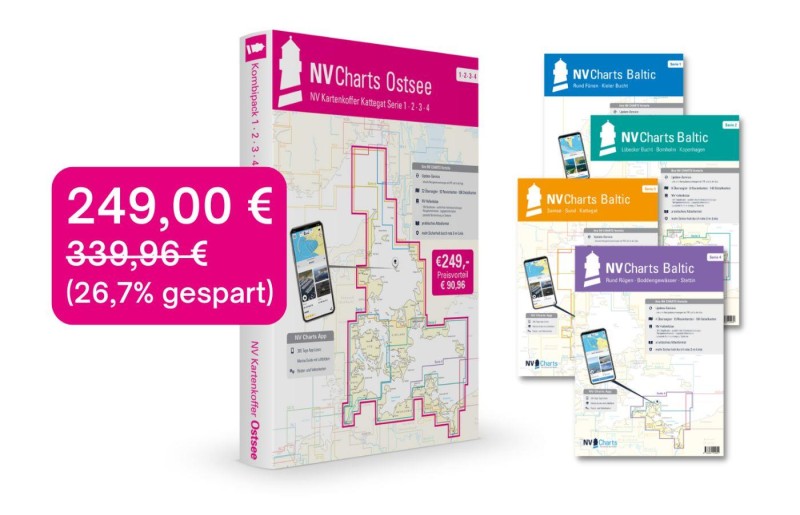 NV Charts Kartenkoffer Ostsee Serie 1, 2, 3, 4 NV Verlag / NV Charts249,00 € incl. VAT, excl. Shipping
 -
 NV Charts Nederland NL3 - IJsselmeer, Markermeer en Randmeeren NV Verlag / NV Charts64,99 € incl. VAT, excl. Shipping
 -
 NV Charts Nordsee DE11 - Elbe, Hamburg bis Helgoland NV Verlag / NV Charts64,99 € incl. VAT, excl. Shipping
 -
 NV Charts Nordsee DE12 - Weser, Bremen bis Helgoland & Jade NV Verlag / NV Charts64,99 € incl. VAT, excl. Shipping
 -
-
 NV Charts Baltic Serie 1, Rund Fünen-Kieler Bucht NV Verlag / NV Charts94,99 € incl. VAT, excl. Shipping
 -
-
 NV Charts Nederland NL6 - Waterkaart Nederland Noord - Friesland - Groningen tot Arnhem NV Verlag / NV Charts64,99 € incl. VAT, excl. Shipping
 -
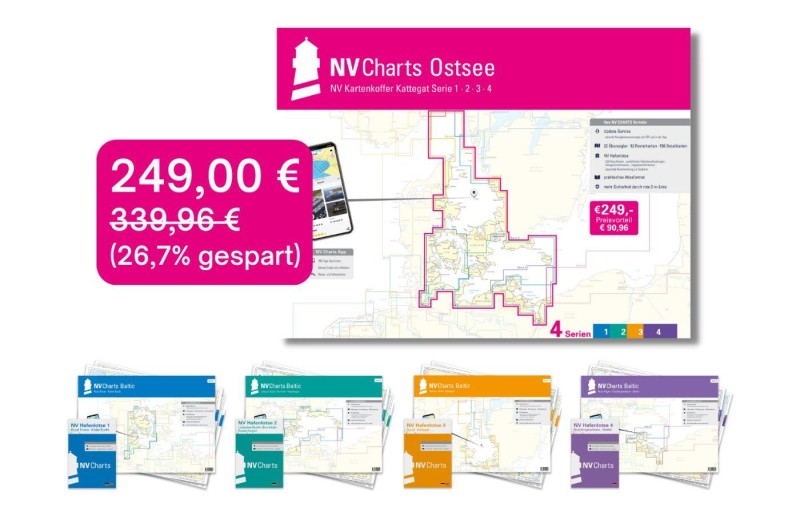 NV Charts Baltic Plano Kartenkoffer Ostsee Serie 1, 2, 3, 4 NV Verlag / NV Charts249,00 € incl. VAT, excl. Shipping
 -
 NV Charts Baltic Serie 4 Rund Rügen - Boddengewässer - Stettin NV Verlag / NV Charts74,99 € incl. VAT, excl. Shipping
 -
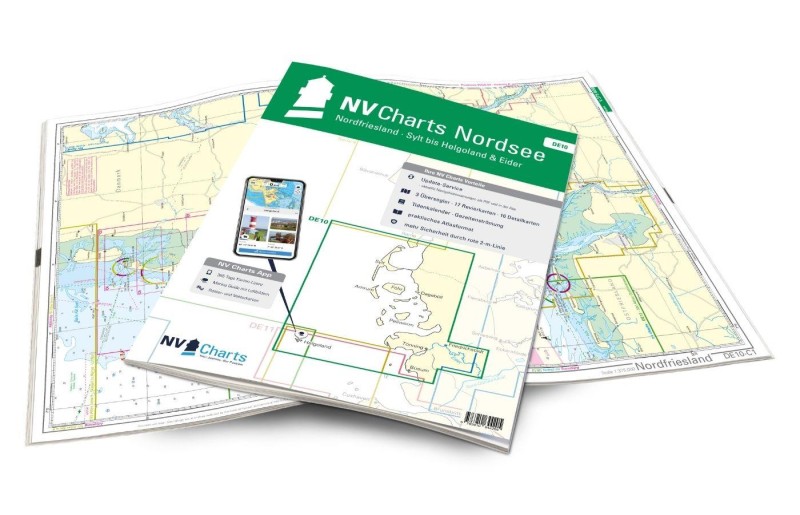 NV Atlas Nordsee DE10 - Nordfriesland, Sylt bis Helgoland & Eider NV Verlag / NV Charts64,99 € incl. VAT, excl. Shipping
 -
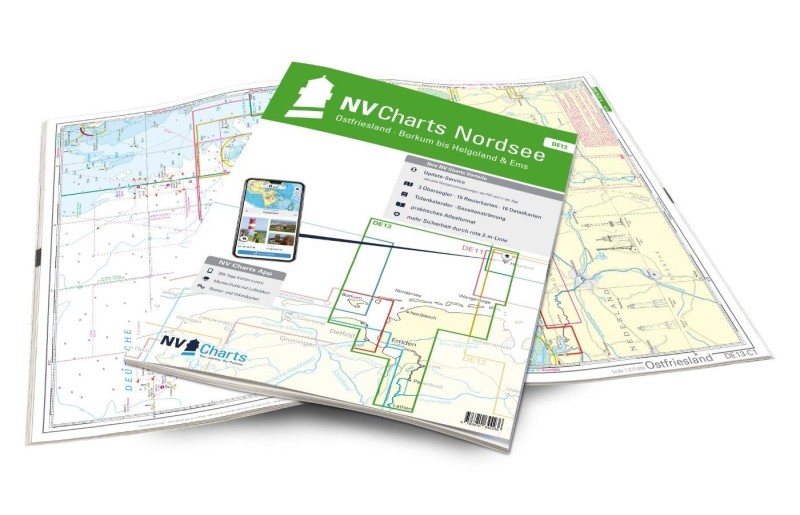 NV Charts Nordsee DE13 - Ostfriesland, Borkum bis Helgoland & Ems NV Verlag / NV Charts64,99 € incl. VAT, excl. Shipping
 -
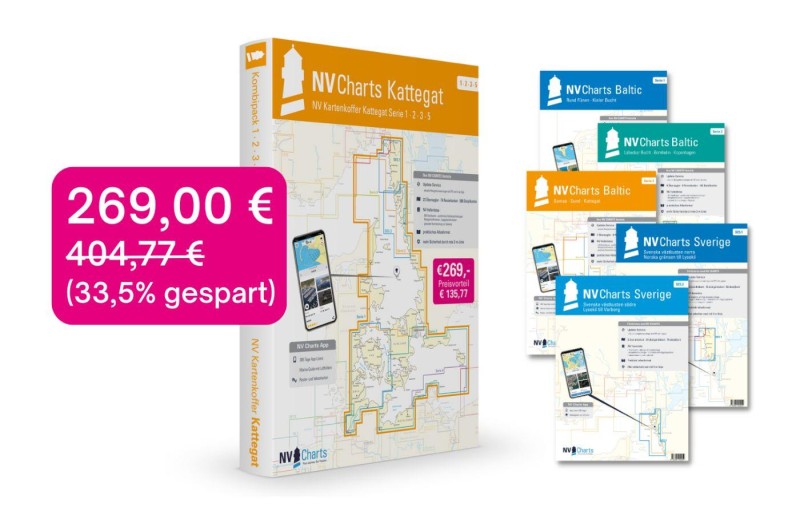 NV Atlas Kartenkoffer Kattegat Serie 1, 2, 3, 5.1, 5.2 NV Verlag / NV Charts269,00 € incl. VAT, excl. Shipping
 -
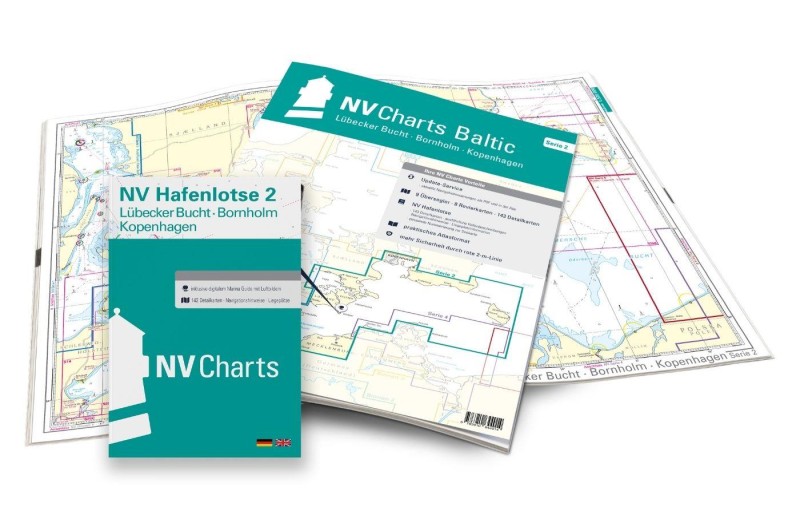 NV Charts Baltic Serie 2 Lübecker Bucht - Bornholm - Kopenhagen NV Verlag / NV Charts94,99 € incl. VAT, excl. Shipping
 -
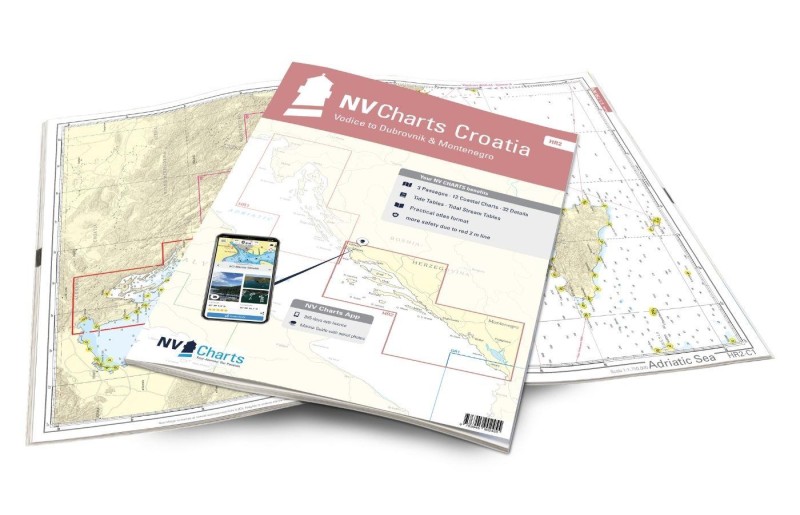 NV Atlas Croatia HR2 - Vodice to Dubrovnik & Montenegro NV Verlag / NV Charts64,99 € incl. VAT, excl. Shipping
 -
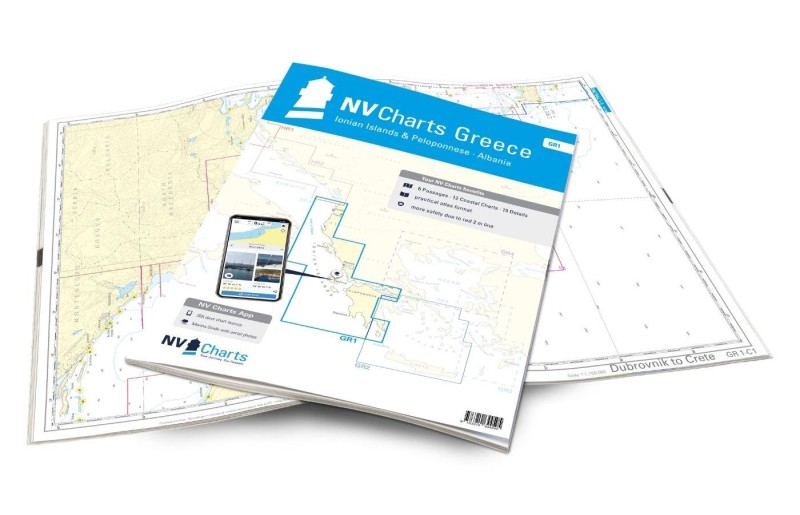 NV Charts Greece GR1 - Griechenland Ionische Inseln & Peloponnes - Albanien NV Verlag / NV Charts74,99 € incl. VAT, excl. Shipping
 -
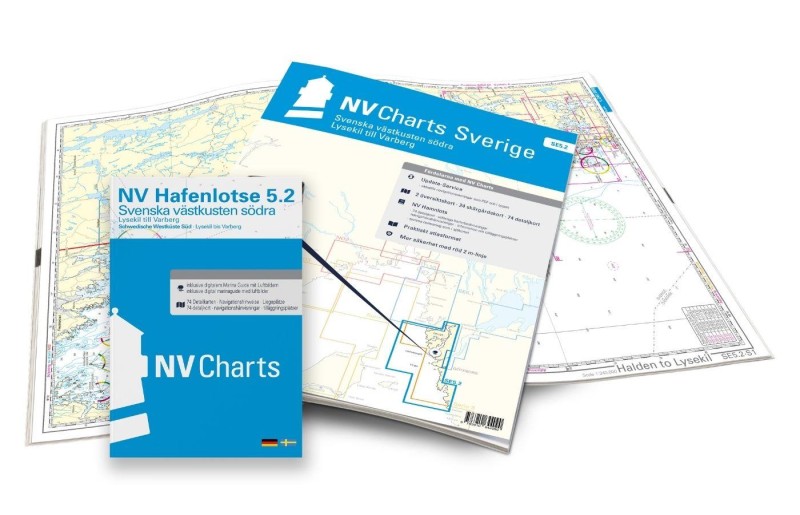 NV Charts Sverige SE 5.2 - Svenska Västkusten Södra NV Verlag / NV Charts69,90 € incl. VAT, excl. Shipping
 -
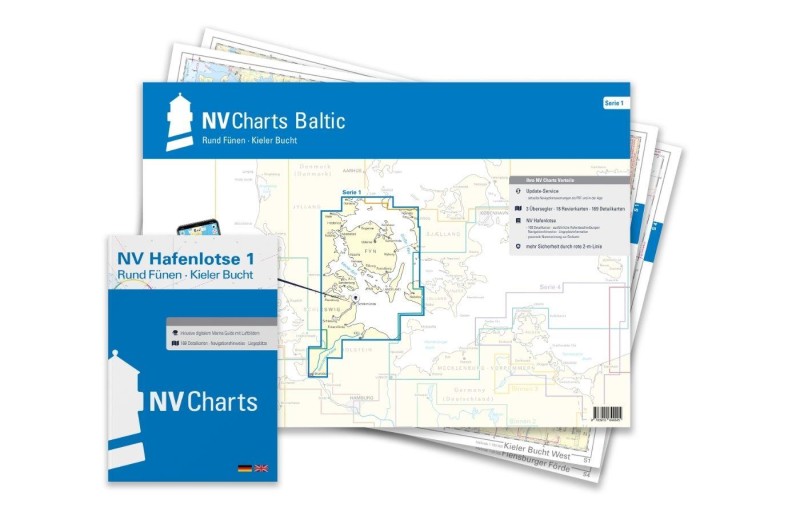 NV Plano Baltic Serie 1, Rund Fünen-Kieler Bucht NV Verlag / NV Charts94,99 € incl. VAT, excl. Shipping
 -
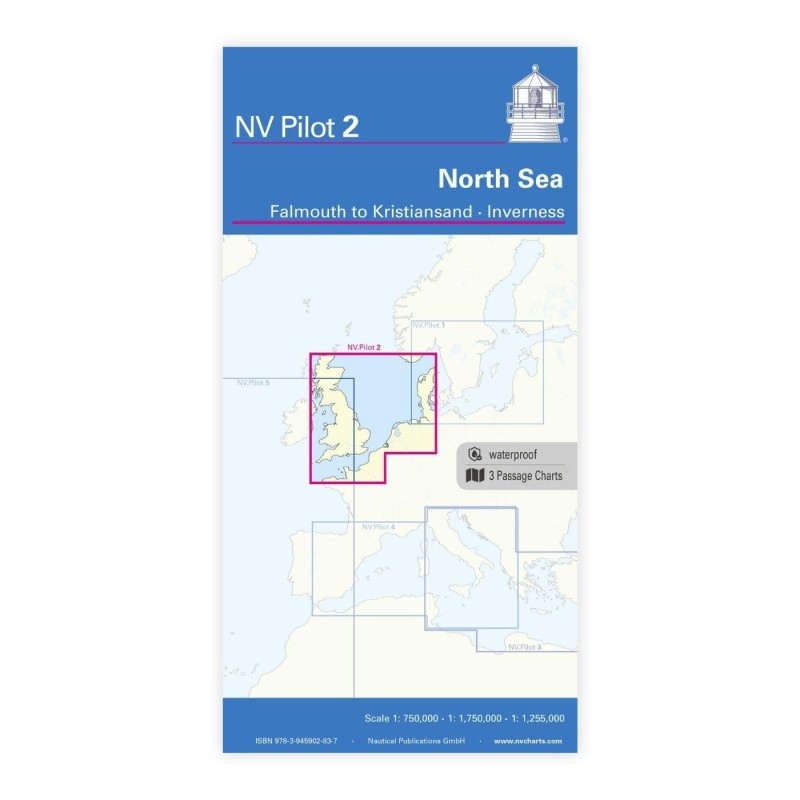 NV Charts Pilot 2 North Sea - Falmouth to Kristiansand - Inverness NV Verlag / NV Charts24,99 € incl. VAT, excl. Shipping
 -
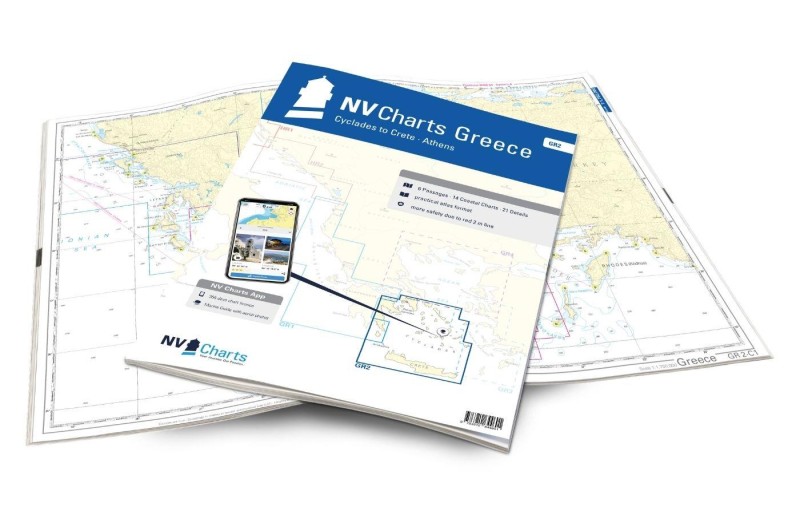 NV NV Charts Greece GR2 - Griechenland Kykladen bis Kreta & Athen NV Verlag / NV Charts74,99 € incl. VAT, excl. Shipping
 -
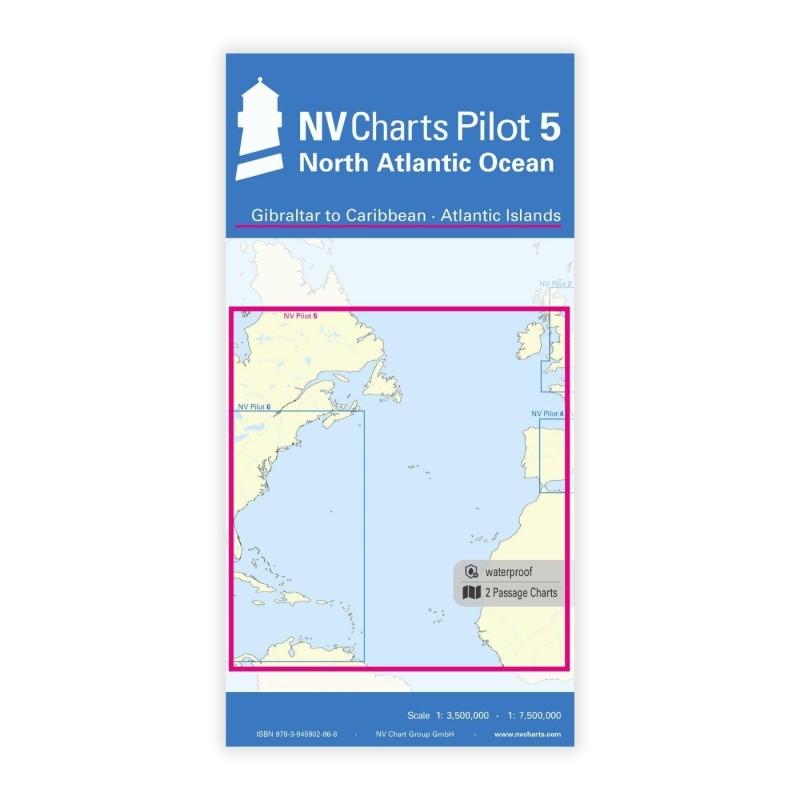 NV Charts Pilot 5 North Atlantic Ocean - Gibraltar to Caribbean, Atlantic Islands NV Verlag / NV Charts24,99 € incl. VAT, excl. Shipping
 -
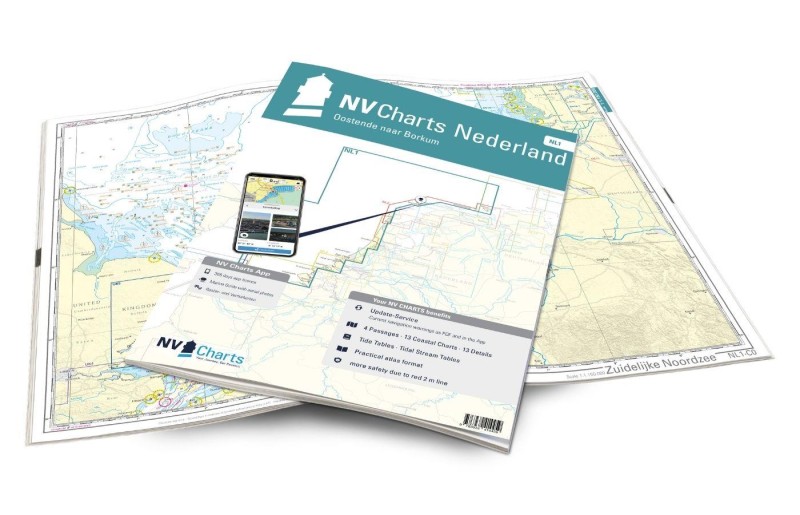 NV Charts Nederland NL1 - Oostende naar Borkum NV Verlag / NV Charts64,99 € incl. VAT, excl. Shipping
 -
-
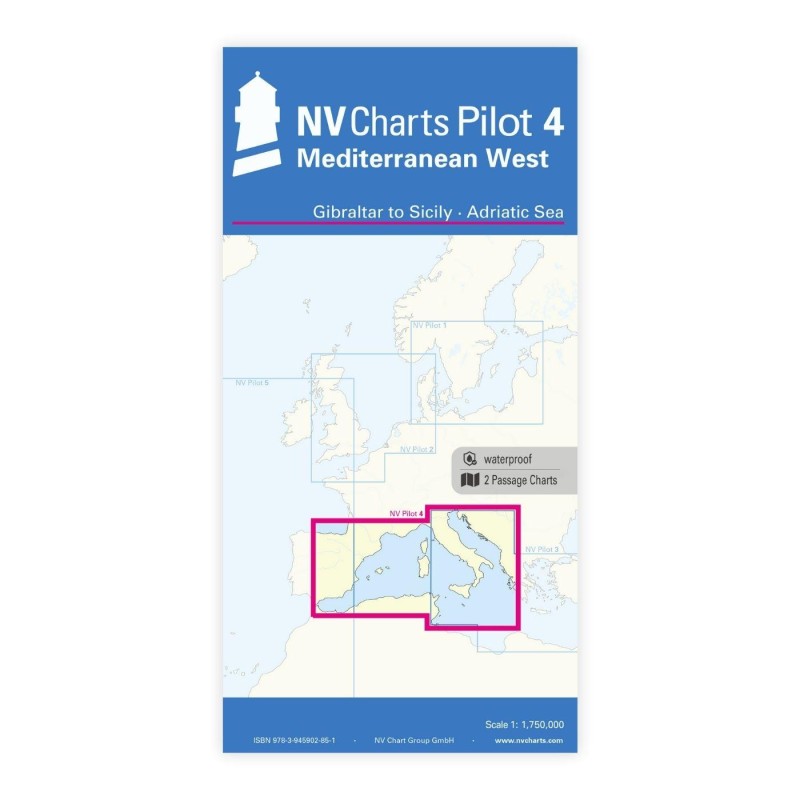 NV Charts Pilot 4 - Mediterranean West, Gibraltar to Sicily Adriatic Sea NV Verlag / NV Charts24,99 € incl. VAT, excl. Shipping
 -
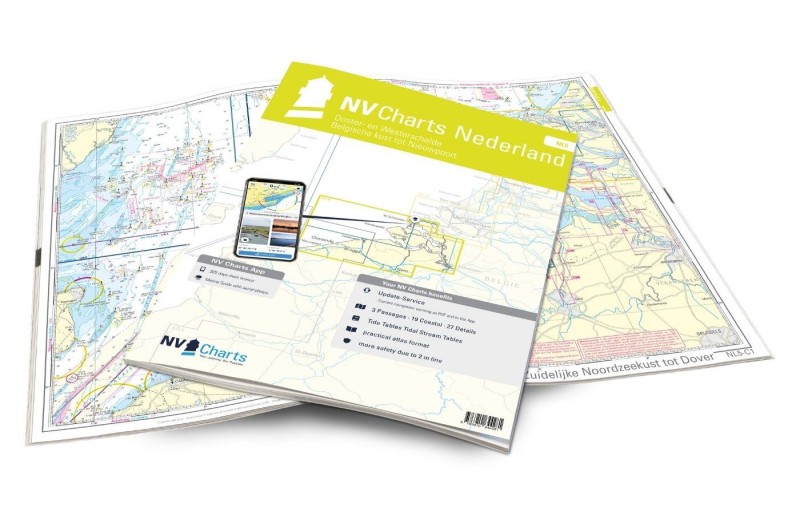 NV Charts Nederland NL5 - Ooster- en Westerschelde NV Verlag / NV Charts64,99 € incl. VAT, excl. Shipping
 -
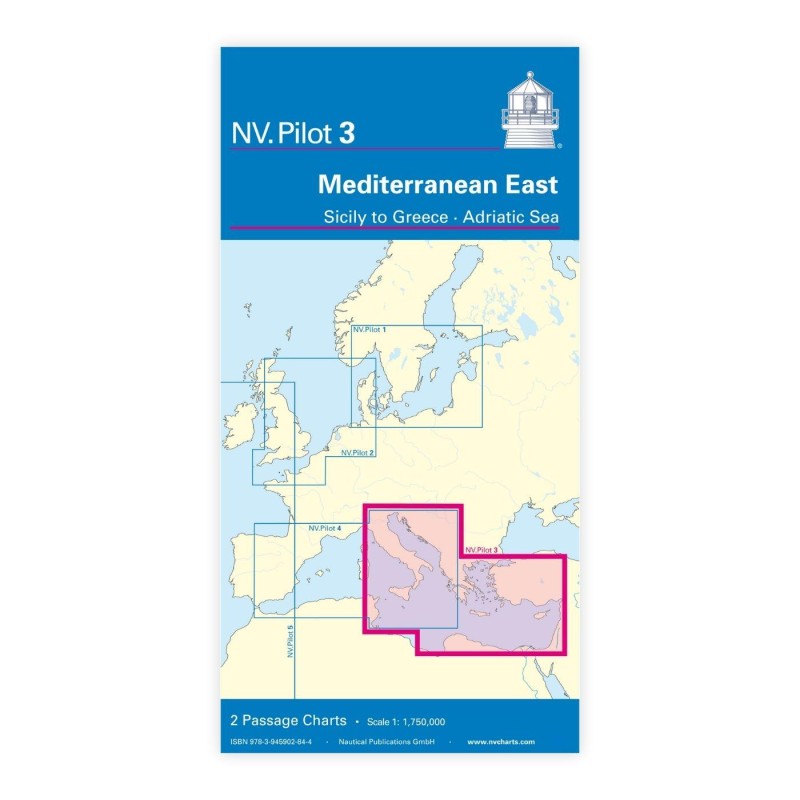 NV Charts Pilot 3 - Mediterranean East, Sicily to Greece Adriatic Sea NV Verlag / NV Charts24,99 € incl. VAT, excl. Shipping
 -
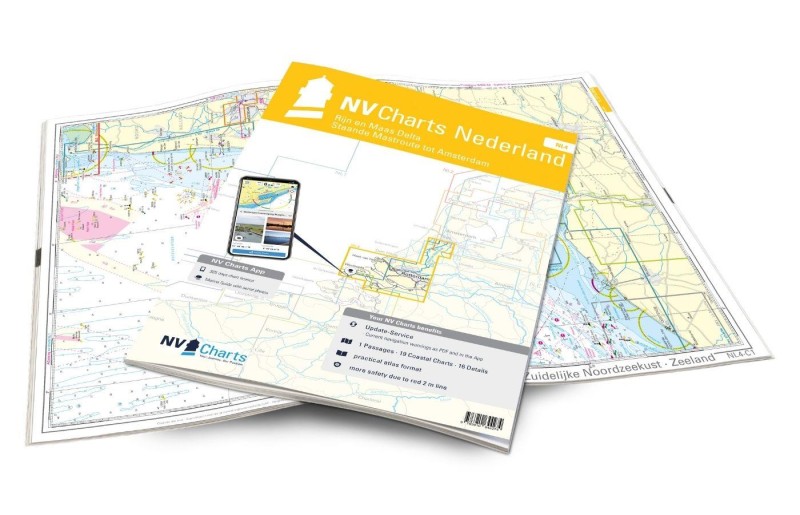 NV Charts Nederland NL4 - Rijn en Maas Delta NV Verlag / NV Charts64,99 € incl. VAT, excl. Shipping
 -
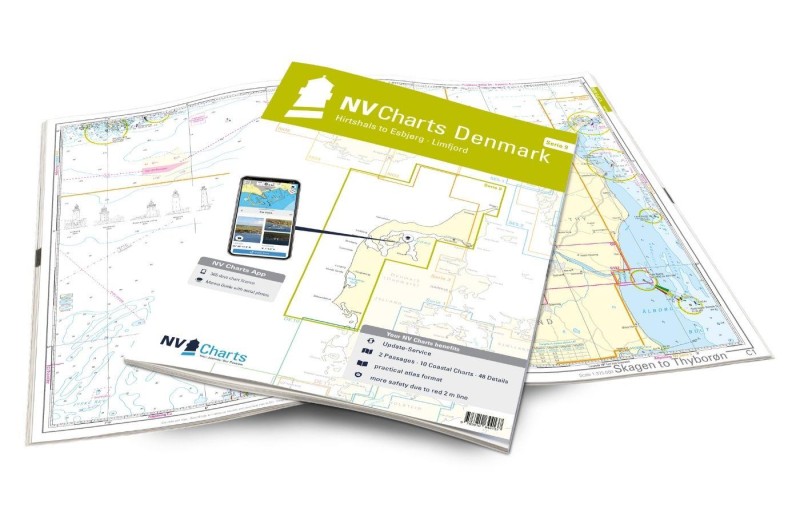 NV Charts Denmark Serie 9 - Hirtshals to Esbjerg & Limfjord NV Verlag / NV Charts64,99 € incl. VAT, excl. Shipping
 -
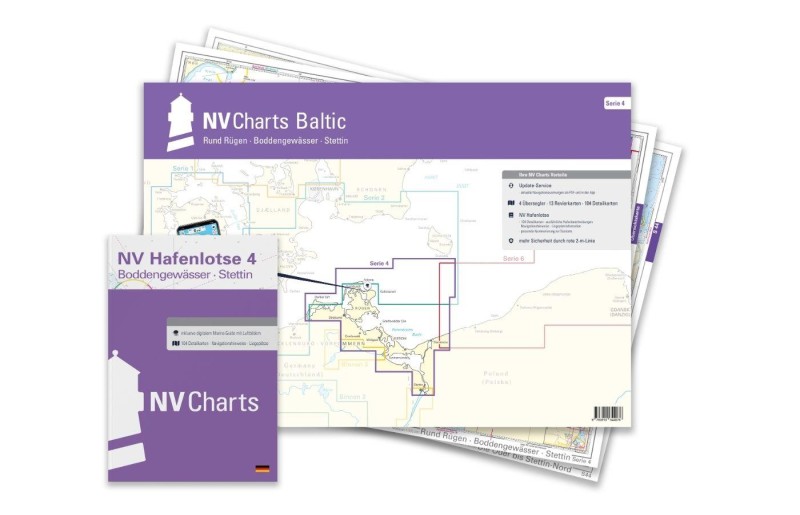 NV Charts Baltic Serie 4 Plano - Rund Rügen - Boddengewässer - Stettin NV Verlag / NV Charts74,99 € incl. VAT, excl. Shipping
 -
-
-
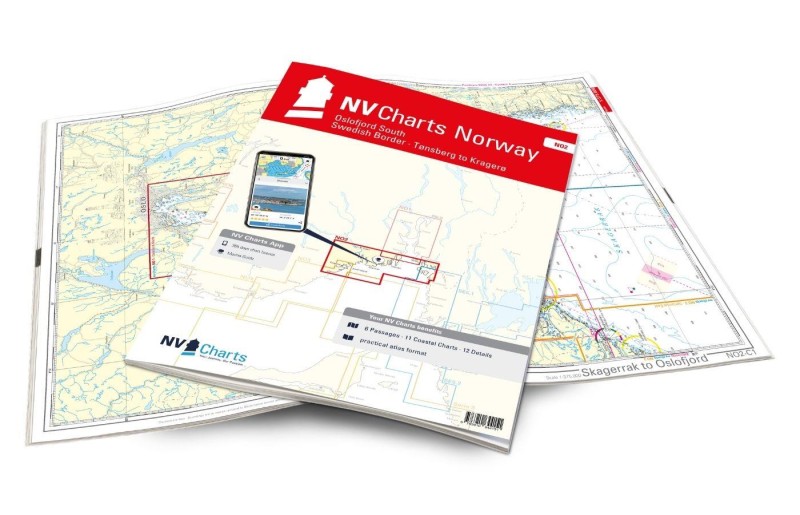 NV Charts Norway NO2 - Oslofjord Sør, Svenska Grensen til Kragerø NV Verlag / NV Charts74,99 € incl. VAT, excl. Shipping
 -
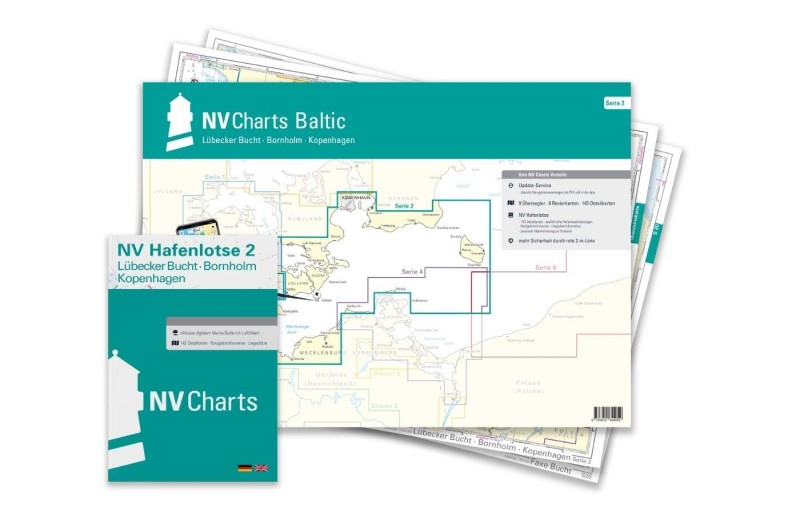 NV Charts Baltic Serie 2 Plano Lübecker Bucht - Bornholm - Kopenhagen NV Verlag / NV Charts94,99 € incl. VAT, excl. Shipping
 -
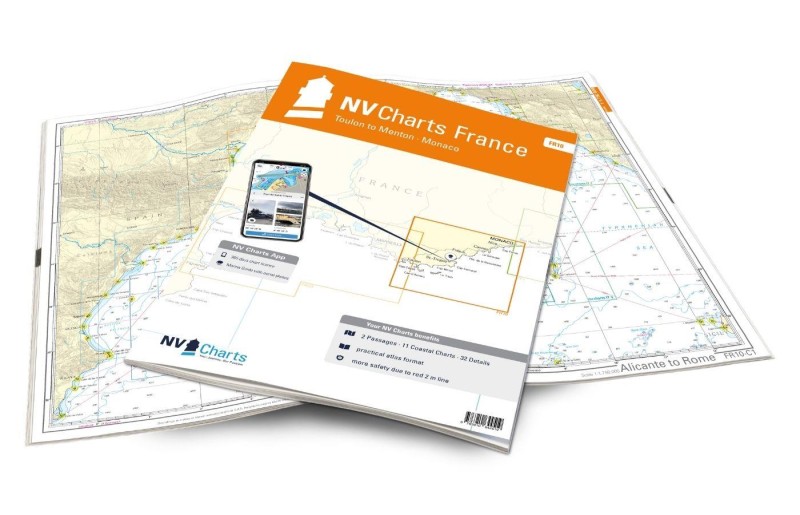 NV Charts France FR10 - Toulon to Menton, Monaco NV Verlag / NV Charts64,99 € incl. VAT, excl. Shipping
 -
-
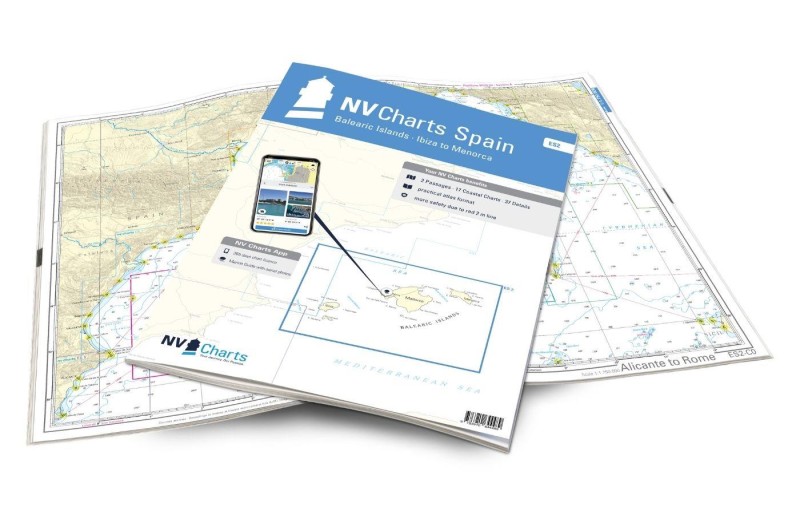 NV Charts Spain ES2 - Balearic Islands, Ibiza to Menorca NV Verlag / NV Charts64,99 € incl. VAT, excl. Shipping
 -
-
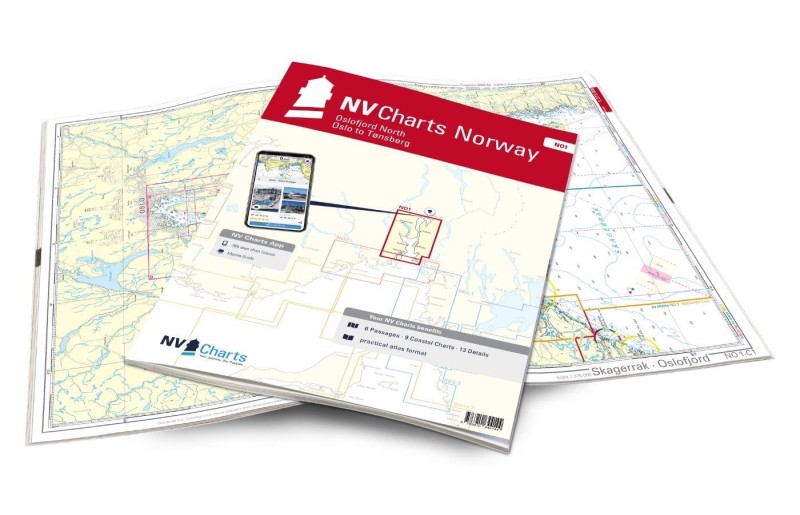 NV Charts Norway NO1 - Oslofjord Nord, Oslo to Tønsberg NV Verlag / NV Charts74,99 € incl. VAT, excl. Shipping
 -
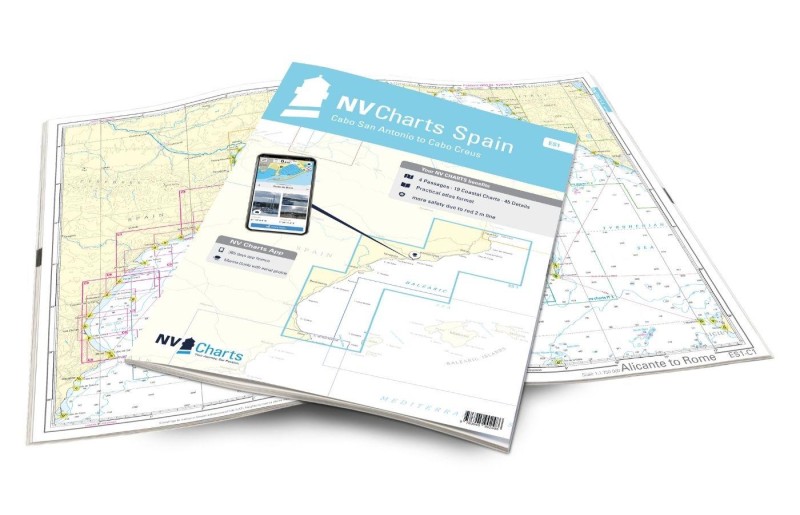 NV Charts Spain ES1 - Cabo San Antonio to Cabo Creus NV Verlag / NV Charts64,99 € incl. VAT, excl. Shipping
 -
 NV Charts Atlantic ATL3 - Atlantic Islands Azores - Madeira, Canary Islands, Cape Verde NV Verlag / NV Charts74,99 € incl. VAT, excl. Shipping
 -
 NV Charts Sverige SE 5.1 - Svenska Västkusten Norra NV Verlag / NV Charts69,90 € incl. VAT, excl. Shipping
 -
-
-
-
 NV Charts Norway NO3 - Sørlandet East - Kragerø to Kristiansand NV Verlag / NV Charts74,99 € incl. VAT, excl. Shipping
 -
-
-
-
 NV Charts Baltic Serie 6 - Polen - Litauen - Lettland NV Verlag / NV Charts94,99 € incl. VAT, excl. Shipping
 -
 NV Charts England UK4 - Selsey Bill to London NV Verlag / NV Charts64,99 € incl. VAT, excl. Shipping
 -
 NV Charts France FR4 - Les Sept Isles à Douarnenez NV Verlag / NV Charts64,99 € incl. VAT, excl. Shipping
 -
 NV Charts Spain ES3 - Gibraltar to Cabo de San Antonio NV Verlag / NV Charts64,99 € incl. VAT, excl. Shipping
 -
-
 NV Charts France FR6 - Lorient à l`Île de Noirmoutier NV Verlag / NV Charts64,99 € incl. VAT, excl. Shipping
 -
-
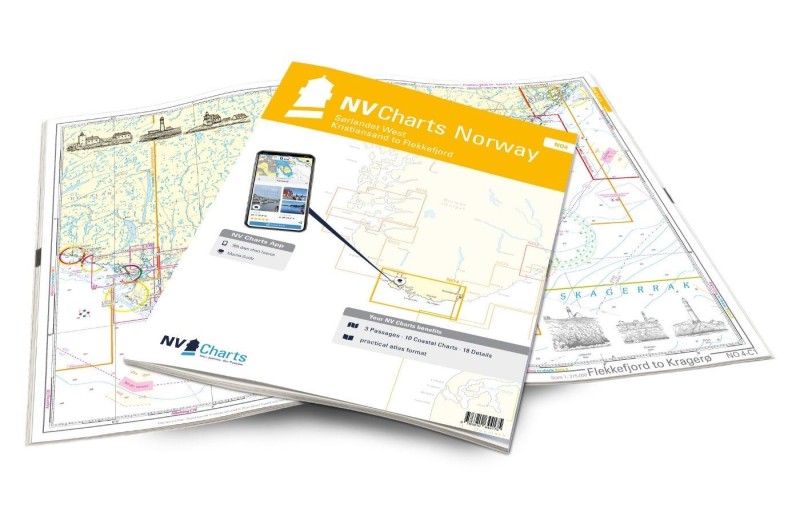 NV Charts Norway NO4 - Sørlandet West - Kristiansand to Flekkefjord NV Verlag / NV Charts74,99 € incl. VAT, excl. Shipping
 -
-
-
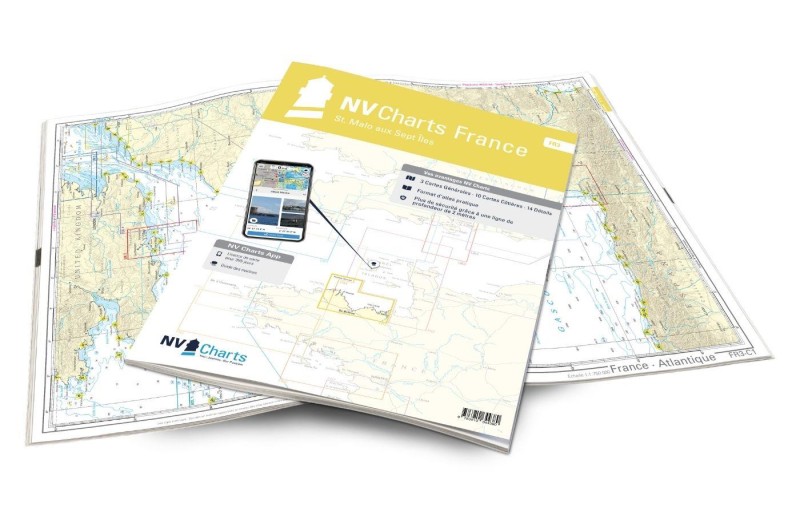 NV Charts France FR3 - St. Malo aux Sept Isles NV Verlag / NV Charts64,99 € incl. VAT, excl. Shipping
 -
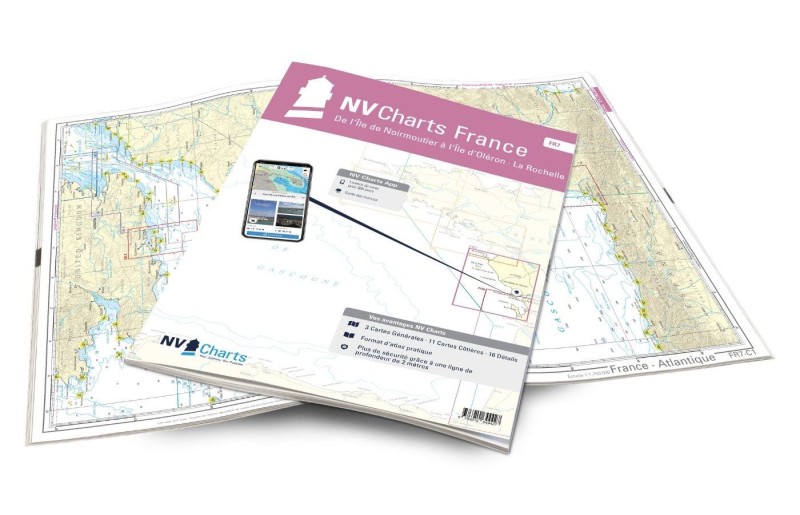 NV Charts France FR7 - Îles de Noirmoutier à Oléron NV Verlag / NV Charts64,99 € incl. VAT, excl. Shipping
 -
-
-
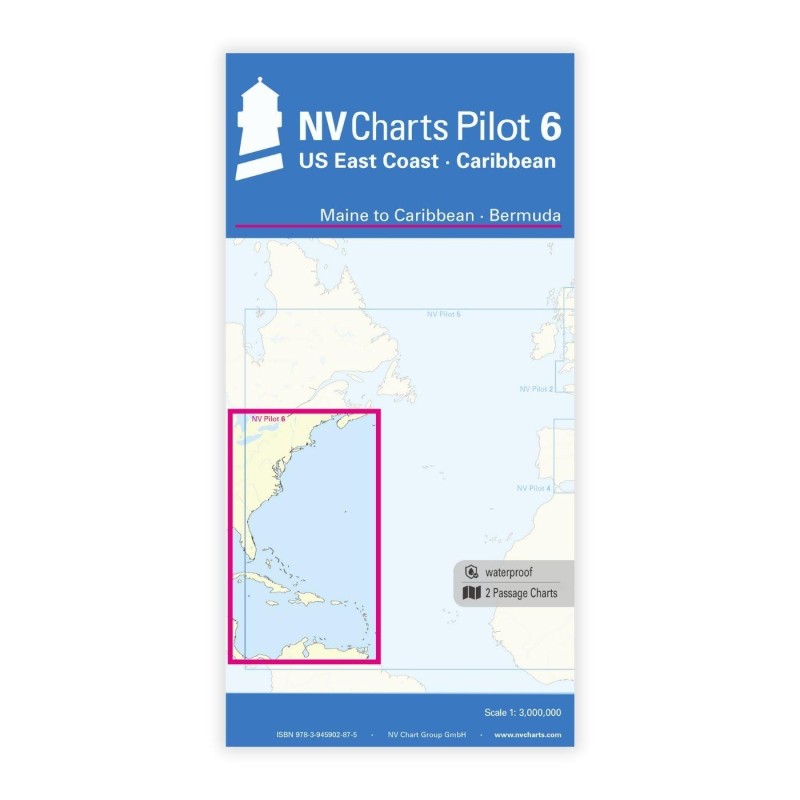 NV Charts Pilot 6 - US East Coast, Maine to Caribbean • Bermuda NV Verlag / NV Charts24,99 € incl. VAT, excl. Shipping
 -
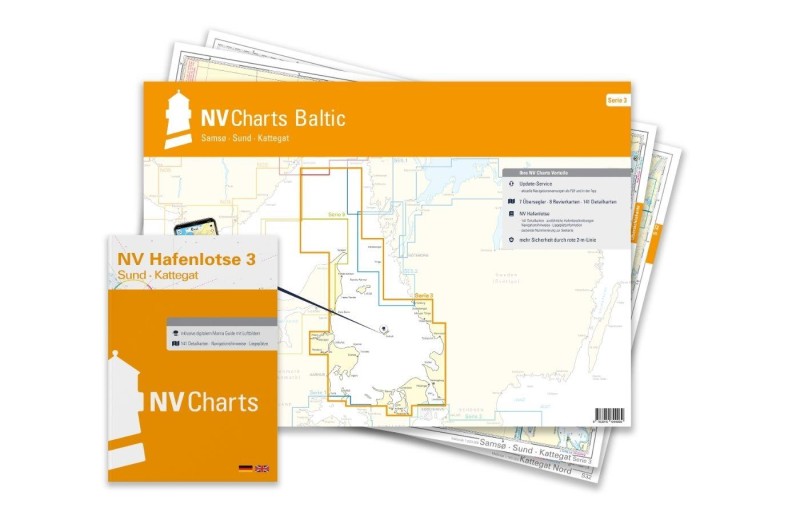 NV Charts Baltic Serie 3 Plano - Samsø-Sund-Kattegat NV Verlag / NV Charts74,99 € incl. VAT, excl. Shipping
 -
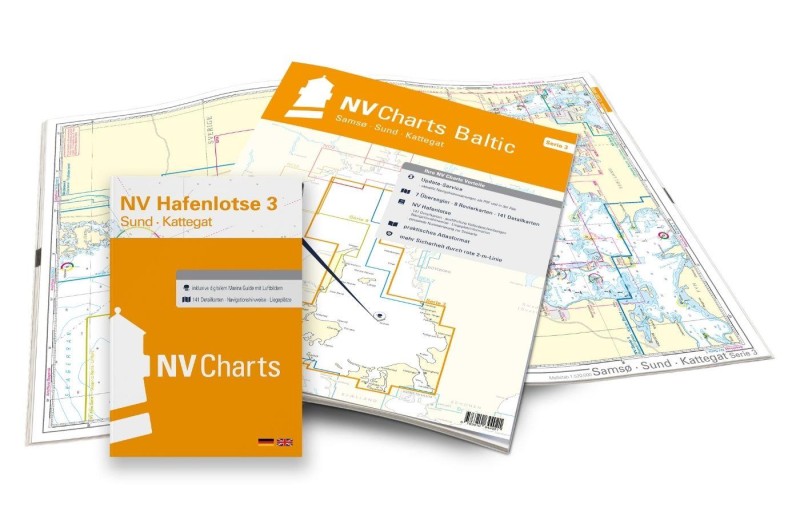 NV Charts Baltic Serie 3 - Samsø - Sund - Kattegat NV Verlag / NV Charts74,99 € incl. VAT, excl. Shipping
 -
-
-
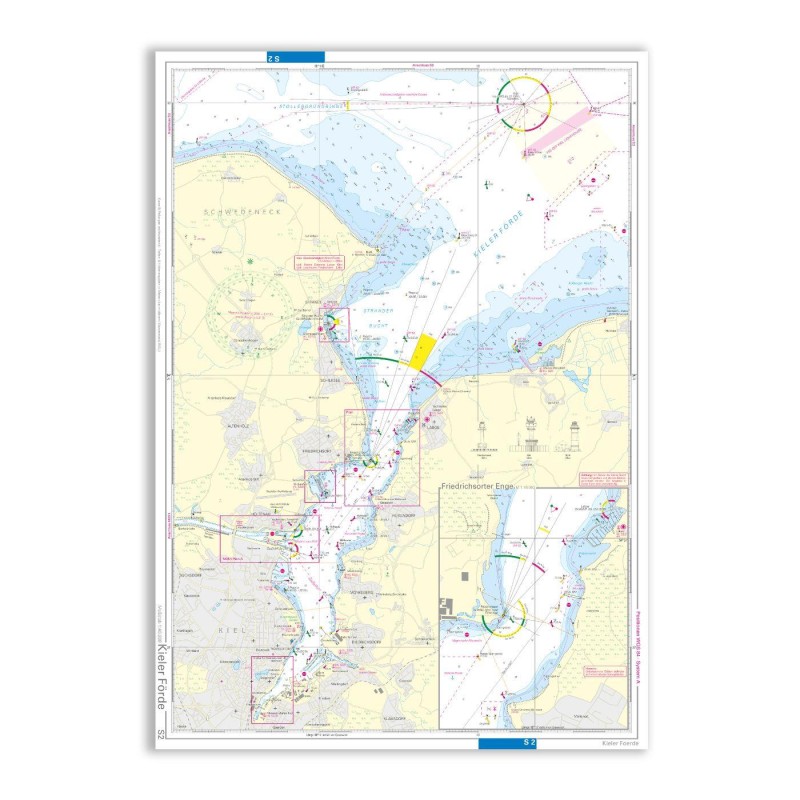 NV Charts Seekarte S2 Kieler Förde, Einzelkarte NV Verlag / NV Charts14,99 € incl. VAT, excl. Shipping
 -
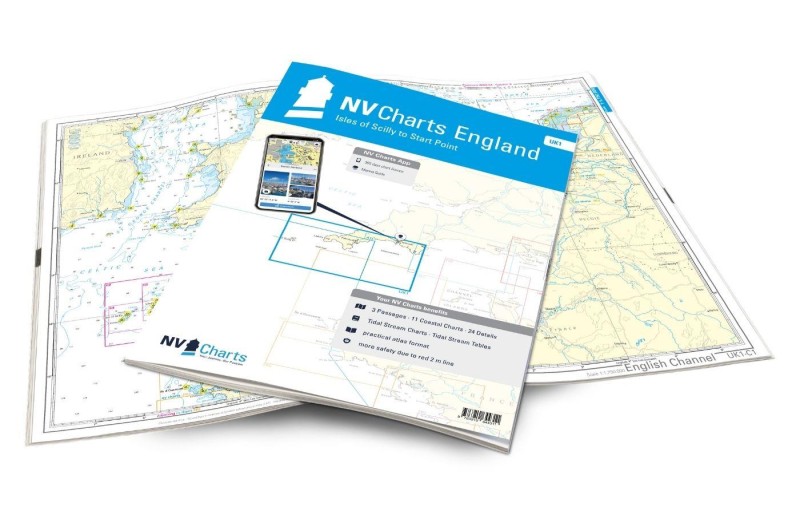 NV Charts England UK1 - Isles of Scilly to Start Point NV Verlag / NV Charts64,99 € incl. VAT, excl. Shipping
 -
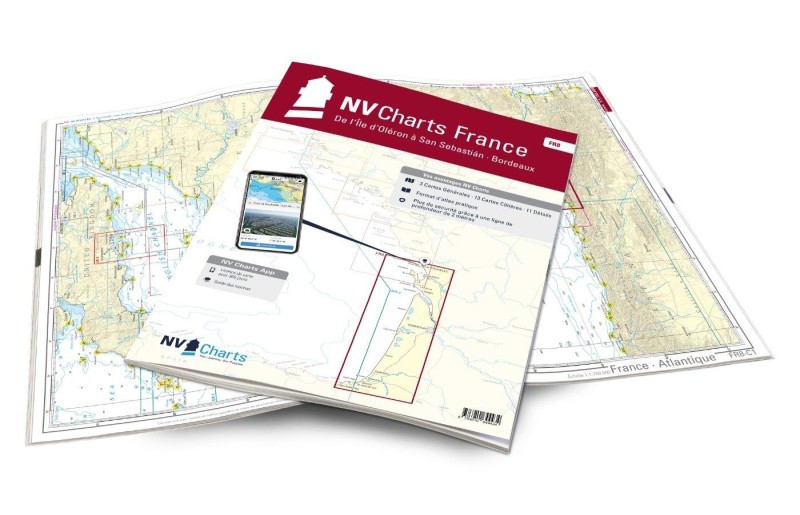 NV Charts France FR8 - Île d'Oléron à San Sebastian NV Verlag / NV Charts64,99 € incl. VAT, excl. Shipping
 -
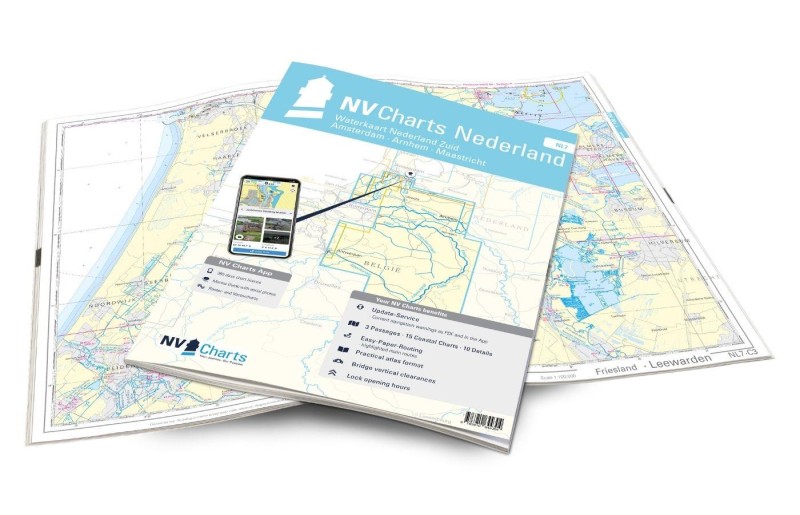 NV Charts Nederland NL7 - Waterkaart Nederland Zuid - Amsterdam - Arnhem - Maastricht NV Verlag / NV Charts64,99 € incl. VAT, excl. Shipping
 -
-
-
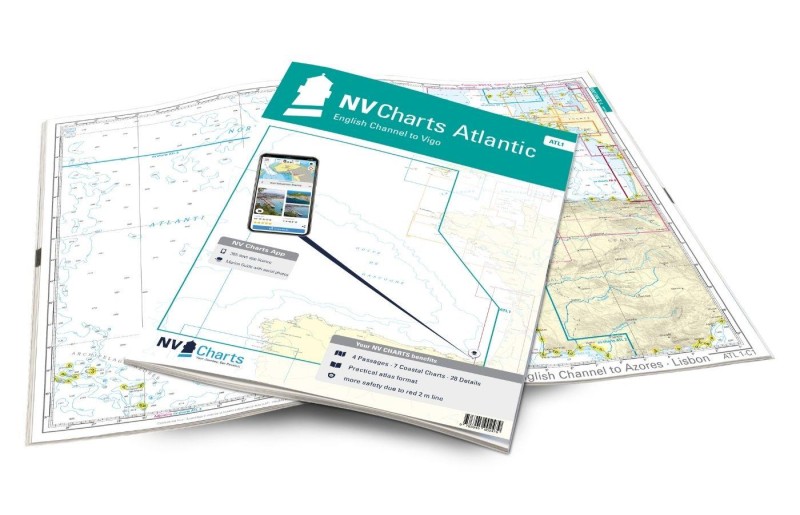 NV Charts Atlantic ATL1 - English Channel to Vigo NV Verlag / NV Charts74,99 € incl. VAT, excl. Shipping
 -
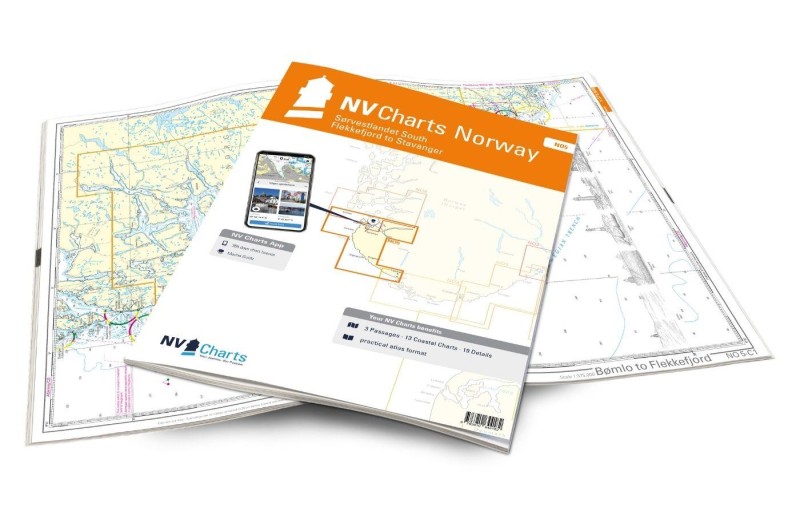 NV Charts Norway NO5 - Sørvestlandet South - Flekkefjord to Stavanger NV Verlag / NV Charts74,99 € incl. VAT, excl. Shipping
 -
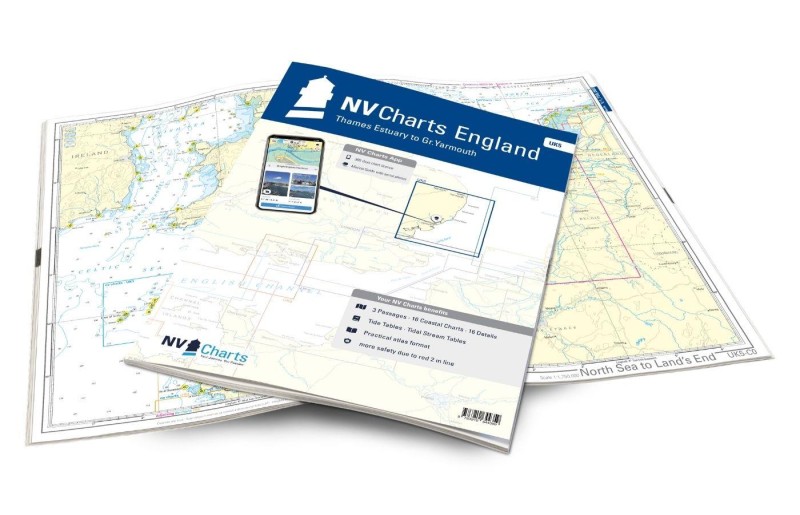 NV Charts England UK5 - Thames Estuary to Great Yarmouth NV Verlag / NV Charts64,99 € incl. VAT, excl. Shipping
 -
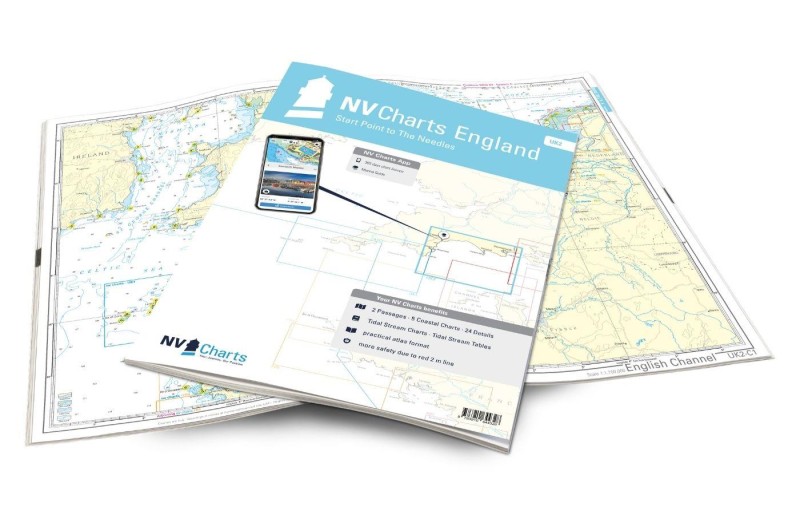 NV Charts England UK2 - Start Point to The Needles NV Verlag / NV Charts64,99 € incl. VAT, excl. Shipping
 -
-
-
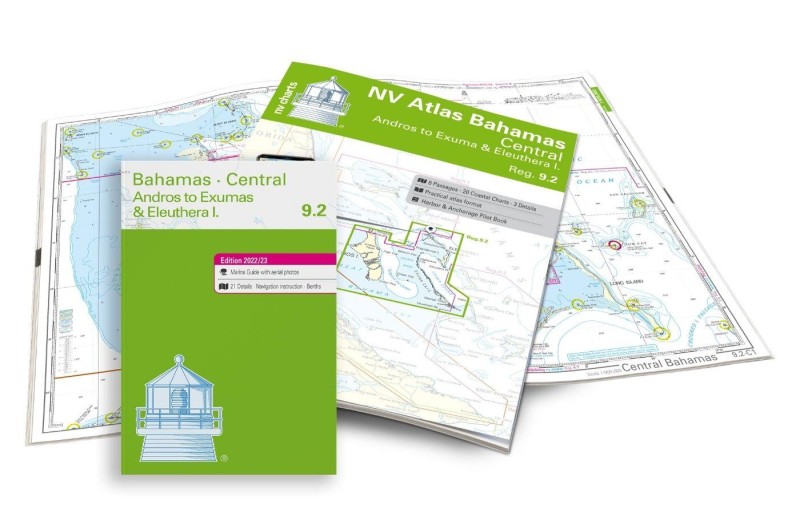 NV Charts Bahamas 9.2 - Central - Andros to Exumas & Eleuthera Islands NV Verlag / NV Charts74,99 € incl. VAT, excl. Shipping
 -
-
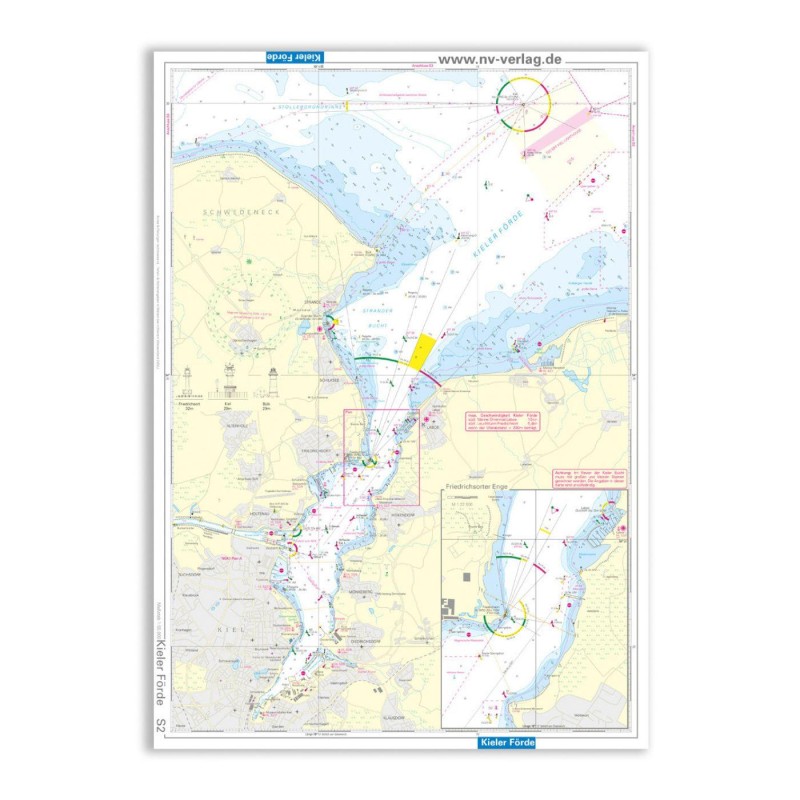 NV Einzelkarte Kieler Förde, Wasserfest / Kunststoff NV Verlag / NV Charts14,99 € incl. VAT, excl. Shipping
 -
-
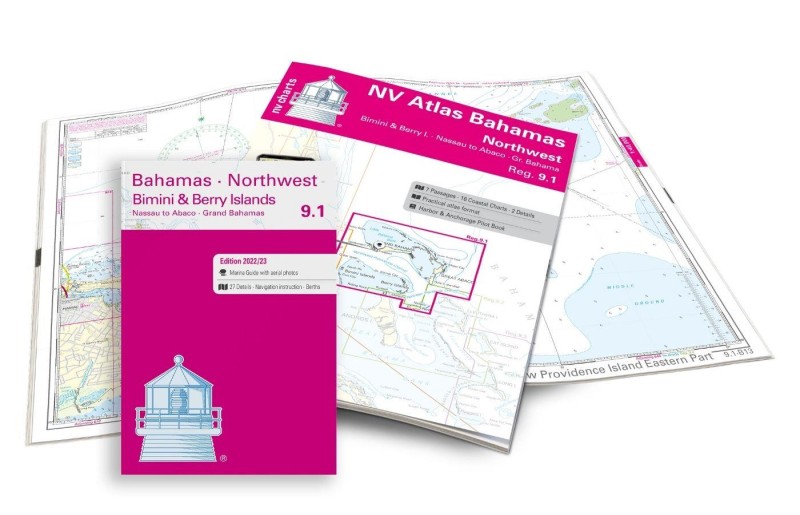 NV Charts Bahamas 9.1 - Northwest - Bimini & Berry Islands - Nassau to Abaco - Grand Bahama NV Verlag / NV Charts74,99 € incl. VAT, excl. Shipping
 -
-
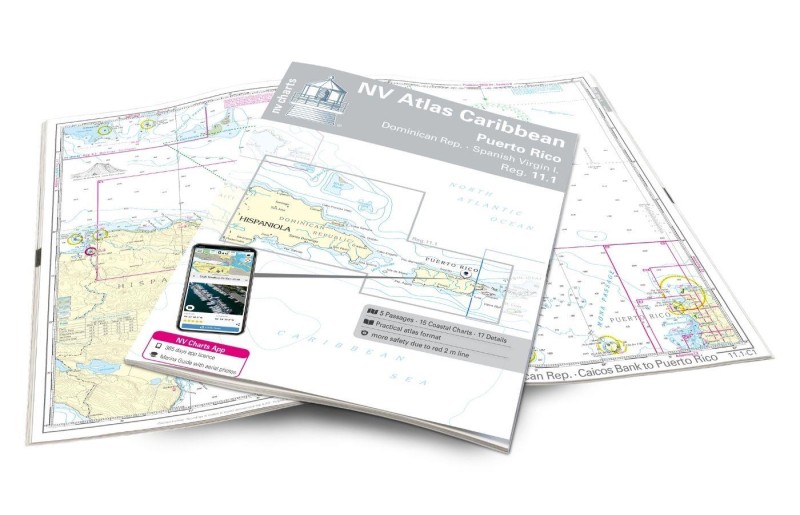 NV Charts Caribbean 11.1 - Puerto Rico - Dominican Republic - Spanish Virgin Islands NV Verlag / NV Charts94,99 € incl. VAT, excl. Shipping
 -
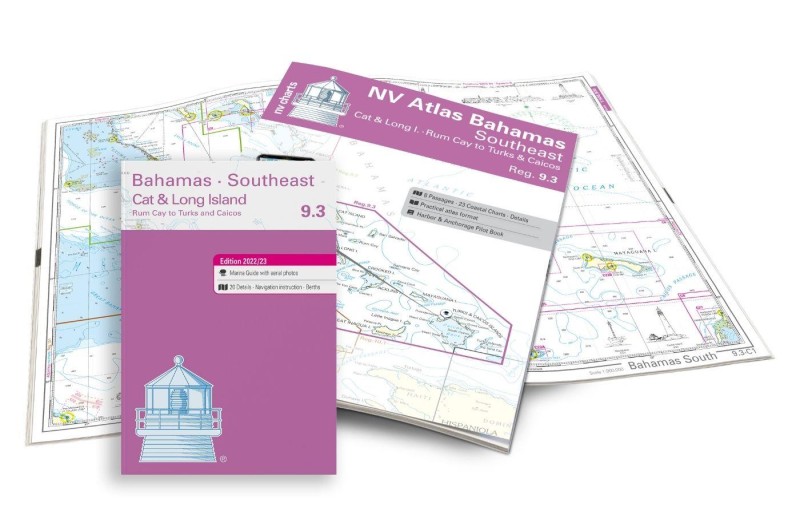 NV Charts Bahamas 9.3 - Southeast, Cat & Long Island - Rum Cay to Turks & Caicos NV Verlag / NV Charts74,99 € incl. VAT, excl. Shipping
 -
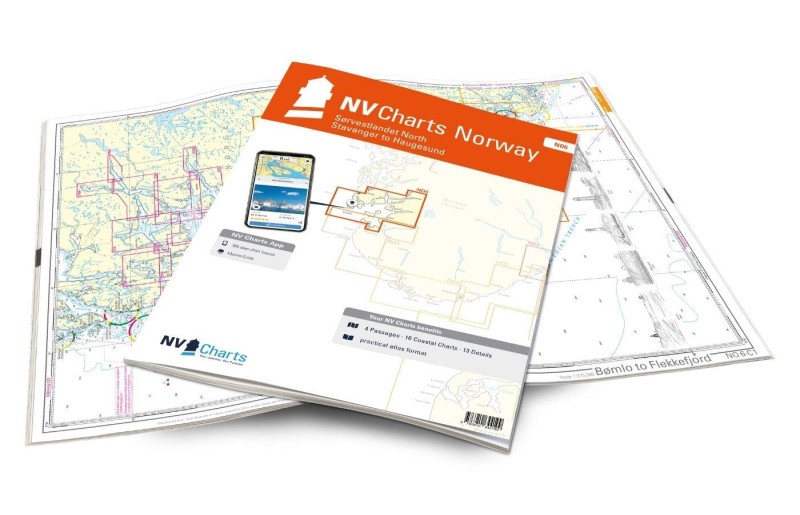 NV Atlas Norway NO6 - Sørvestlandet North - Stavanger to Haugesund NV Verlag / NV Charts74,99 € incl. VAT, excl. Shipping
 -
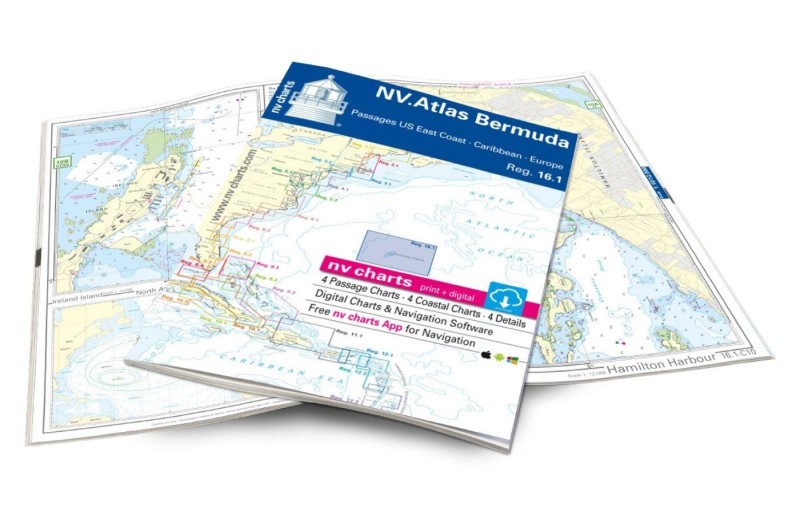 NV Charts Bermuda 16.1 - Passages US East Coast - Caribbean - Europe NV Verlag / NV Charts69,80 € incl. VAT, excl. Shipping
 -
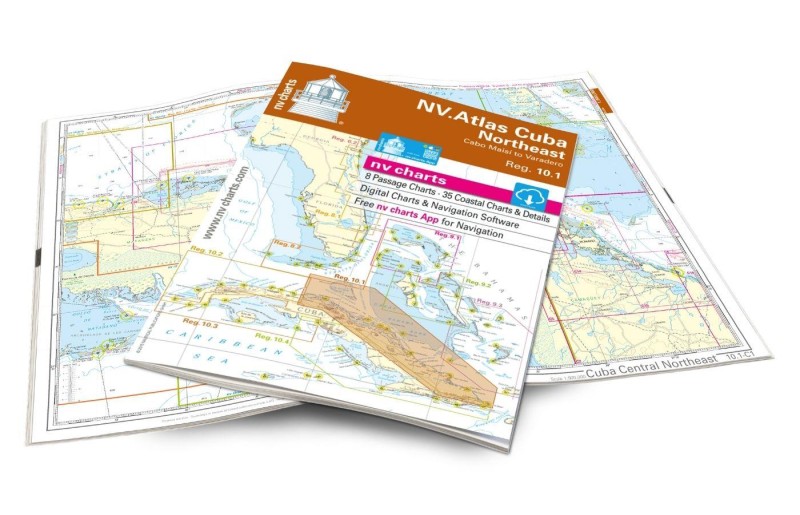 NV Charts Cuba 10.1 - Northeast Cuba, Cabo Maisi to Varadero NV Verlag / NV Charts94,99 € incl. VAT, excl. Shipping
 -
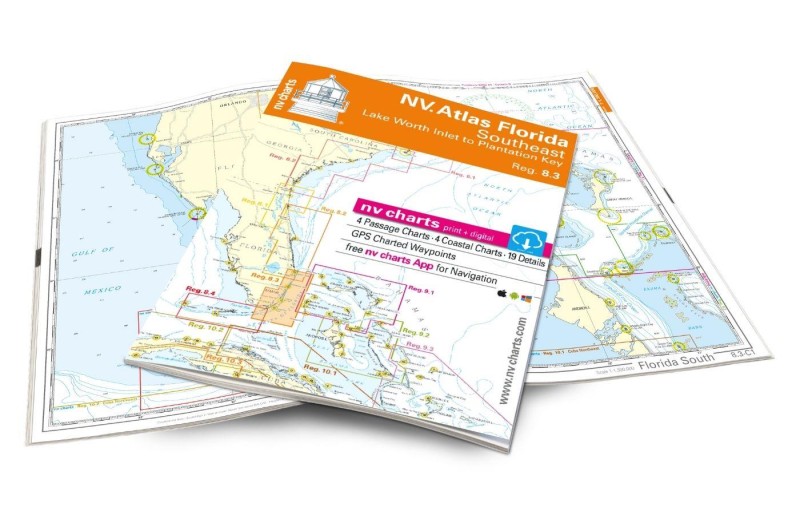 NV Atlas Florida Southeast Reg. 8.3 - Lake Worth Inlet to Plantation Key NV Verlag / NV Charts49,00 € incl. VAT, excl. Shipping
 -
-
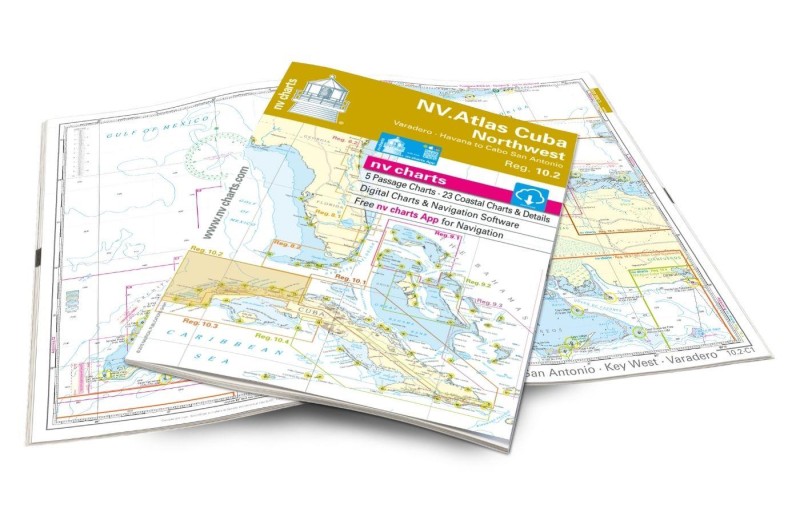 NV Charts Cuba 10.2 - Northwest - Varadero to Cabo San Antonio NV Verlag / NV Charts94,99 € incl. VAT, excl. Shipping
 -
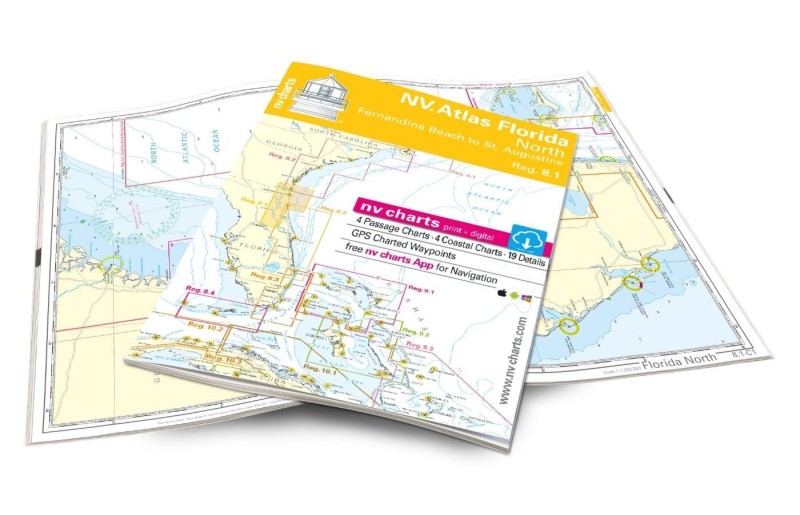 NV Atlas Florida North Reg. 8.1 - Fernandina Beach to St. Augustine NV Verlag / NV Charts49,00 € incl. VAT, excl. Shipping
 -
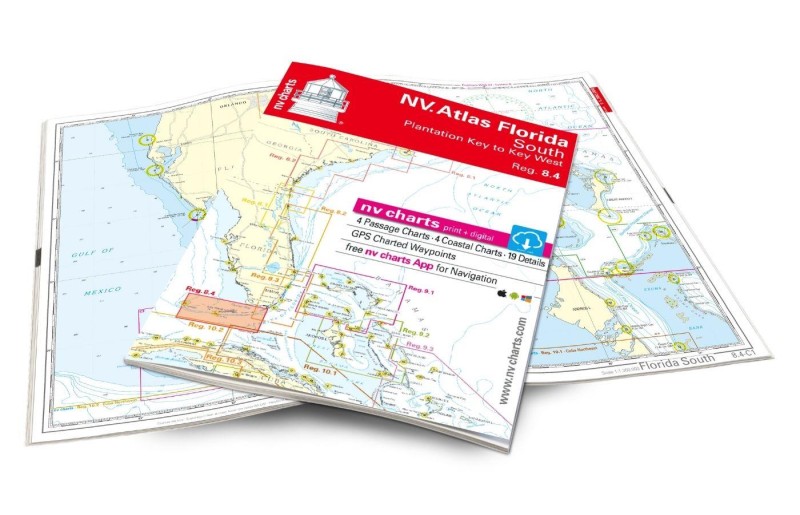 NV Charts Florida 8.4 - South Florida, Plantation Key to Key West NV Verlag / NV Charts49,00 € incl. VAT, excl. Shipping
 -
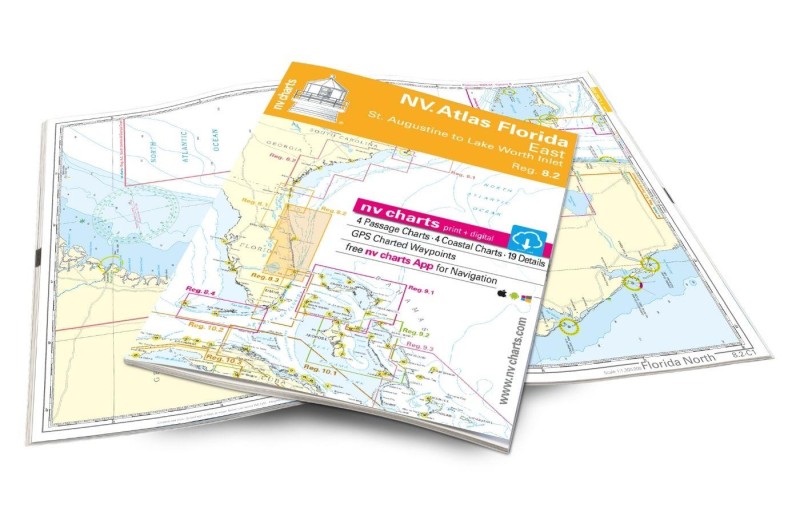 NV Atlas Florida, East Reg. 8.2 - St. Augustine to Lake Worth Inlet NV Verlag / NV Charts49,00 € incl. VAT, excl. Shipping
 -
-
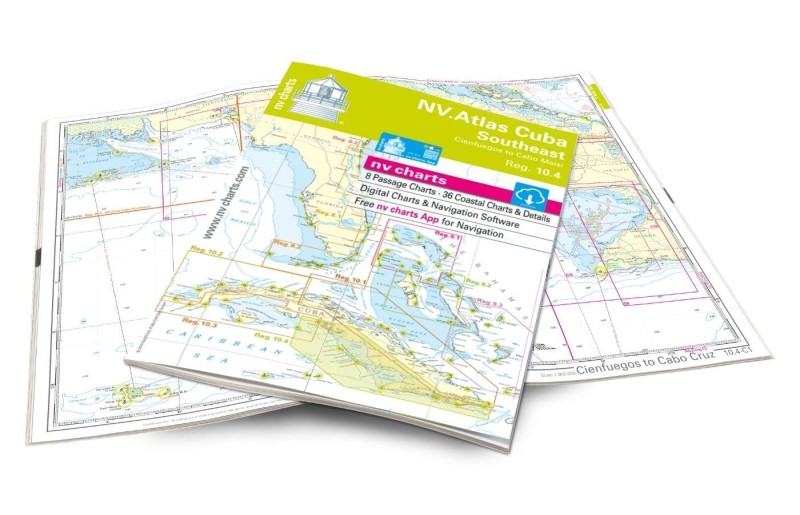 NV Charts Cuba 10.4 - Southeast - Trinidad to Cabo Maisi NV Verlag / NV Charts94,99 € incl. VAT, excl. Shipping
 WhatsApp
 Facebook
 E-Mail
 Copy
Copy