 Last edited
12.09.2023 at 13:50
by
Last edited
12.09.2023 at 13:50
by 

Latitude
56° 2’ 34.6” NLongitude
12° 36’ 54.8” EDescription
Large, modern marina complex north of the center of the traditional town of Helsingør.
NV Cruising Guide
Navigation
The entrance to the lighted harbor (Fl.R and Fl.G) is unproblematic by day and night. Coming from the north, keep to the northern green sector of the light Kronborg (Oc(2)WRG.6s) until it is possible to enter the harbor with a westerly course. The traffic separation area in the northern part of the Sound, which is used very intensively by large ships, should be avoided by pleasure boats at all costs. Under land can be at times a fairly strong current (up to 3 sm / h).
Achtung: The ferries operating between Helsingør and Helsingborg do not take into account the pleasure craft. In the harbor entrance, incoming ships have right of way.... The maximum permitted speed is 2 kn.
The commercial and ferry port of Helsingborg is closed to recreational shipping in principle. Large yachts (at least 50ft length) find berthing facilities in the modernized and redesigned cultural harbor in the north of the harbor basin. The harbor office can be reached via VHF channel 16 or telephone (45) 2531 1080. The entry is allowed only with permission of the harbor office and then in the time from quarter before to quarter after every hour.
Berths
If not just the mammoth regatta "Round Zealand" (with often over 1,000 ships) takes place, there are many guest places here. You put your ship in a free box (width often only 2.5m), but must report to the harbormaster. The water depth is 2 - 3 m. The equipment pier (crane, bunker) may only be occupied for a short time.
Surroundings
This modern marina, which is one of the largest in Denmark, offers all kinds of services (including customs, fuel, shipyard services and sailmaking). Utilities are available directly in the harbor or in the nearby center of Helsingør.
ÅLSGÅRDE:
The dinghy and small boat jetty about 3 nm northwest of Helsingør
is not suitable for yachts to moor.
NV Land Guide
As the starting point of the world's largest regatta, Helsingør is known above all to sailors. On up to 2,000 boats, 10,000 sailors fight to be the first to arrive back in Helsingør during the approximately three-day "Sealand Round Trip." One day before the regatta starts in mid-June, there is an absolute lack of space in the northern harbor with its 900 berths, even though it is one of the largest in the country. Therefore, Elsinore, as it is called in English, should be avoided during the mammoth regatta. Nevertheless, the harbor is worth a visit because of a number of sights - first and foremost, probably the most beautiful Renaissance castle in the north, the unmissable Kronsburg immediately south of the harbor.
The forerunner of the mighty structure on the Öresund was a castle built around 1420 by Erich of Pomerania, which soon became obsolete due to the rapid development of firearms. In 1558, the Saxon master builder Hans von Dieskau was commissioned to build bastions around the castle. And King Frederick II commissioned Hans van Paeschen in 1574 and Antonius van Opbergen in 1578 to rebuild the complex in the style of the Dutch Renaissance. For only a few years, the castle was one of the most magnificent buildings of the 16th century, before a major fire largely destroyed the Kronsburg in 1629. Although Christian IV had the castle rebuilt immediately, it served as barracks for many years and was therefore soon in need of renovation. In 1924, it was thoroughly renovated.
Right next to the Kronsburg is the new, extremely impressive Danish Maritime Museum. It documents the history of shipbuilding and maritime trade. It also explains where Frederick II took the immense funds to finance the construction: from the Sund customs duty. Every ship that passed through the Sound had to take off its flag and clear in Helsingør. Erich of Pomerania had already introduced this duty, which remained a nuisance for shipowners and captains of other seafaring nations for over 400 years. Cannons on both sides of the Sound, however, left sailors no choice but to pay.
Political pressure from European nations forced the abolition of the Sound duty in 1857. With military pressure, the Swedes had already abolished customs duties in 1658. In the Peace of Roskilde, the Danish province of Skåne fell to the Swedes, making Helsingør a border town in one fell swoop. Sweden was now a Sundan riparian itself.
One of the most impressive rooms in the castle is the 63-meter-long Knights' Hall. Below the ramparts in the casemates, the Viking chieftain Holger Danske, a statue of powerful, dark stature, waits to save the Danes. According to legend, however, he awakens only when the country is in the greatest danger. On the walkable bastions in front of the castle, Shakespeare lets the spirit of the Danish king pass the guards in his drama "Hamlet."
Worth seeing are, among other things, the furnishings of the King's Chamber and the Renaissance inventory in the castle church. Under the inner fortress walls are still the original crew casemates. A walk on and under the bastions is especially recommended in the evening sun, when isolated rays of sunlight bathe the corridors under the walls in yellow light in some places.
Helsingør has much more to offer than the castle. So you should not leave again without having been in Axeltorv (one kilometer southwest of the North Harbour). The large market square actually still fulfills the traditional function of a meeting place for young and old.
Southern flair arises when people enjoy the square in the middle of the city of 45,000 inhabitants on beautiful summer days. During the summer months, there is a market on Wednesdays and Sundays and a large flea market on Fridays.
Sights near the market square include Helsingør's well-preserved medieval town center, the town museum in the Carmelite House, the town hall and the churches of St. Olai and St. Mary. The glass mosaics in the town hall depict motifs from the town's history, in which Queen Margarethe I played a crucial role by uniting the three Nordic kingdoms in the Kalmar Union. The city benefited from its central location in this union. In addition, the queen brought in her great-nephew Erich of Pomerania (1412-1439) as heir to the throne, whose customs policy brought the city tremendous economic development.
The city museum in the old monastery buildings (600 meters south of the northern harbor), which is open daily, has an extensive collection of historic handicraft tools, and St. Mary's Church impresses with its magnificent furnishings and the magnificent organ on which the world-famous Baroque composer Dietrich Buxtehude played between 1660 and 1668. The musician's house can be visited at St. Annagade 6. Also in the Annagade (21) is a club pub worth seeing with a beautiful courtyard for wandering journeymen craftsmen.
Particularly in the Strandgade and the Stengade (pedestrian streets east of the market) there are a number of beautiful old houses to see. The pharmacy in Strandgade 77 dates from 1577, and the magistrate's court in Strandgade 74 dates from around 1530.
The Marienlyst Castle, which serves as a museum, stands 700 meters west of the North Harbour. It was originally built in 1587 as a royal garden house. Among the exhibition topics is the Sundzoll. The rooms of the castle are also used for temporary art exhibitions. Marienlyst Park features the Hamlet Memorial Tomb, a granite sarcophagus created by sculptor Utzon Frank in 1926. A must-see is the Maritime Museum, opened in 2013 at Ny Kronborgvej 1, right next to Kulturværftet. Set up in an old dry dock, a ramp leads to the underground museum rooms where Danish shipping history can be experienced.
One kilometer southwest of Marienlyst Castle, the Technical Museum displays means of transportation of bygone times, including Ellehammer's airplane from 1906 and the Danish car "Hammelvognen" from 1886. Old railroads, streetcars and buses can be seen as well as technical equipment from the beginnings of science and industry.
In the ferry and commercial port there is a lot of activity. Kronborgvej, south of the castle, and Færgevej are busy in the high season, as cars jam with passengers who want to cross to the Swedish side of the Öresund (25-minute drive). There is not much of this in the northern harbor, although its size means that it cannot be described as a quiet marina.
The dinghy and small boat jetty in Åalsgårde, three nautical miles northwest of Helsingør, is not suitable for keelboats. The outstanding sight here is Hammermølle, an old watermill two kilometers southwest of the jetty.
Marina Information
| Max Depth | 3 m |
Contact
| Phone | +45 4928 1080 |
| Please enable Javascript to read | |
| Website | https://www.helsingor-havne.dk |
Surroundings

Electricity

Water

Toilet

Shower

Restaurant

Imbiss

Crane

Atm

Internet

Fuel

Grocery

Boatyard

Ramp

Public Transport

Garbage

Sewage
Comments



You can add comments with the NV Charts App (Windows - iOS - Android - Mac OSX).
You can download the current version at nvcharts.com/app.
Buy nv charts covering this place Clicking one of the products will open the nv charts shop.
-
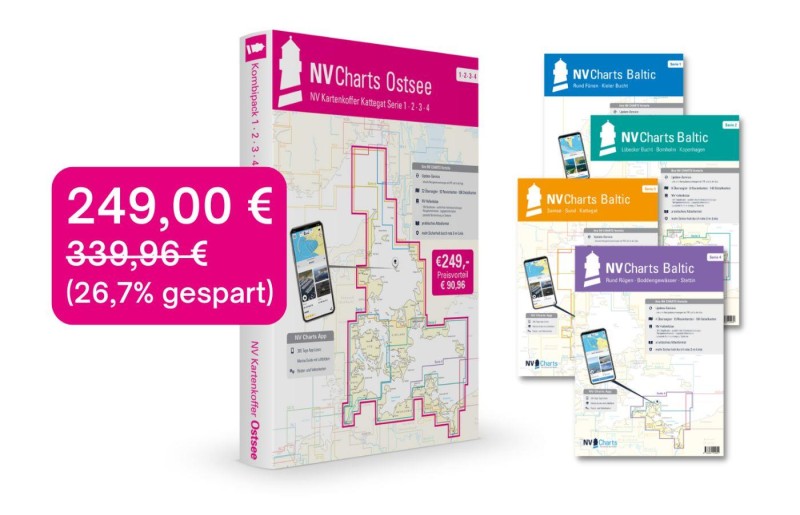 NV Charts Kartenkoffer Ostsee Serie 1, 2, 3, 4 NV Verlag / NV Charts249,00 € incl. VAT, excl. Shipping
 -
 NV Charts Nordsee DE13 - Ostfriesland, Borkum bis Helgoland & Ems NV Verlag / NV Charts64,99 € incl. VAT, excl. Shipping
 -
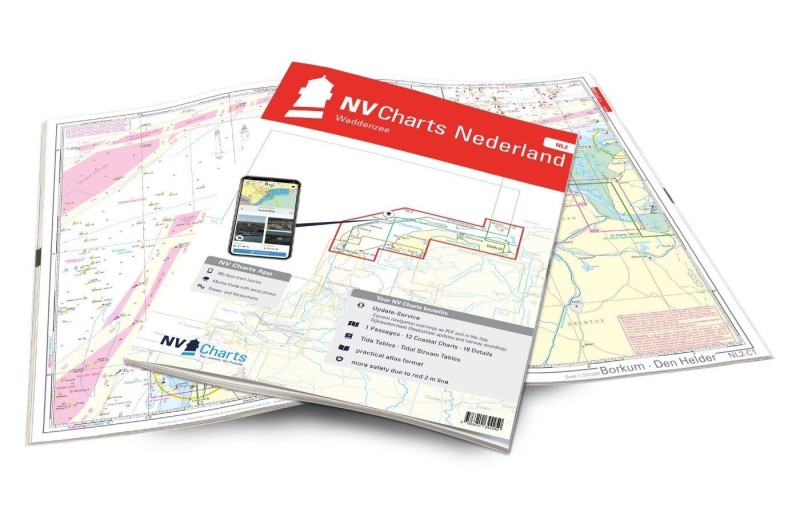
 NV Charts Nederland NL3 - IJsselmeer, Markermeer en Randmeeren NV Verlag / NV Charts64,99 € incl. VAT, excl. Shipping
 -
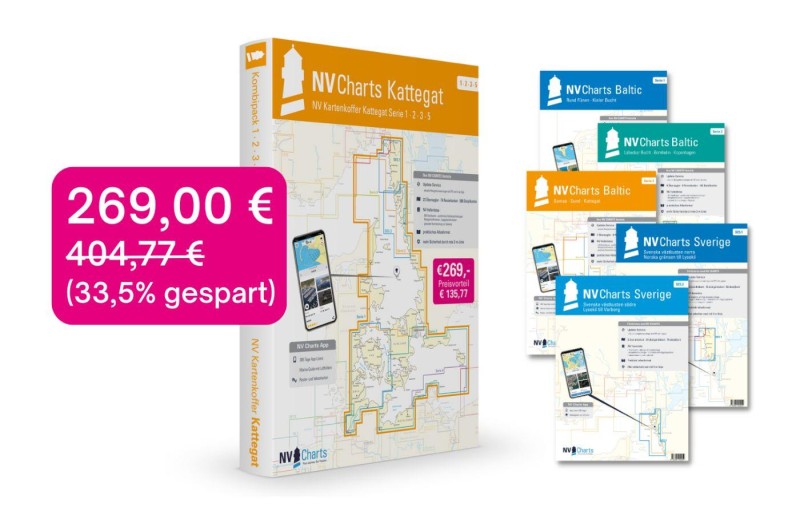 NV Atlas Kartenkoffer Kattegat Serie 1, 2, 3, 5.1, 5.2 NV Verlag / NV Charts269,00 € incl. VAT, excl. Shipping
 -
 NV Charts Nordsee DE11 - Elbe, Hamburg bis Helgoland NV Verlag / NV Charts64,99 € incl. VAT, excl. Shipping
 -
 NV Charts Nordsee DE12 - Weser, Bremen bis Helgoland & Jade NV Verlag / NV Charts64,99 € incl. VAT, excl. Shipping
 -
-
-
 NV Charts Nederland NL6 - Waterkaart Nederland Noord - Friesland - Groningen tot Arnhem NV Verlag / NV Charts64,99 € incl. VAT, excl. Shipping
 -
 NV Charts Baltic Plano Kartenkoffer Ostsee Serie 1, 2, 3, 4 NV Verlag / NV Charts249,00 € incl. VAT, excl. Shipping
 -
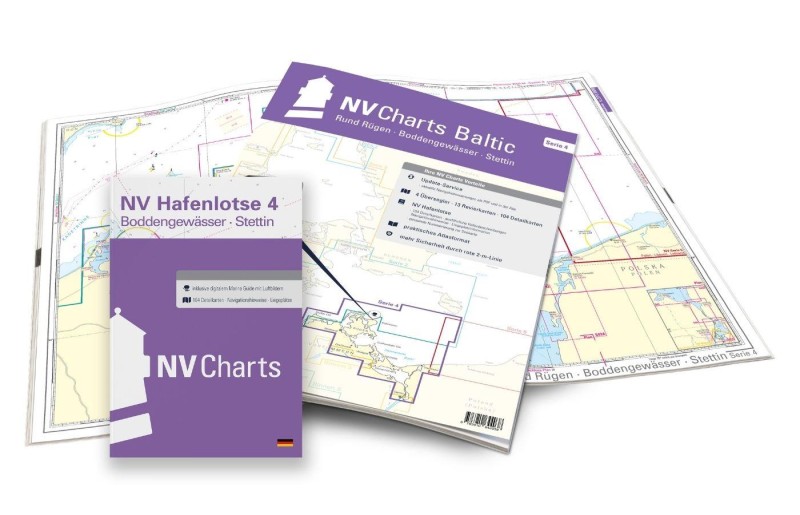 NV Charts Baltic Serie 4 Rund Rügen - Boddengewässer - Stettin NV Verlag / NV Charts74,99 € incl. VAT, excl. Shipping
 -
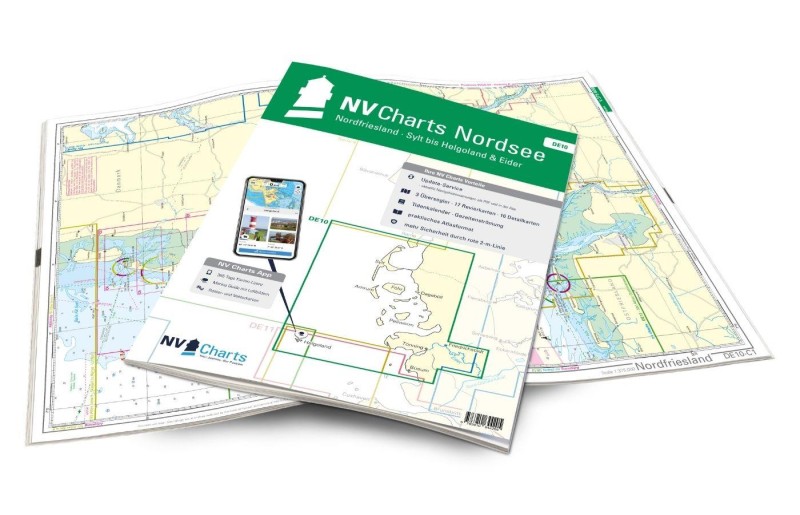 NV Atlas Nordsee DE10 - Nordfriesland, Sylt bis Helgoland & Eider NV Verlag / NV Charts64,99 € incl. VAT, excl. Shipping
 -
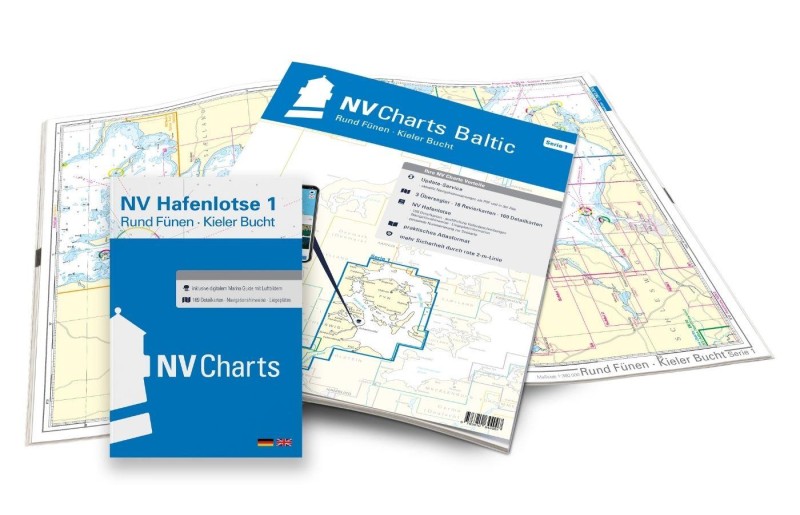 NV Charts Baltic Serie 1, Rund Fünen-Kieler Bucht NV Verlag / NV Charts94,99 € incl. VAT, excl. Shipping
 -
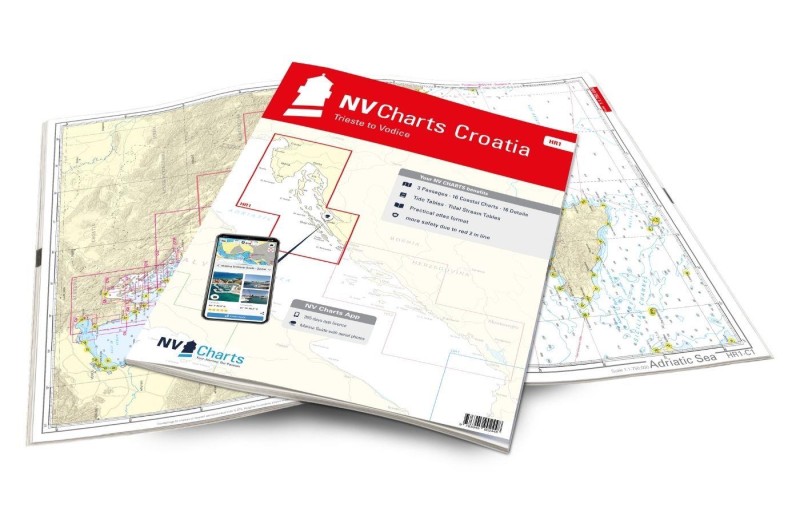
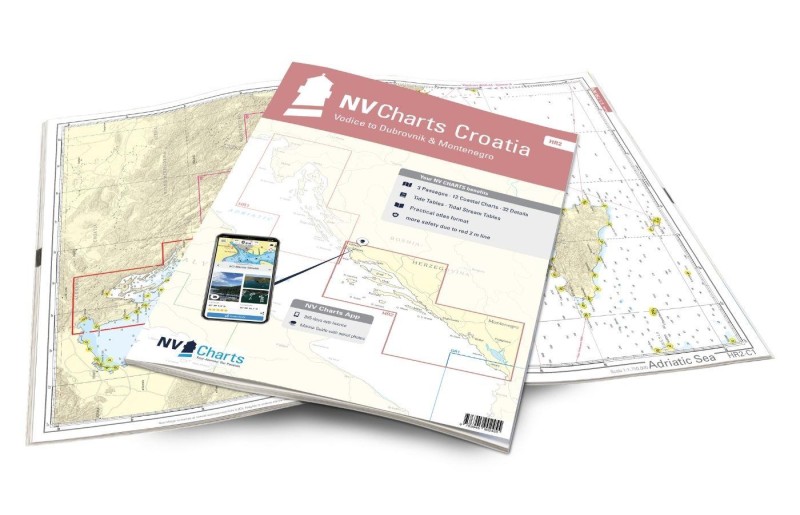 NV Atlas Croatia HR2 - Vodice to Dubrovnik & Montenegro NV Verlag / NV Charts64,99 € incl. VAT, excl. Shipping
 -
 NV Charts Greece GR1 - Griechenland Ionische Inseln & Peloponnes - Albanien NV Verlag / NV Charts74,99 € incl. VAT, excl. Shipping
 -
 NV Charts Sverige SE 5.2 - Svenska Västkusten Södra NV Verlag / NV Charts69,90 € incl. VAT, excl. Shipping
 -
 NV Plano Baltic Serie 1, Rund Fünen-Kieler Bucht NV Verlag / NV Charts94,99 € incl. VAT, excl. Shipping
 -
 NV Charts Pilot 2 North Sea - Falmouth to Kristiansand - Inverness NV Verlag / NV Charts24,99 € incl. VAT, excl. Shipping
 -
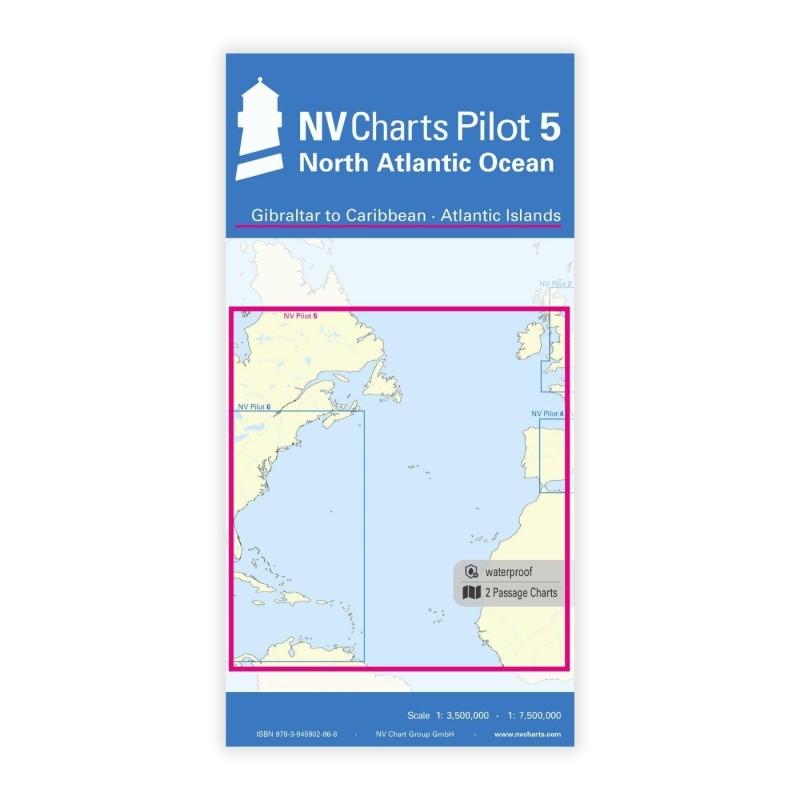 NV Charts Pilot 5 North Atlantic Ocean - Gibraltar to Caribbean, Atlantic Islands NV Verlag / NV Charts24,99 € incl. VAT, excl. Shipping
 -
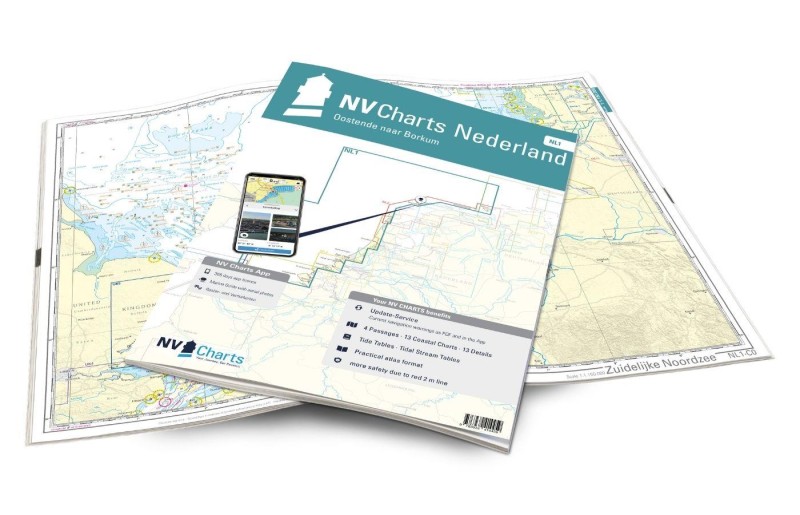 NV Charts Nederland NL1 - Oostende naar Borkum NV Verlag / NV Charts64,99 € incl. VAT, excl. Shipping
 -
-
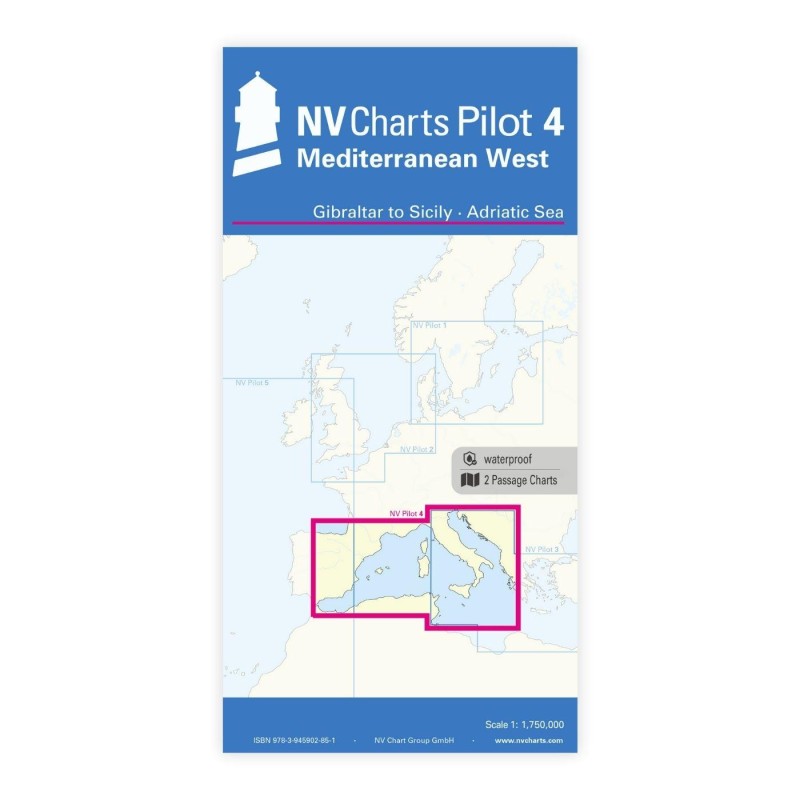 NV Charts Pilot 4 - Mediterranean West, Gibraltar to Sicily Adriatic Sea NV Verlag / NV Charts24,99 € incl. VAT, excl. Shipping
 -
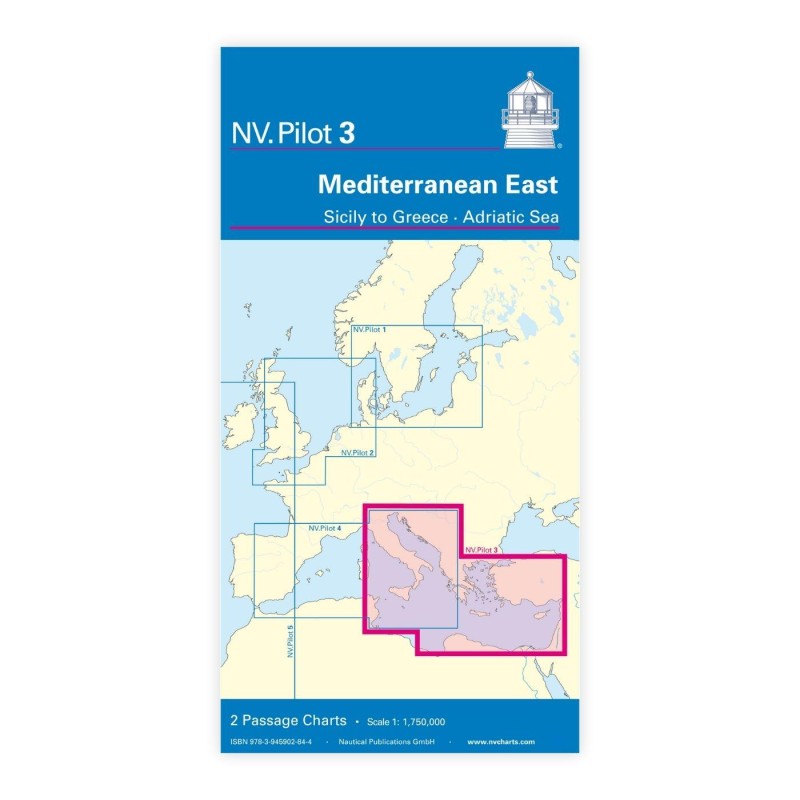 NV Charts Pilot 3 - Mediterranean East, Sicily to Greece Adriatic Sea NV Verlag / NV Charts24,99 € incl. VAT, excl. Shipping
 -
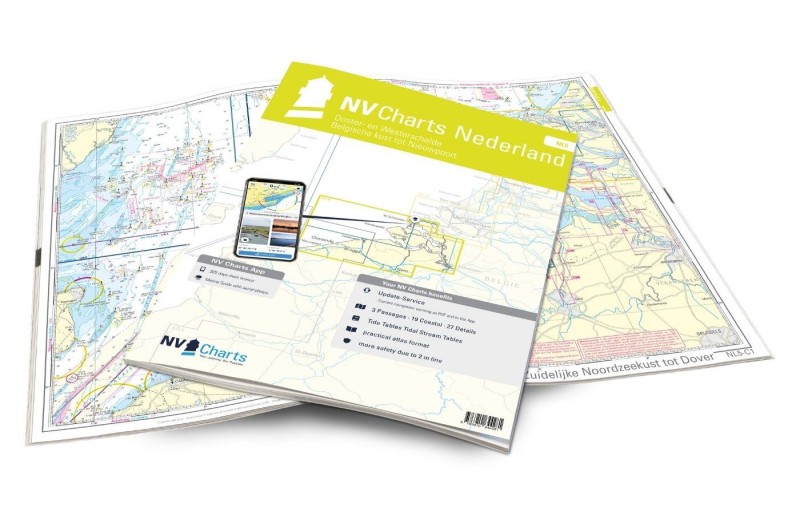 NV Charts Nederland NL5 - Ooster- en Westerschelde NV Verlag / NV Charts64,99 € incl. VAT, excl. Shipping
 -
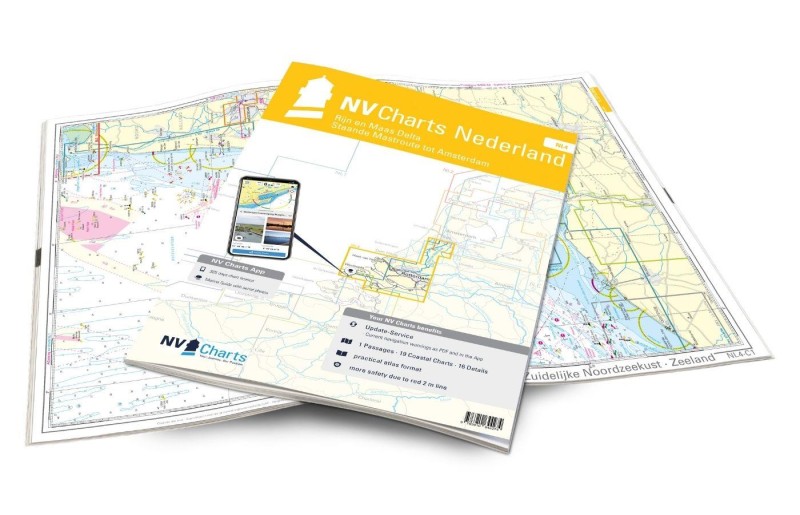 NV Charts Nederland NL4 - Rijn en Maas Delta NV Verlag / NV Charts64,99 € incl. VAT, excl. Shipping
 -
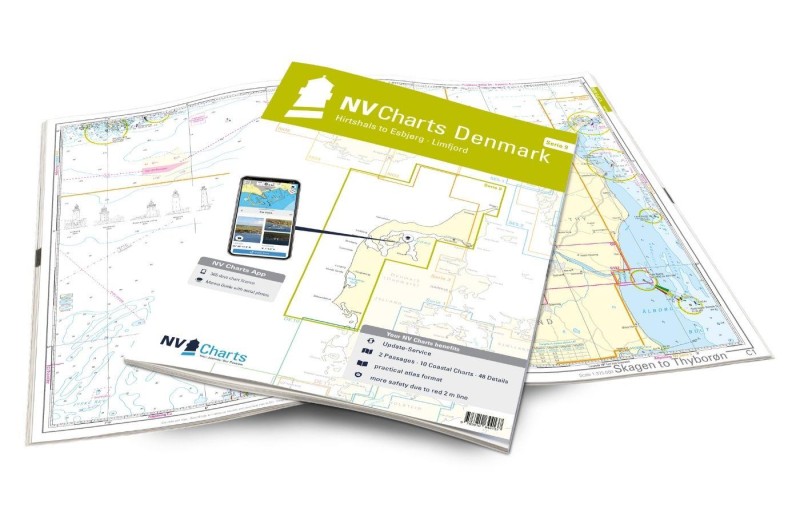 NV Charts Denmark Serie 9 - Hirtshals to Esbjerg & Limfjord NV Verlag / NV Charts64,99 € incl. VAT, excl. Shipping
 -
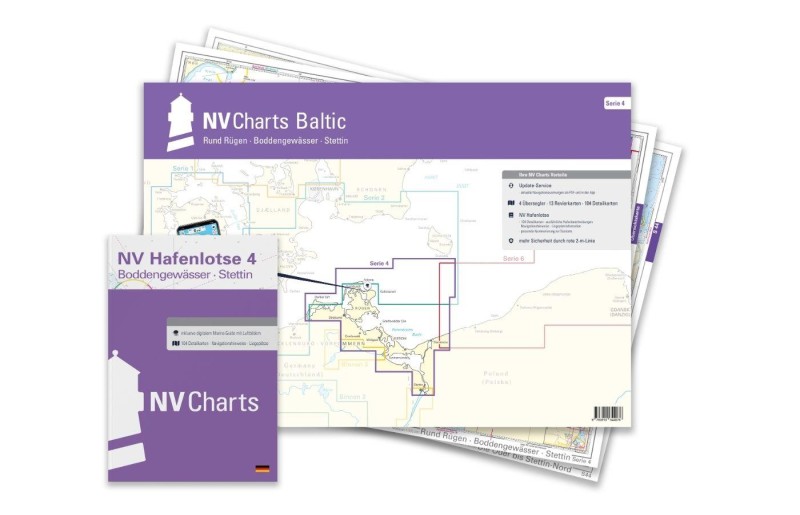 NV Charts Baltic Serie 4 Plano - Rund Rügen - Boddengewässer - Stettin NV Verlag / NV Charts74,99 € incl. VAT, excl. Shipping
 -
-
-
 NV Charts Norway NO2 - Oslofjord Sør, Svenska Grensen til Kragerø NV Verlag / NV Charts74,99 € incl. VAT, excl. Shipping
 -
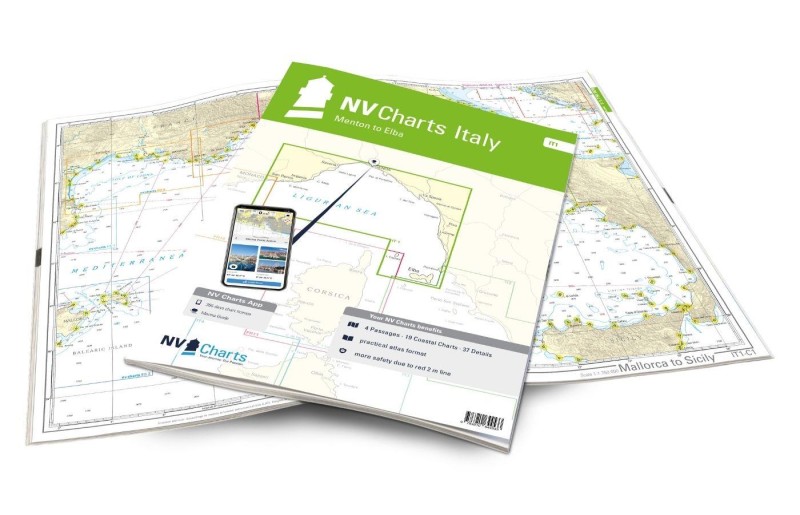
 NV Charts France FR10 - Toulon to Menton, Monaco NV Verlag / NV Charts64,99 € incl. VAT, excl. Shipping
 -
-
 NV Charts Spain ES2 - Balearic Islands, Ibiza to Menorca NV Verlag / NV Charts64,99 € incl. VAT, excl. Shipping
 -
-
 NV Charts Norway NO1 - Oslofjord Nord, Oslo to Tønsberg NV Verlag / NV Charts74,99 € incl. VAT, excl. Shipping
 -
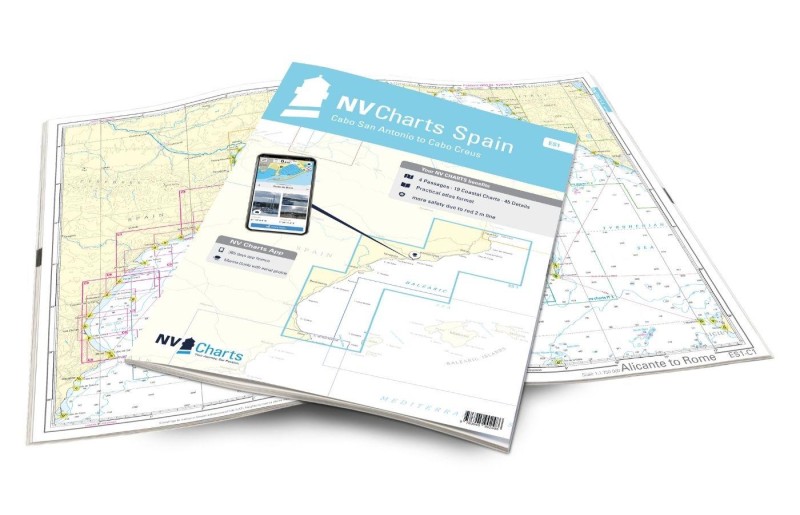 NV Charts Spain ES1 - Cabo San Antonio to Cabo Creus NV Verlag / NV Charts64,99 € incl. VAT, excl. Shipping
 -
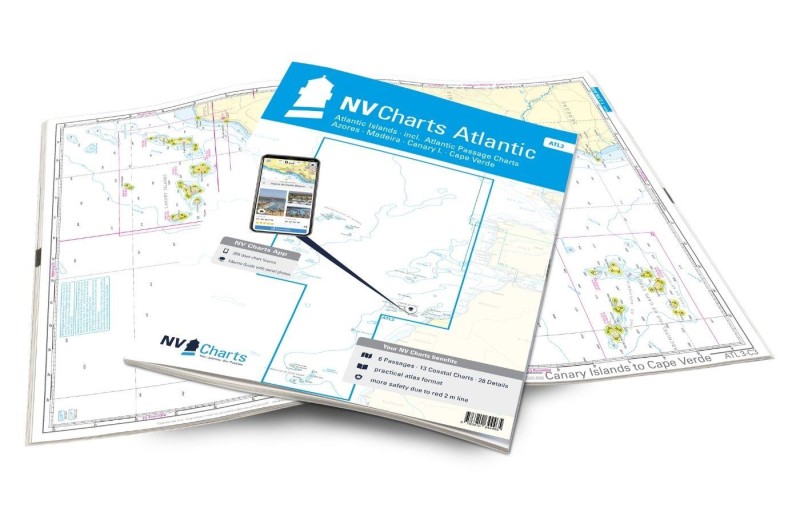 NV Charts Atlantic ATL3 - Atlantic Islands Azores - Madeira, Canary Islands, Cape Verde NV Verlag / NV Charts74,99 € incl. VAT, excl. Shipping
 -
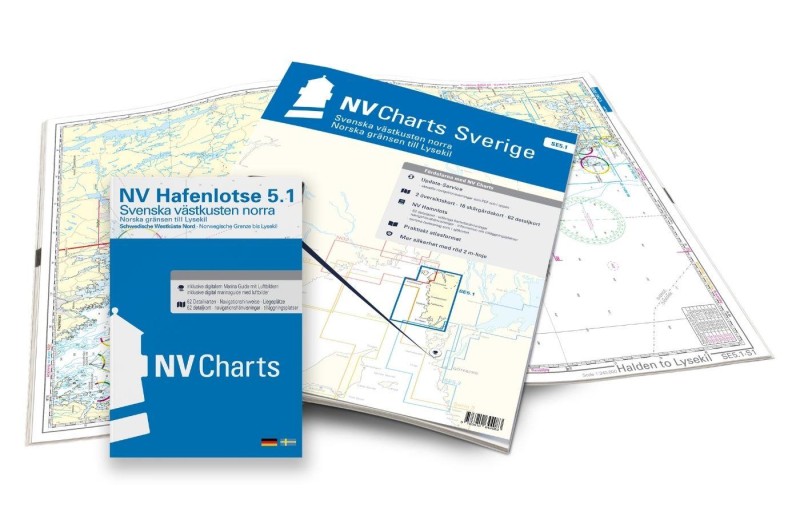 NV Charts Sverige SE 5.1 - Svenska Västkusten Norra NV Verlag / NV Charts69,90 € incl. VAT, excl. Shipping
 -
-
-
-
-
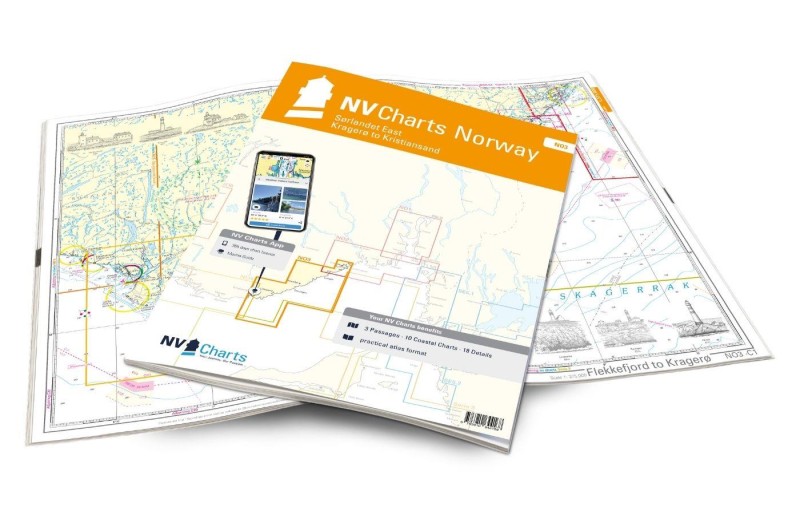 NV Charts Norway NO3 - Sørlandet East - Kragerø to Kristiansand NV Verlag / NV Charts74,99 € incl. VAT, excl. Shipping
 -
-
-
-
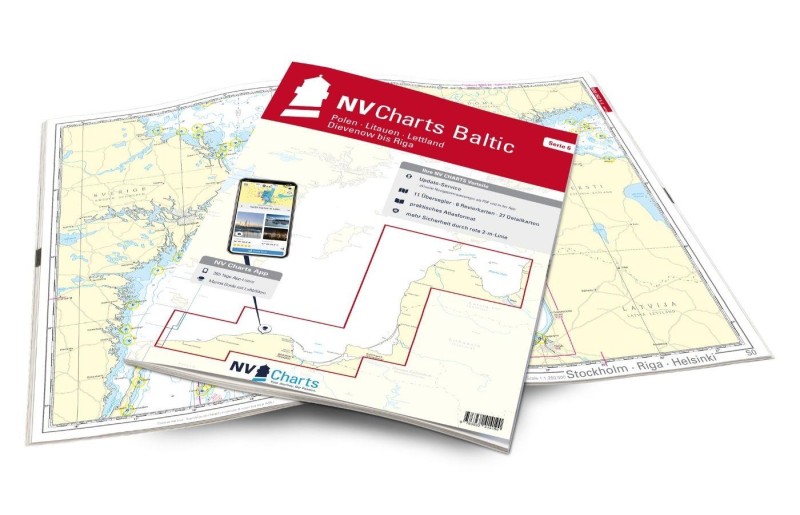 NV Charts Baltic Serie 6 - Polen - Litauen - Lettland NV Verlag / NV Charts94,99 € incl. VAT, excl. Shipping
 -
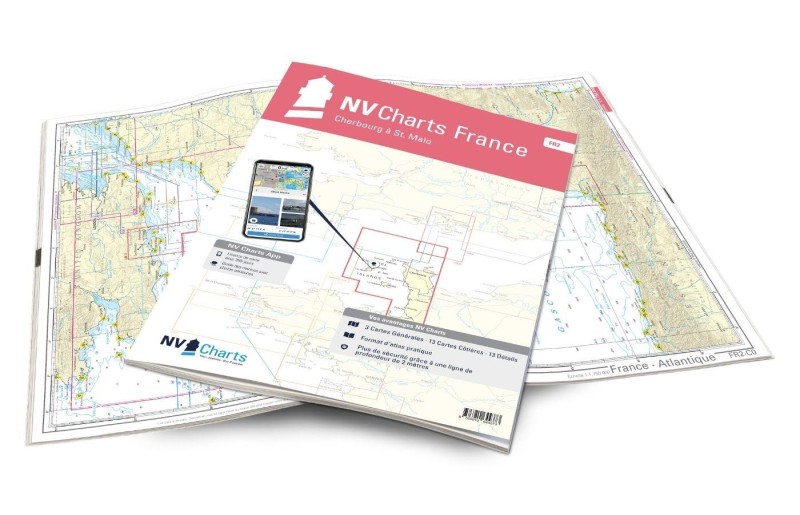
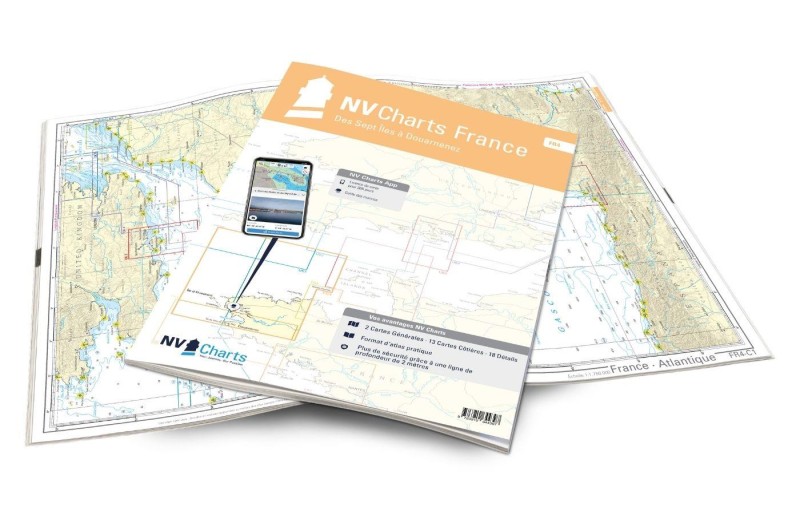 NV Charts France FR4 - Les Sept Isles à Douarnenez NV Verlag / NV Charts64,99 € incl. VAT, excl. Shipping
 -
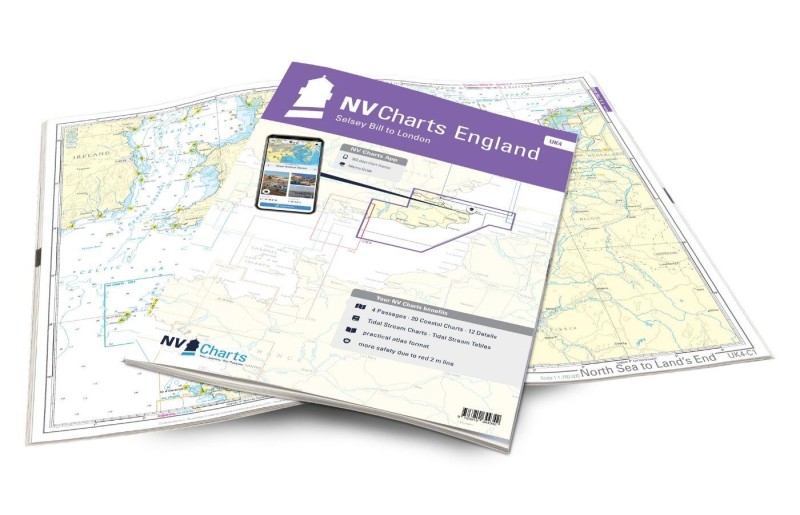 NV Charts England UK4 - Selsey Bill to London NV Verlag / NV Charts64,99 € incl. VAT, excl. Shipping
 -
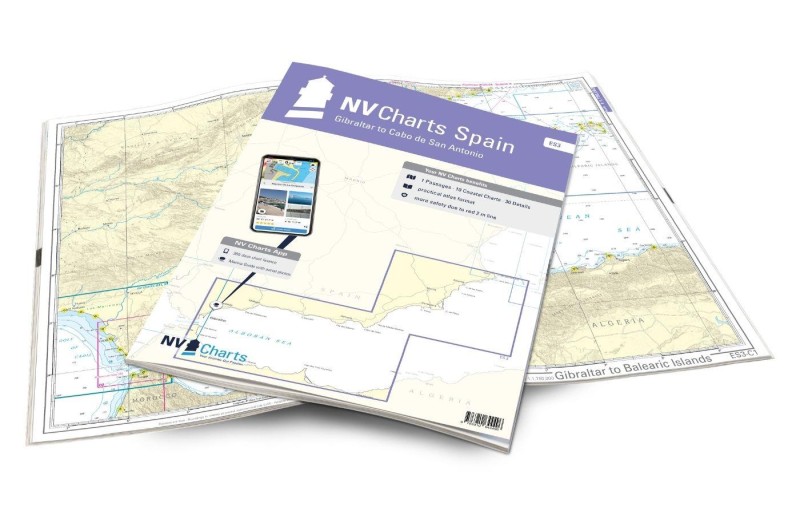 NV Charts Spain ES3 - Gibraltar to Cabo de San Antonio NV Verlag / NV Charts64,99 € incl. VAT, excl. Shipping
 -
-
-
 NV Charts Norway NO4 - Sørlandet West - Kristiansand to Flekkefjord NV Verlag / NV Charts74,99 € incl. VAT, excl. Shipping
 -
 NV Charts France FR6 - Lorient à l`Île de Noirmoutier NV Verlag / NV Charts64,99 € incl. VAT, excl. Shipping
 -
-
 NV Charts France FR3 - St. Malo aux Sept Isles NV Verlag / NV Charts64,99 € incl. VAT, excl. Shipping
 -
-
-
 NV Charts France FR7 - Îles de Noirmoutier à Oléron NV Verlag / NV Charts64,99 € incl. VAT, excl. Shipping
 -
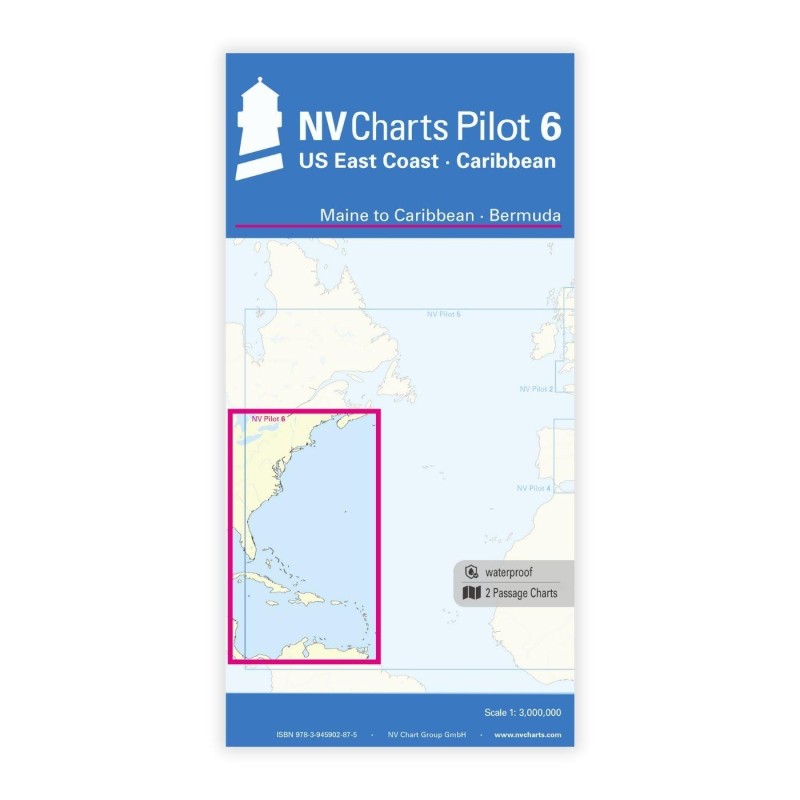 NV Charts Pilot 6 - US East Coast, Maine to Caribbean • Bermuda NV Verlag / NV Charts24,99 € incl. VAT, excl. Shipping
 -
-
 NV Charts Baltic Serie 3 Plano - Samsø-Sund-Kattegat NV Verlag / NV Charts74,99 € incl. VAT, excl. Shipping
 -
 NV Charts Baltic Serie 3 - Samsø - Sund - Kattegat NV Verlag / NV Charts74,99 € incl. VAT, excl. Shipping
 -
-
-
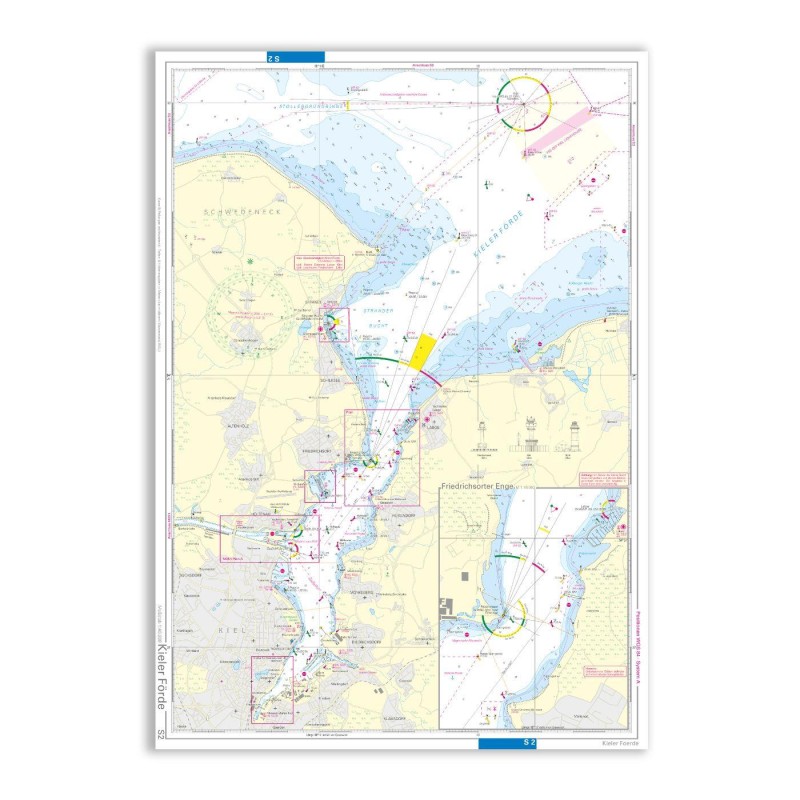 NV Charts Seekarte S2 Kieler Förde, Einzelkarte NV Verlag / NV Charts14,99 € incl. VAT, excl. Shipping
 -
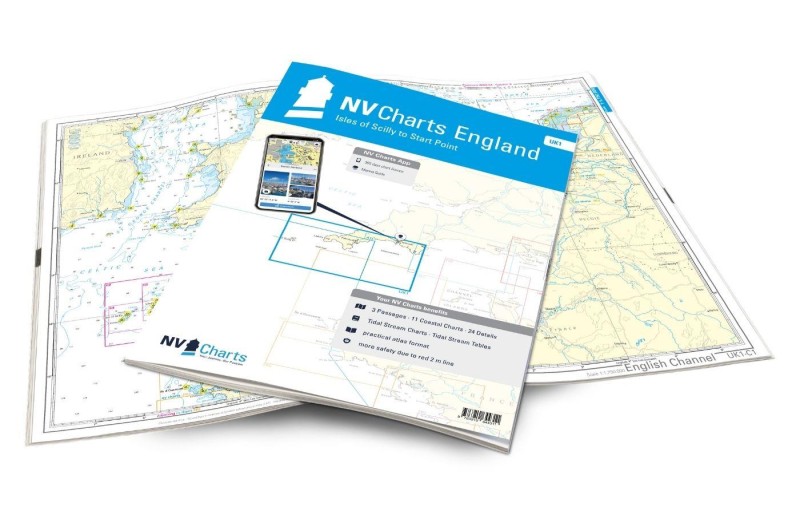 NV Charts England UK1 - Isles of Scilly to Start Point NV Verlag / NV Charts64,99 € incl. VAT, excl. Shipping
 -
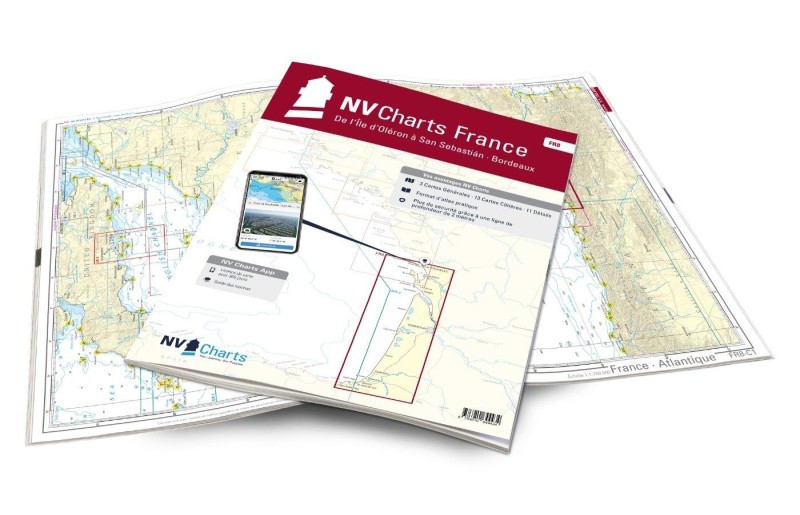 NV Charts France FR8 - Île d'Oléron à San Sebastian NV Verlag / NV Charts64,99 € incl. VAT, excl. Shipping
 -
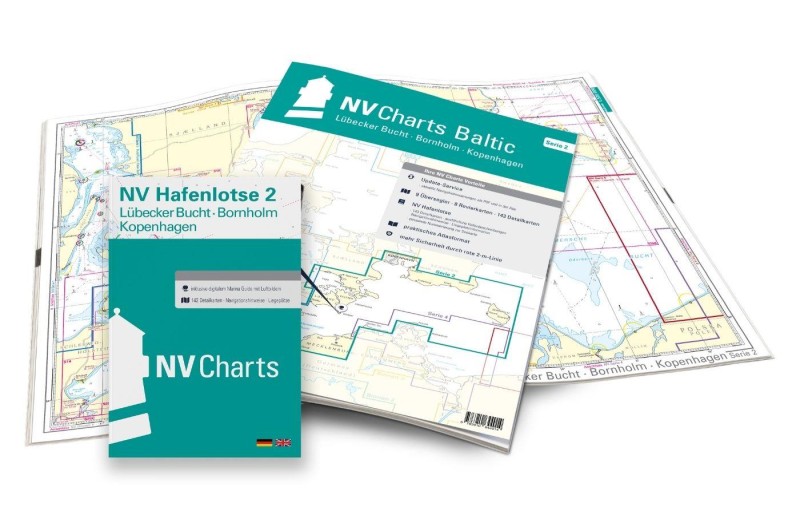 NV Charts Baltic Serie 2 Lübecker Bucht - Bornholm - Kopenhagen NV Verlag / NV Charts94,99 € incl. VAT, excl. Shipping
 -
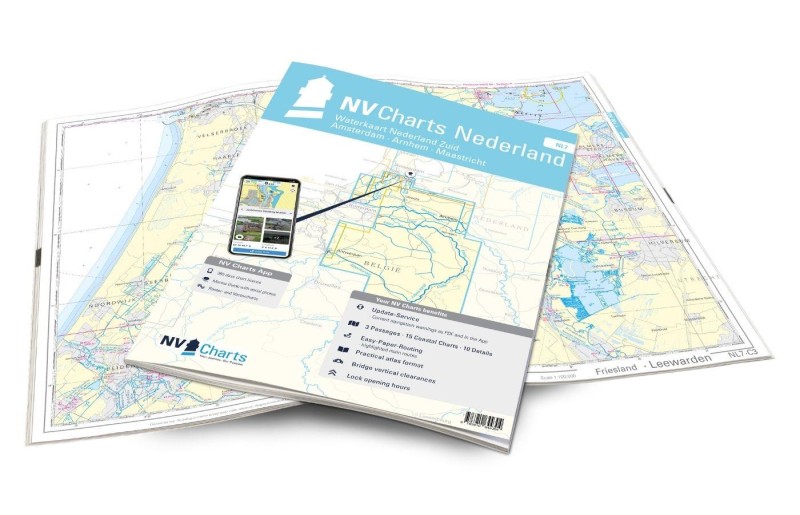 NV Charts Nederland NL7 - Waterkaart Nederland Zuid - Amsterdam - Arnhem - Maastricht NV Verlag / NV Charts64,99 € incl. VAT, excl. Shipping
 -
 NV NV Charts Greece GR2 - Griechenland Kykladen bis Kreta & Athen NV Verlag / NV Charts74,99 € incl. VAT, excl. Shipping
 -
 NV Charts Baltic Serie 2 Plano Lübecker Bucht - Bornholm - Kopenhagen NV Verlag / NV Charts94,99 € incl. VAT, excl. Shipping
 -
-
 NV Charts Atlantic ATL1 - English Channel to Vigo NV Verlag / NV Charts74,99 € incl. VAT, excl. Shipping
 -
 NV Charts Norway NO5 - Sørvestlandet South - Flekkefjord to Stavanger NV Verlag / NV Charts74,99 € incl. VAT, excl. Shipping
 -
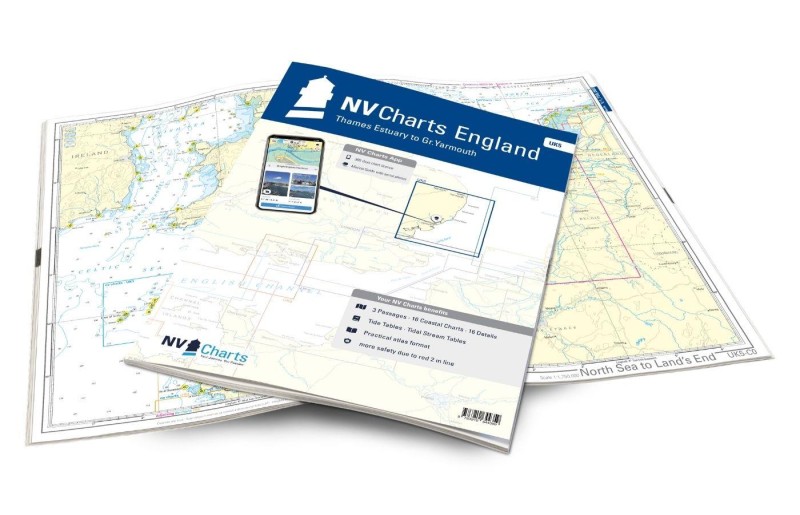 NV Charts England UK5 - Thames Estuary to Great Yarmouth NV Verlag / NV Charts64,99 € incl. VAT, excl. Shipping
 -
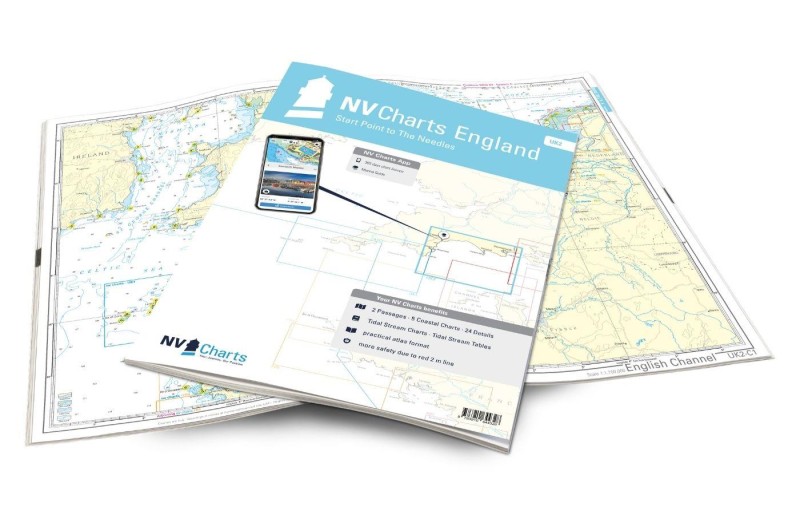 NV Charts England UK2 - Start Point to The Needles NV Verlag / NV Charts64,99 € incl. VAT, excl. Shipping
 -
-
-
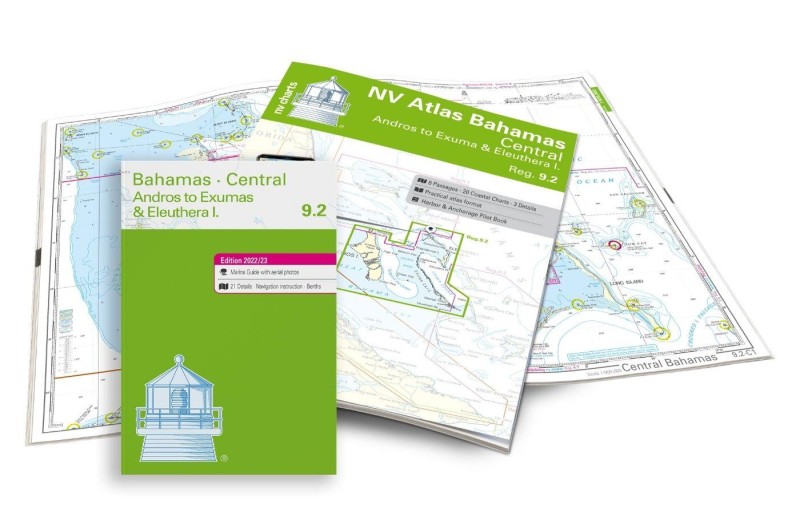 NV Charts Bahamas 9.2 - Central - Andros to Exumas & Eleuthera Islands NV Verlag / NV Charts74,99 € incl. VAT, excl. Shipping
 -
-
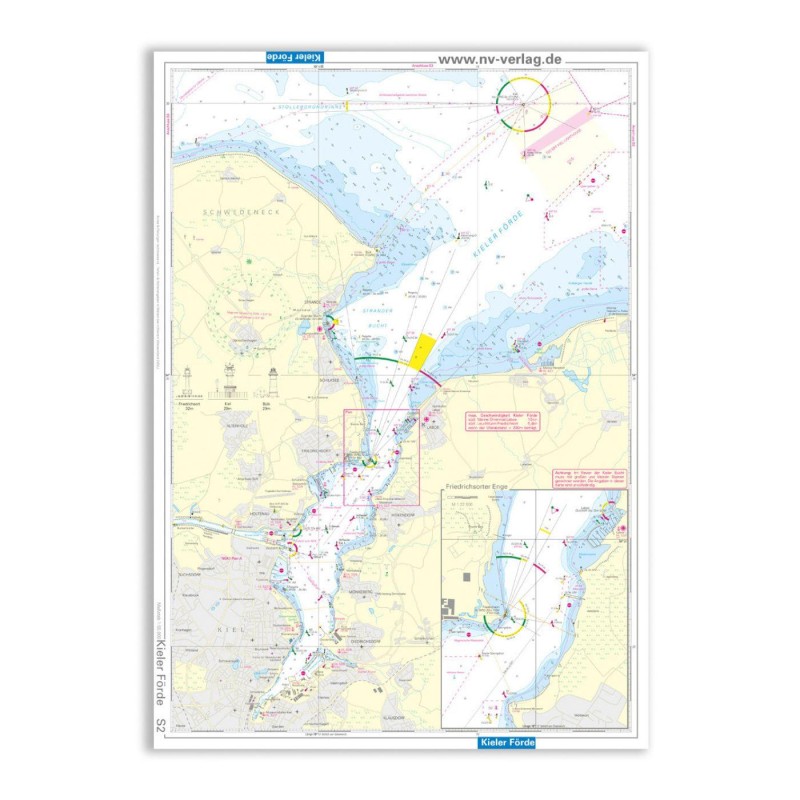 NV Einzelkarte Kieler Förde, Wasserfest / Kunststoff NV Verlag / NV Charts14,99 € incl. VAT, excl. Shipping
 -
-
 NV Charts Bahamas 9.1 - Northwest - Bimini & Berry Islands - Nassau to Abaco - Grand Bahama NV Verlag / NV Charts74,99 € incl. VAT, excl. Shipping
 -
-
 NV Charts Caribbean 11.1 - Puerto Rico - Dominican Republic - Spanish Virgin Islands NV Verlag / NV Charts94,99 € incl. VAT, excl. Shipping
 -
 NV Charts Bahamas 9.3 - Southeast, Cat & Long Island - Rum Cay to Turks & Caicos NV Verlag / NV Charts74,99 € incl. VAT, excl. Shipping
 -
 NV Atlas Norway NO6 - Sørvestlandet North - Stavanger to Haugesund NV Verlag / NV Charts74,99 € incl. VAT, excl. Shipping
 -
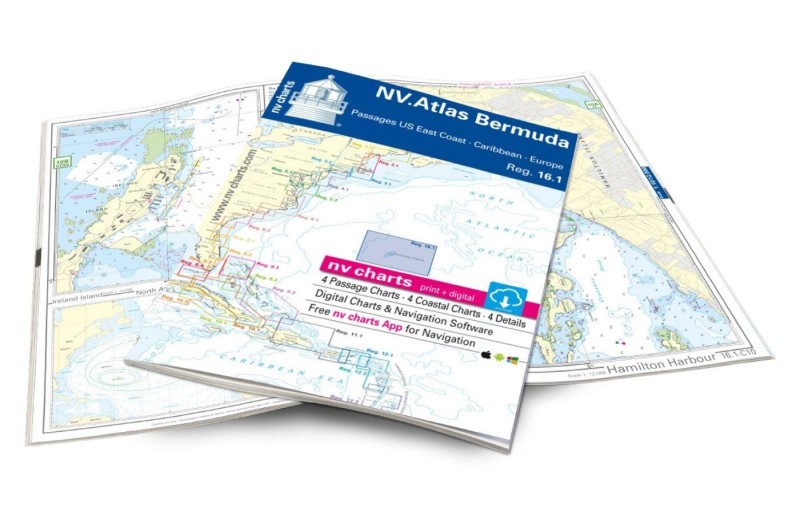 NV Charts Bermuda 16.1 - Passages US East Coast - Caribbean - Europe NV Verlag / NV Charts69,80 € incl. VAT, excl. Shipping
 -
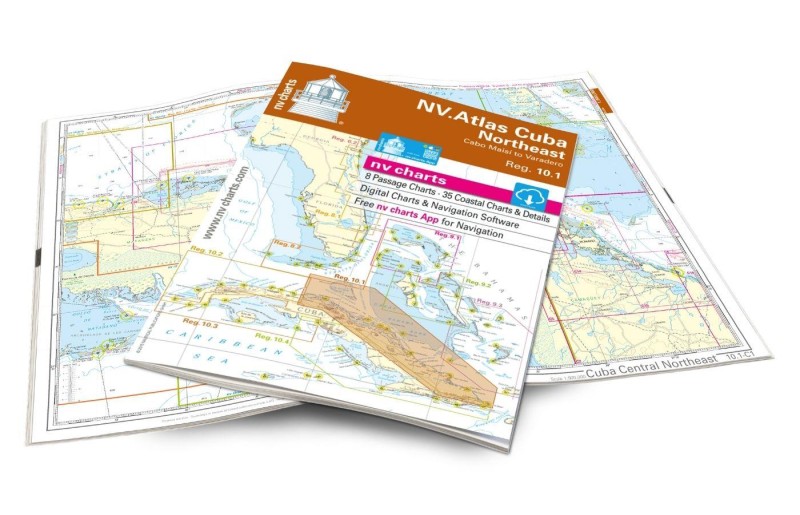 NV Charts Cuba 10.1 - Northeast Cuba, Cabo Maisi to Varadero NV Verlag / NV Charts94,99 € incl. VAT, excl. Shipping
 -
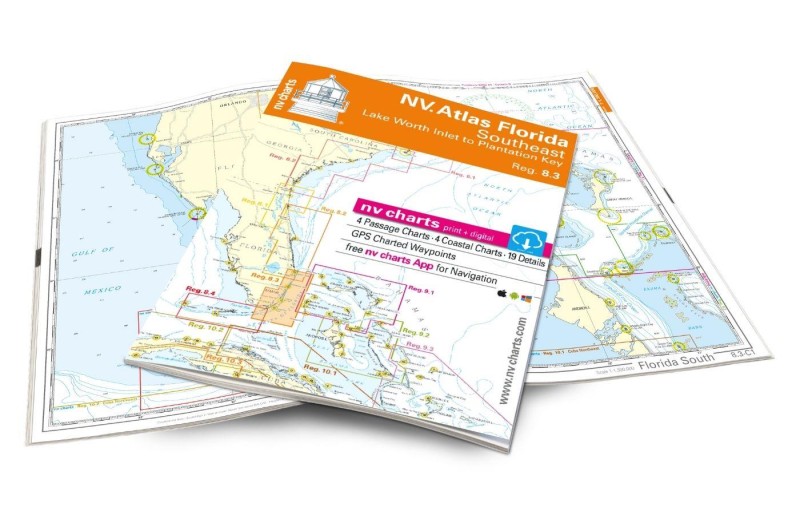 NV Atlas Florida Southeast Reg. 8.3 - Lake Worth Inlet to Plantation Key NV Verlag / NV Charts49,00 € incl. VAT, excl. Shipping
 -
-
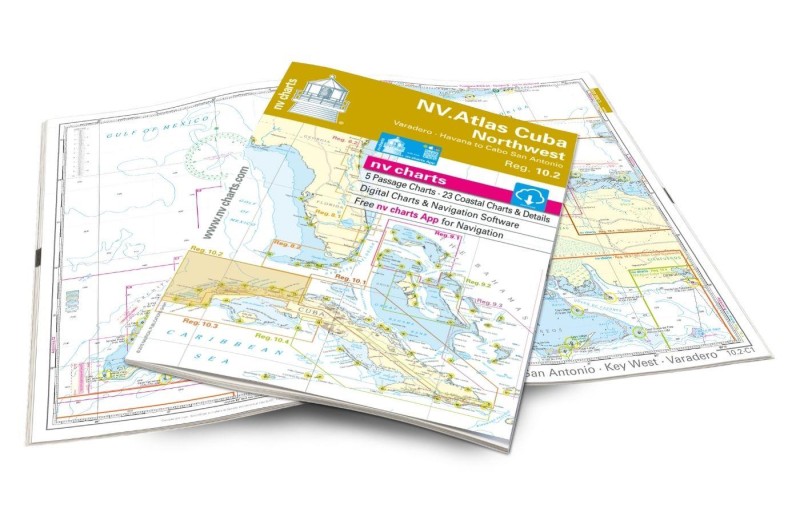 NV Charts Cuba 10.2 - Northwest - Varadero to Cabo San Antonio NV Verlag / NV Charts94,99 € incl. VAT, excl. Shipping
 -
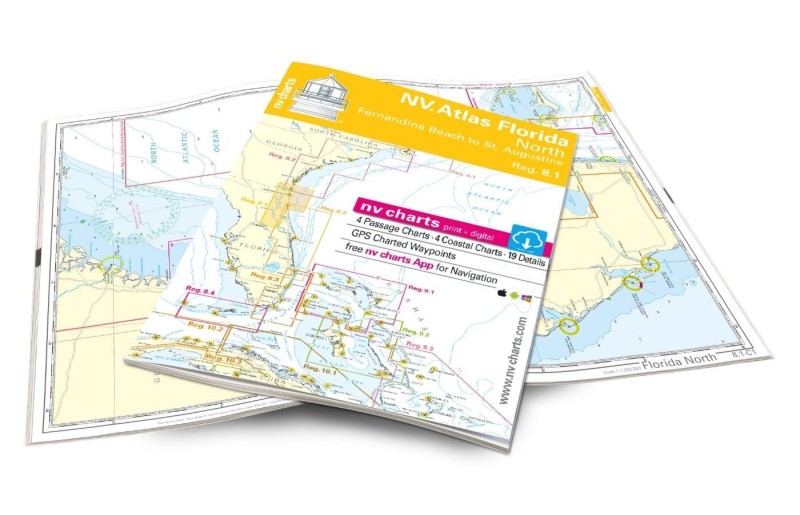 NV Atlas Florida North Reg. 8.1 - Fernandina Beach to St. Augustine NV Verlag / NV Charts49,00 € incl. VAT, excl. Shipping
 -
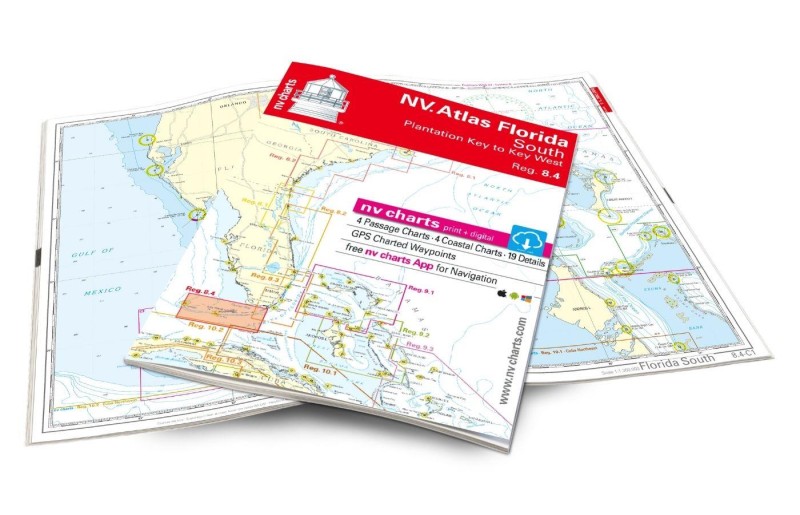 NV Charts Florida 8.4 - South Florida, Plantation Key to Key West NV Verlag / NV Charts49,00 € incl. VAT, excl. Shipping
 -
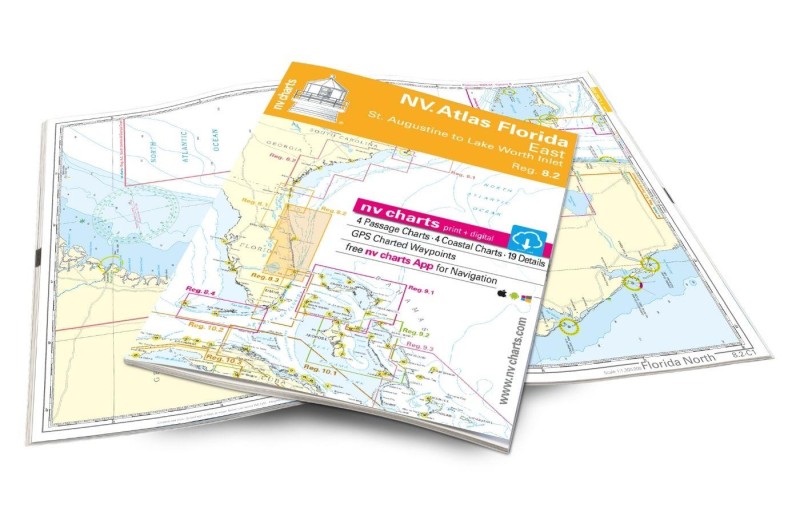 NV Atlas Florida, East Reg. 8.2 - St. Augustine to Lake Worth Inlet NV Verlag / NV Charts49,00 € incl. VAT, excl. Shipping
 -
-
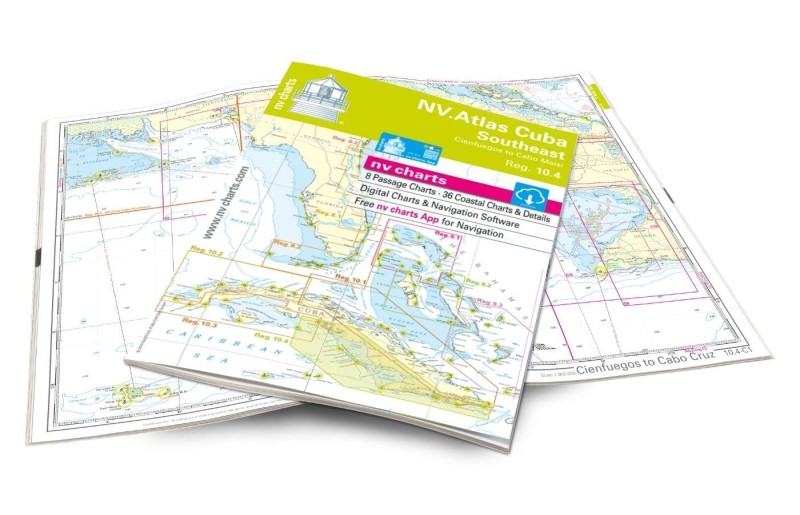 NV Charts Cuba 10.4 - Southeast - Trinidad to Cabo Maisi NV Verlag / NV Charts94,99 € incl. VAT, excl. Shipping

Places nearby

Related Regions
This location is included in the following regions of the BoatView harbour guide:
 WhatsApp
 Facebook
 E-Mail
 Copy
Copy